7 hr
Haleakala Sunset & Dinner Experience
- Expert local guide
- Small group
- Skip-the-line access
- Free cancellation
Haleakala Sunset Tour — Summit Viewing & Stargazing
Above the clouds at 10,023 feet, where alpenglow turns volcanic rock rose and gold
Compare fares, pick the fit — all bookings are mobile-voucher and eligible for free cancellation where shown.
7 hr
5 hr
7 hr
| Experience | Duration | Rating | Pickup | Skip-the-line | Guide | Small group | Price | |
|---|---|---|---|---|---|---|---|---|
|
Guided Experience
Most popular
Haleakala Sunset & Dinner Experience
|
7 hr | ★ 4.2 | ✓ | ✓ | ✓ | ✓ | €208 | Book → |
|
Guided Experience
Haleakalā Sunset Small-Group Tour with Snacks & Photos
|
5 hr | ★ 4.4 | ✓ | ✓ | ✓ | ✓ | €195 | Book → |
|
Guided Experience
Haleakalā Summit Sunset & Upcountry Maui Tour
|
7 hr | ★ 2.2 | ✓ | ✓ | ✓ | ✓ | €202 | Book → |
Worth it if you want guided expertise
A haleakala sunset tour typically costs $150–$250 per person and includes round-trip transport, a guide, and dinner or snacks. Compare that to the $30 park entrance fee if you drive yourself—your vehicle pass covers three days in both districts. The math favors DIY for budget travelers, but guided tours handle the winding 38-mile summit road, share cultural context about the volcano's geology and Hawaiian legends, and guarantee you a spot during peak-season capacity closures. If you're uncomfortable driving steep switchbacks in the dark or want narration about Haleakalā Crater formation and native silversword plants, the premium pays off. Solo travelers and families with young kids gain the most convenience. Confident drivers with time to research viewpoints can skip the haleakala sunset tour tours and pocket the savings, arriving before 16:00 to secure entry and claim a parking spot at the Pu'u'ula'ula summit overlook.
Bottom line: Book haleakala sunset tour tickets if convenience and context outweigh the cost premium; drive yourself if you're budget-focused and route-confident.
Choosing between these times depends on your preference for sleep; the Haleakala sunset tour is far more accessible for those who prefer a normal schedule, while sunrise enthusiasts prioritize the morning sky over rest. Both Maui summit landmarks offer distinct atmospheric shifts above the cloud layer.
|
Top pick Haleakala Sunset Tour |
Haleakala Sunrise Tour | |
|---|---|---|
| Sleep Schedule Impact | No disruption | Requires 2:00 AM wake-up |
| Crowd Density | Moderate | High |
| Reservation Requirements | Park entry/standard fees | Sunrise-specific reservations required |
| View Quality | Golden hour glow | First light and dawn colors |
| Temperature Conditions | Cooling evening air | Near-freezing pre-dawn cold |
| See tickets & prices |
Verdict: Securing haleakala sunset tour tickets provides a relaxed experience compared to the rigorous logistics of a sunrise tour.
Hand-picked experiences loved by thousands of travelers
1 hour 15 minutes
Free Cancellation
Trek alongside gentle llamas at 3,500 feet elevation as golden hour transforms Maui's upcountry landscape
12 hours
Free Cancellation
Journey from volcanic peaks to lush valleys, with island cuisine and craft spirits along the way
9 hours
Free Cancellation
Watch dawn break from above the clouds at a volcanic summit over 10,000 feet high on Maui's iconic mountain.
7 hours
Free Cancellation
Trek across two elevations of a dormant volcano, exploring otherworldly landscapes and native flora
8 hours
Free Cancellation
Watch dawn break above the clouds from Maui's highest summit, then fuel up with island flavors
45 minutes
Free Cancellation
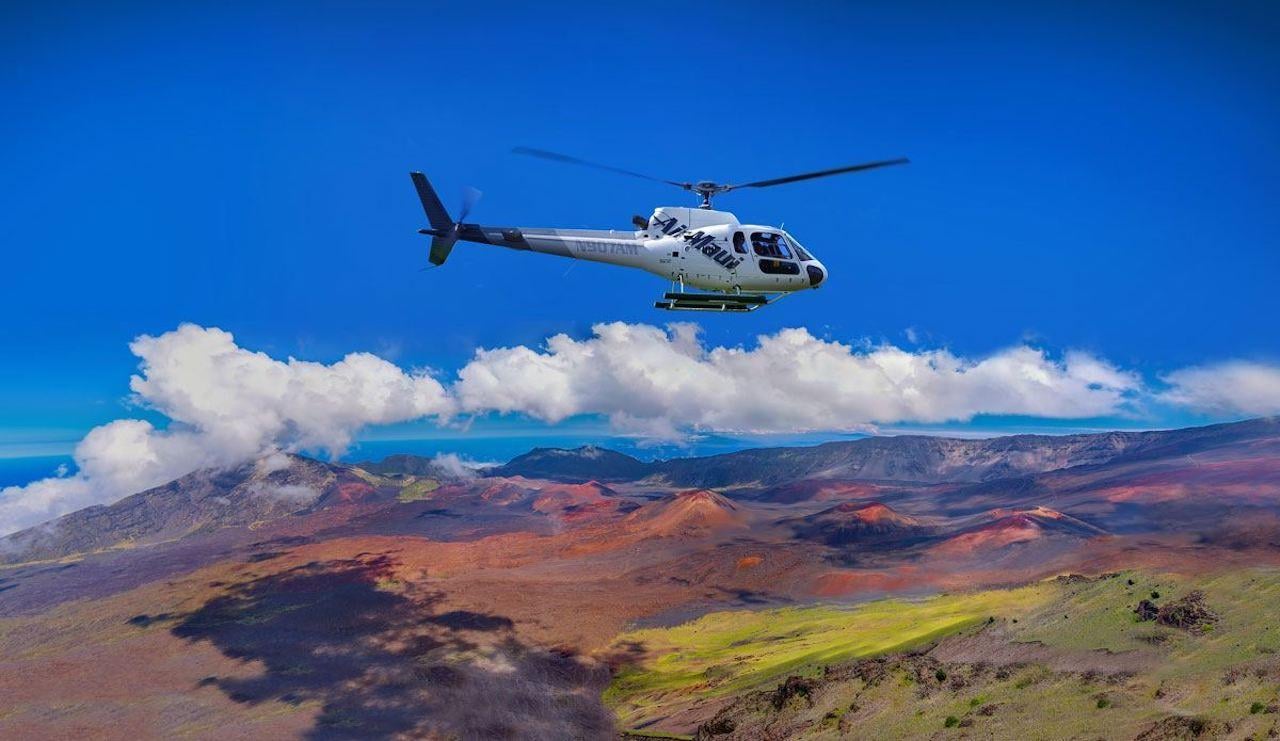
Soar above Maui's dormant volcano summit and lush tropical valleys on this breathtaking aerial journey.
9 hours
Free Cancellation
Watch dawn break from a 10,000-foot volcanic summit and discover the sacred stories of this Hawaiian landmark
5 hours
Free Cancellation
Cycle down Haleakala's legendary switchbacks through ranch land and charming upcountry towns on premium mountain bikes
You leave Kahului before three, the highway climbing through sugarcane fields and upcountry pastures. At 6,000 feet, eucalyptus gives way to scrub, and by 8,000 feet, you're above the clouds—sunlight harsh, air thin, the Pacific a blue arc far below.
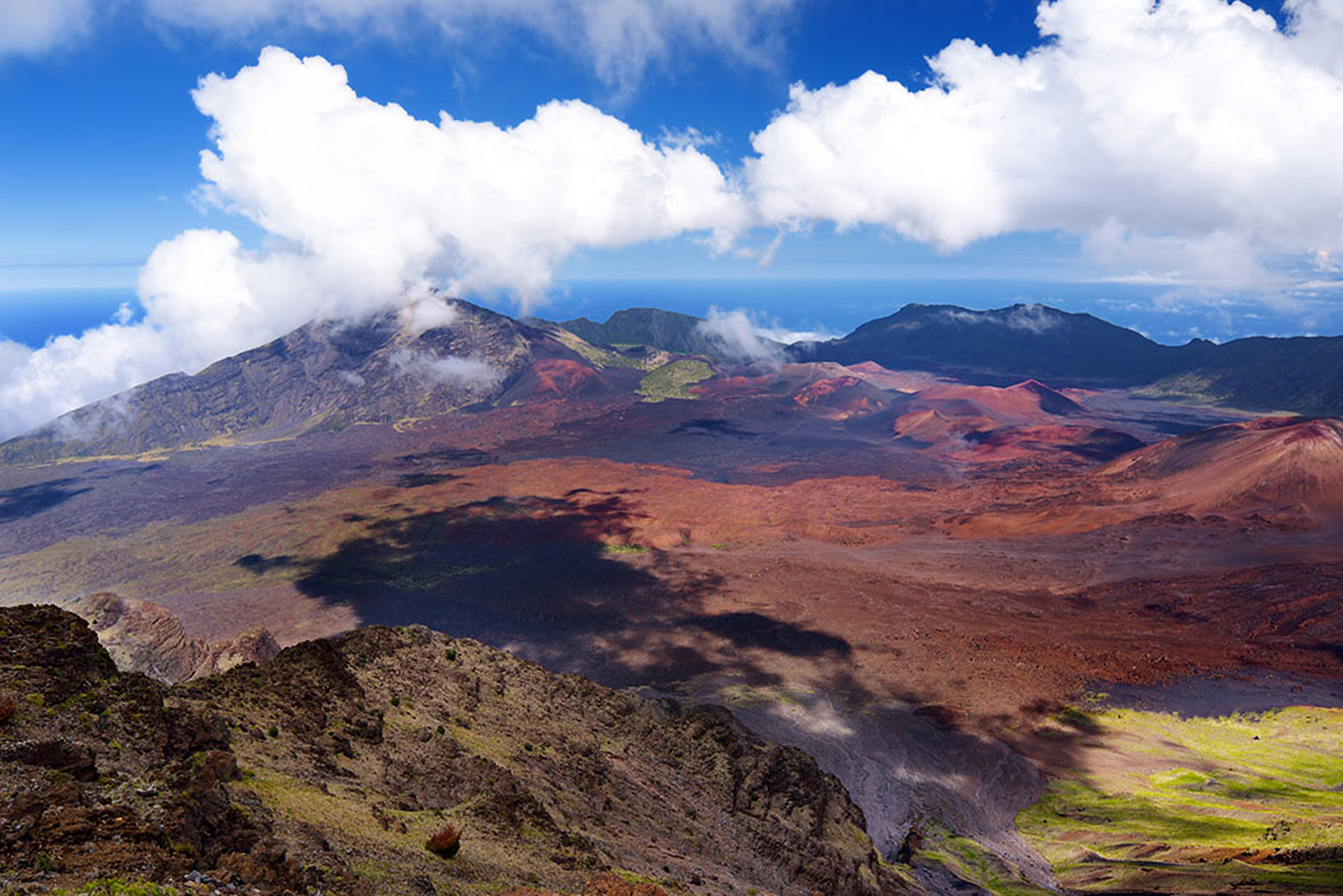
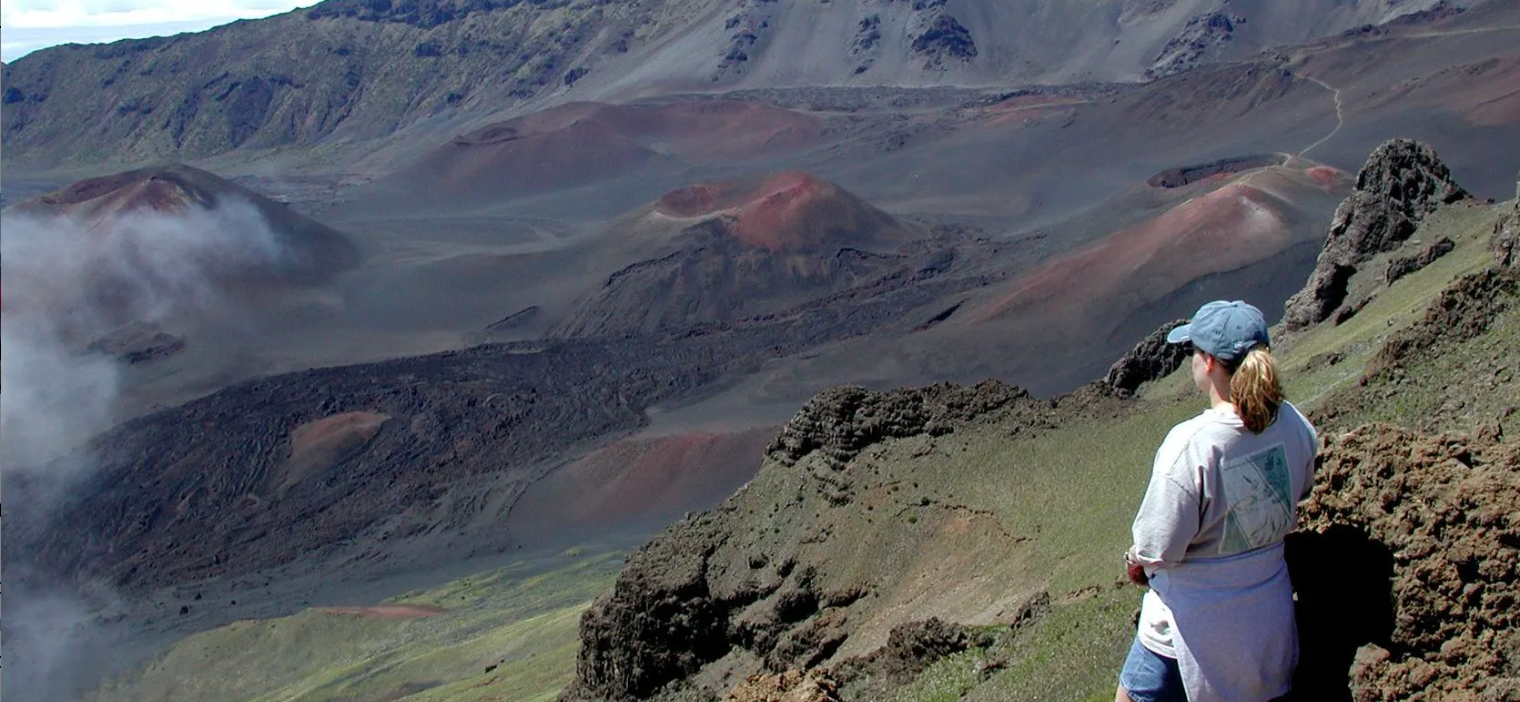
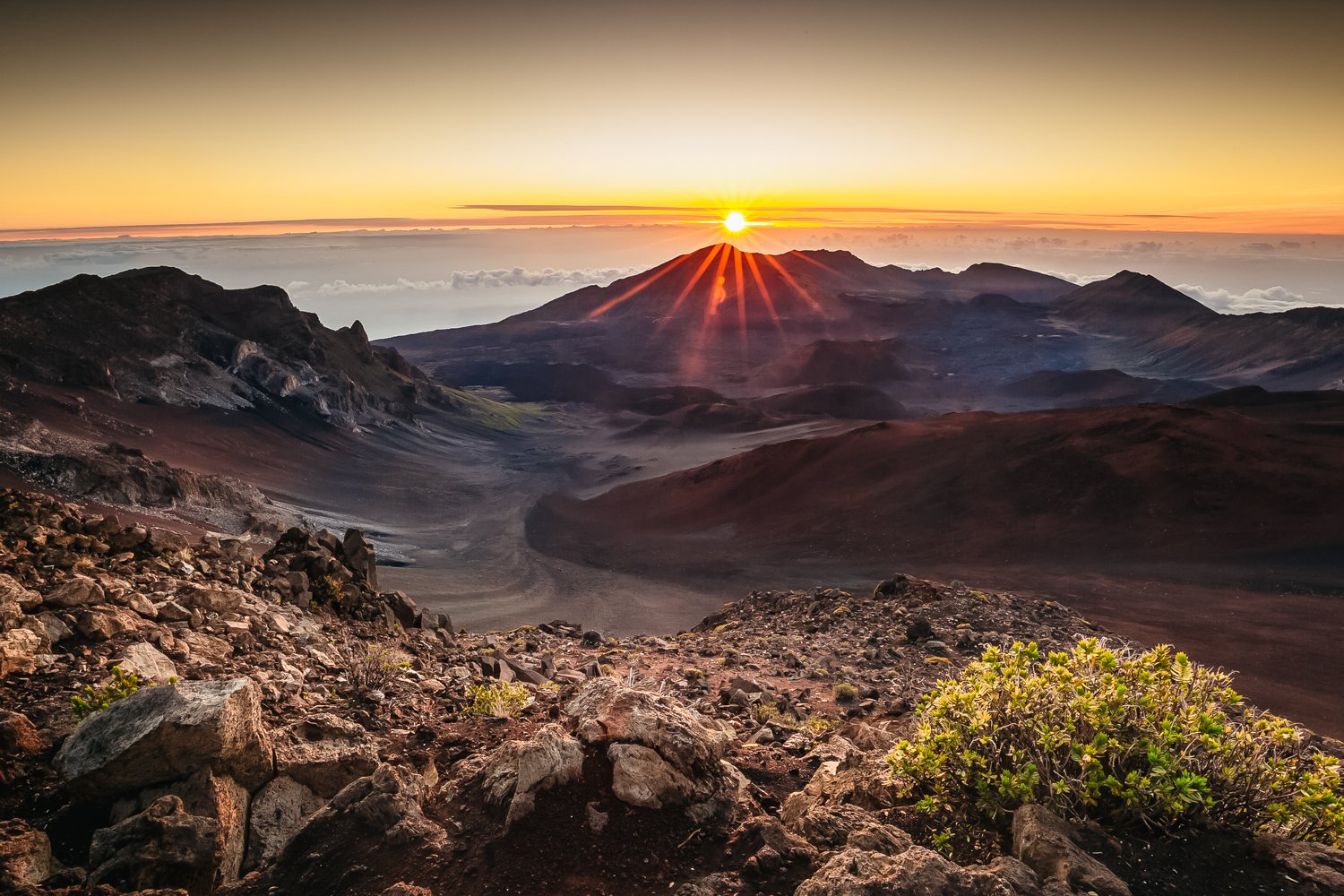
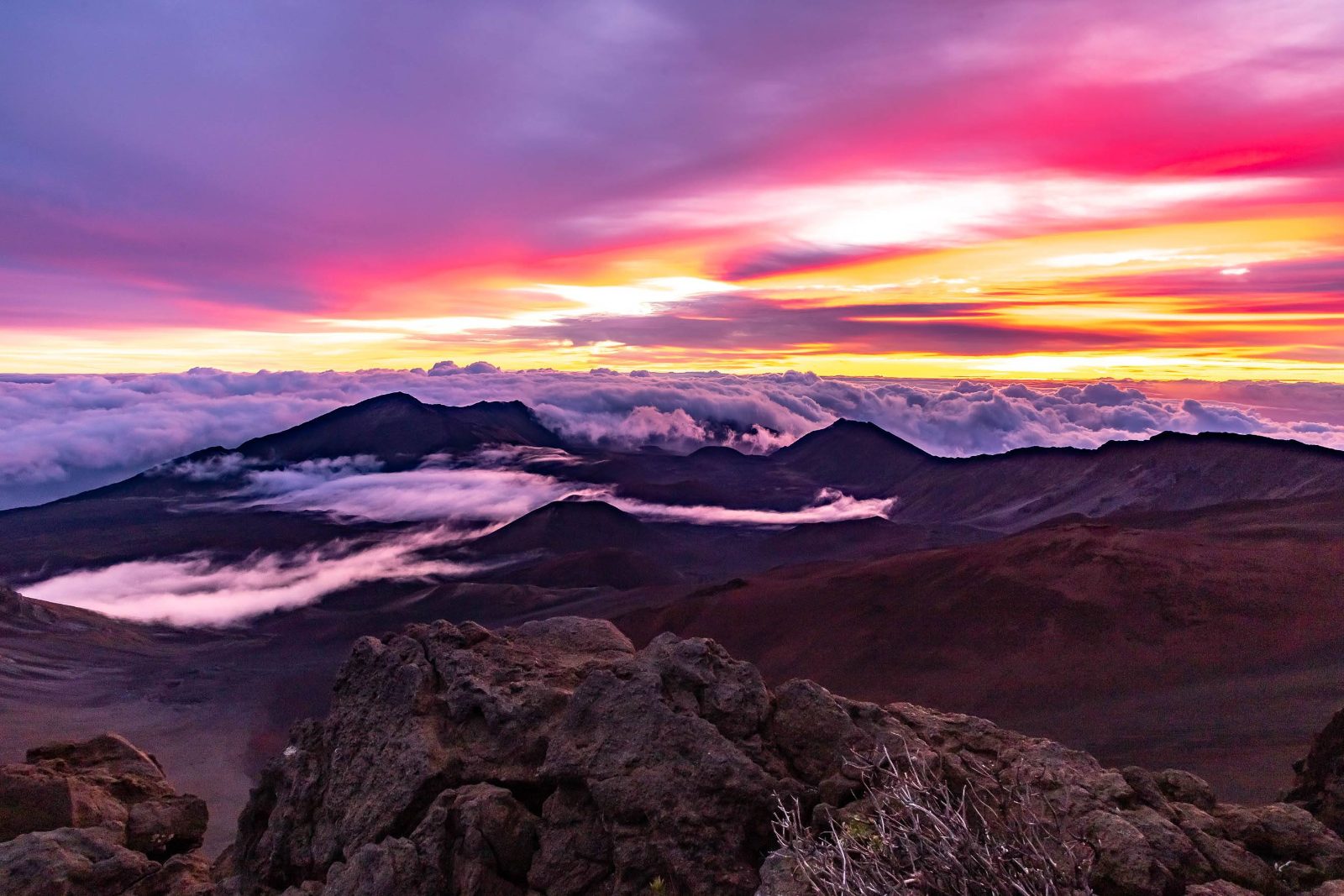
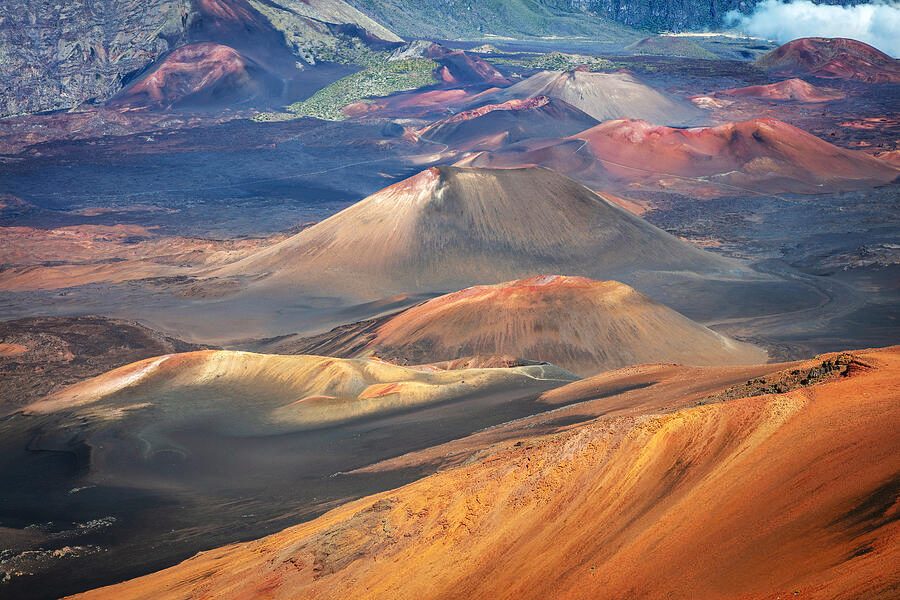
You arrive at the summit parking area ninety minutes before sunset, time to walk the paved path to the Pu'u'ula'ula overlook. The crater spreads before you: a seven-mile depression of rust and grey, cinder cones rising from the floor like frozen waves. You pull on a fleece; the wind cuts through cotton.
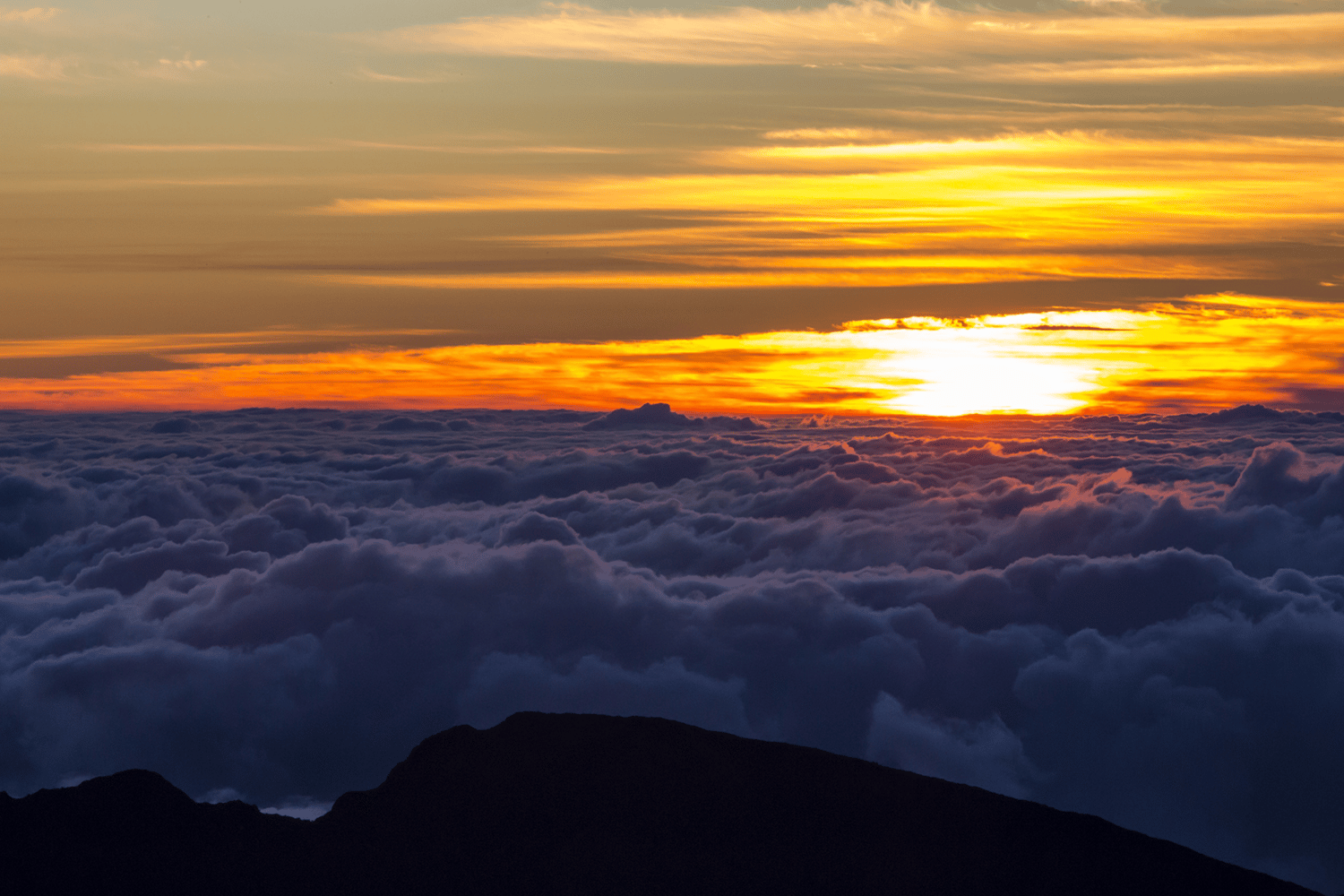
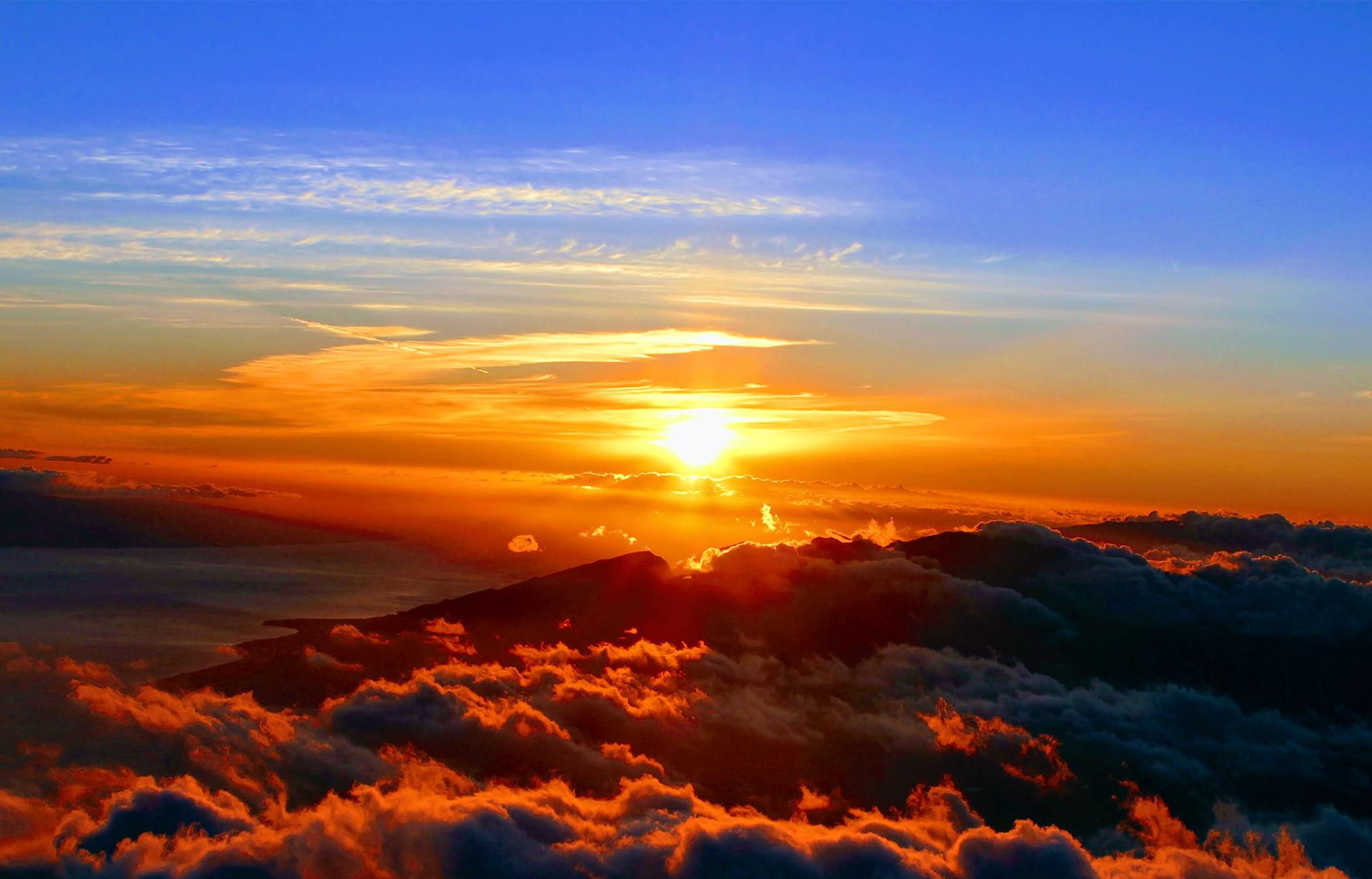
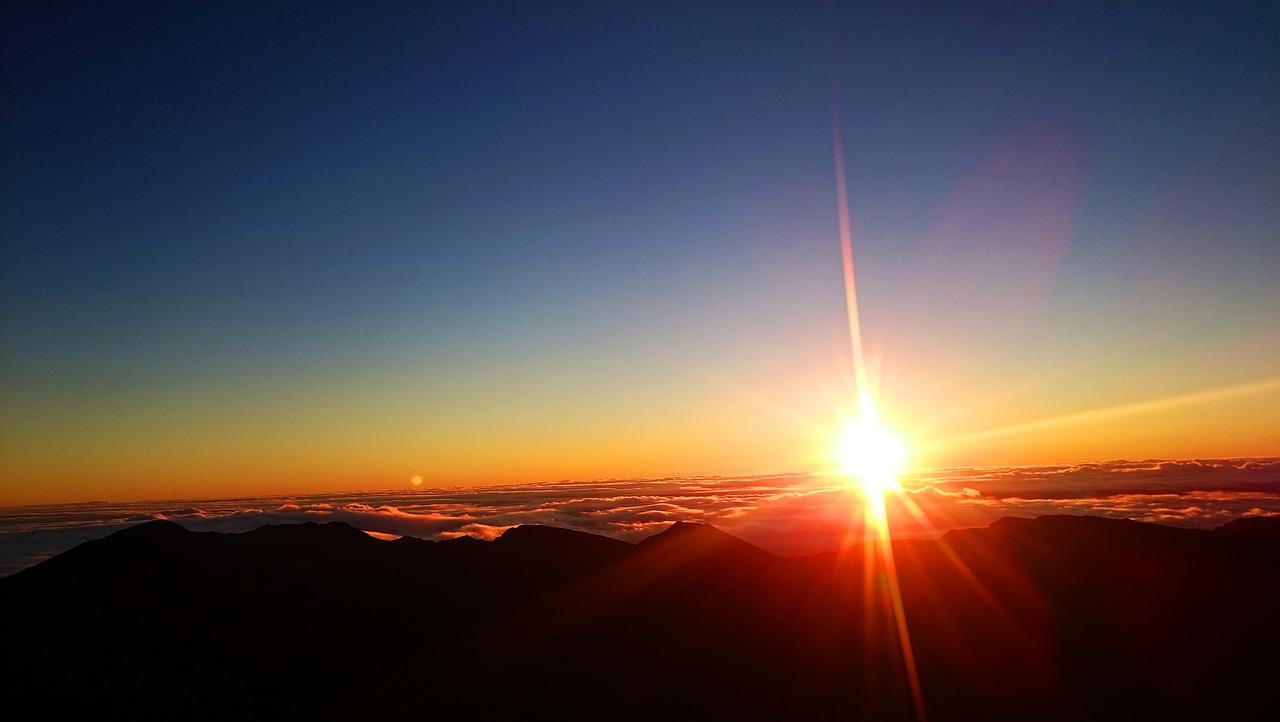
At 6:47 p.m., the sun touches the horizon. You watch it sink—no obstruction, no haze—and the moment it disappears, the sky ignites. Rose, coral, violet wash across the western quadrant. The crater walls glow. Other visitors fall silent. The colour peaks, holds for eight minutes, then fades to indigo. Stars emerge—Sirius, the Southern Cross—and you realize how dark true dark is. Your guide points out the Milky Way's core, visible without a telescope. You descend slowly, headlights threading switchbacks, the warmth of the van a relief after thirty minutes at 10,023 feet.
All the details about your upcoming adventure in one place
A haleakala sunset tour takes you to the summit of Maui's dormant volcano, where you'll witness the sun descend over the cloud-filled crater from 10,023 feet elevation. These haleakala sunset tour tours typically include round-trip transportation from your hotel and warm jacket rentals for the cooler summit temperatures. Your guide shares insights about the volcanic caldera, native silversword plants, and the cultural significance of this sacred Hawaiian site.
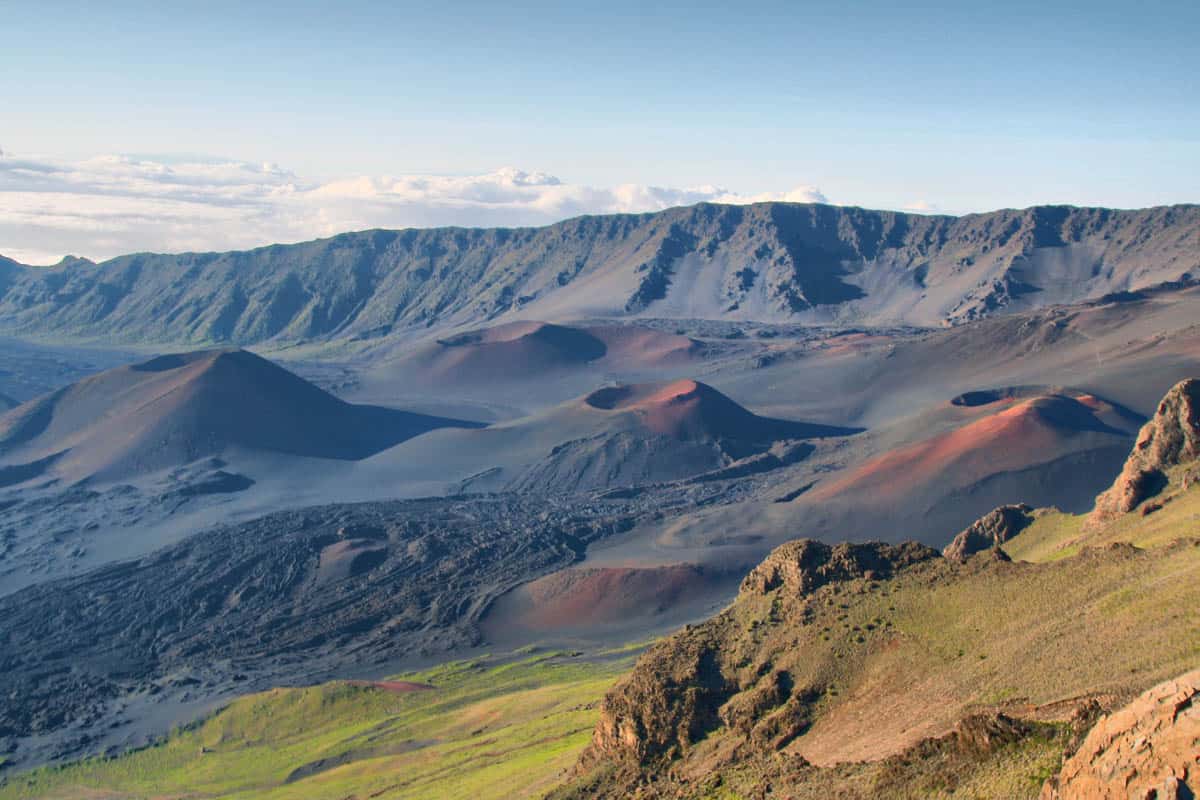
Haleakalā—House of the Sun—rises 10,023 feet above the Pacific, its summit crater spanning seven miles and holding volcanic cinder cones formed over 900 years of eruptions.
Native Hawaiians considered the peak wao akua, the realm of gods, and oral histories recount how the demigod Māui snared the sun here to lengthen the day. The modern park, established in 1916 and separated from Hawaii Volcanoes in 1961, protects 33,265 acres across two districts: the Summit and the coastal Kīpahulu. The Haleakalā silversword—'āhinahina—grows nowhere else on Earth, its silver rosette surviving alpine freezes and equatorial sun for up to fifty years before blooming once and dying.
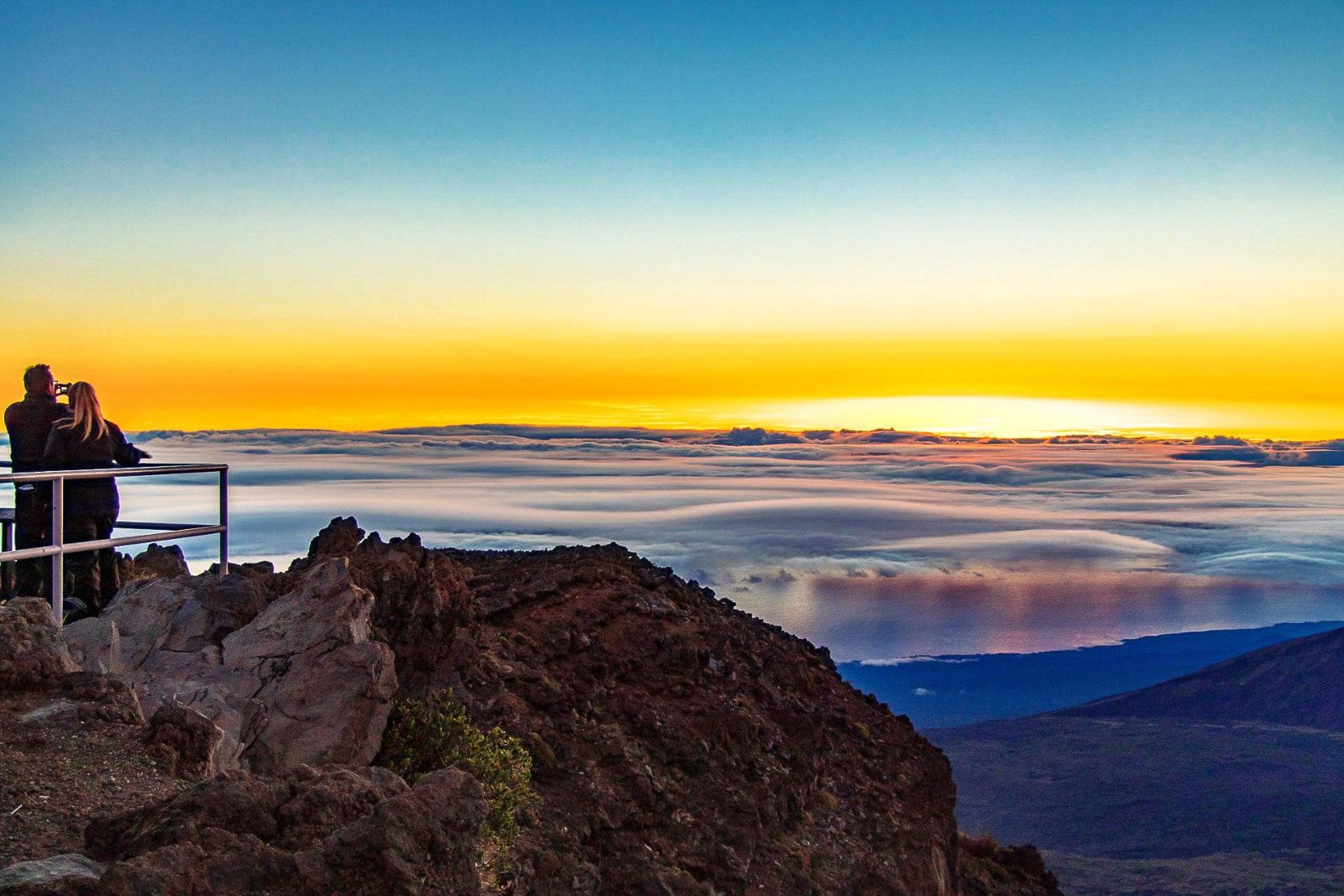
Sunset from the summit offers a phenomenon few volcanic peaks replicate. Visitors stand above the inversion layer, the cloud deck stretched below like an ocean, and watch the sun drop into the Pacific sixty miles west. The alpenglow that follows—refracted light turning cinder red and crater walls rose—lasts fifteen minutes, the colour intensity amplified by the thin atmosphere and lack of competing light. On clear evenings, Mauna Kea and Mauna Loa appear as silhouettes across the 'Alenuihāhā Channel. The Haleakala sunset tour has become Maui's most reserved park experience, with vehicle capacity managed to preserve the fragile subalpine ecosystem and visitor safety on the narrow switchback road.
The park's elevation creates rapid weather shifts. Summit temperatures drop to forty degrees Fahrenheit after dark, and trade winds accelerate through saddle gaps. Haleakala sunset tour reviews consistently note the cold and recommend layered clothing. The National Park Service issues sunset reservations separately from general entry; each vehicle needs both the three-day entrance pass and a timed sunset slot. Tour operators bundle transportation, narration, and often stargazing extensions, eliminating the stress of the two-hour ascent and parking competition. Private haleakala sunset tour options allow custom timing and crater rim access beyond the main overlook.
The summit road, completed in 1935, climbs 36 miles from sea level, crossing five ecological zones—from coastal shrubland to alpine stone desert. Botanical surveys have catalogued 37 endemic plant species within the park boundary. Nēnē, the Hawaiian goose, nests in the crater and often approaches visitors at the summit parking area. The Park Service prohibits drone flights and off-trail hiking to protect both nesting sites and the delicate lichen crusts that anchor soil on the slopes. Evening closure protocols begin at dusk, with rangers clearing the summit by dark unless visitors hold stargazing permits for the Science City access road.

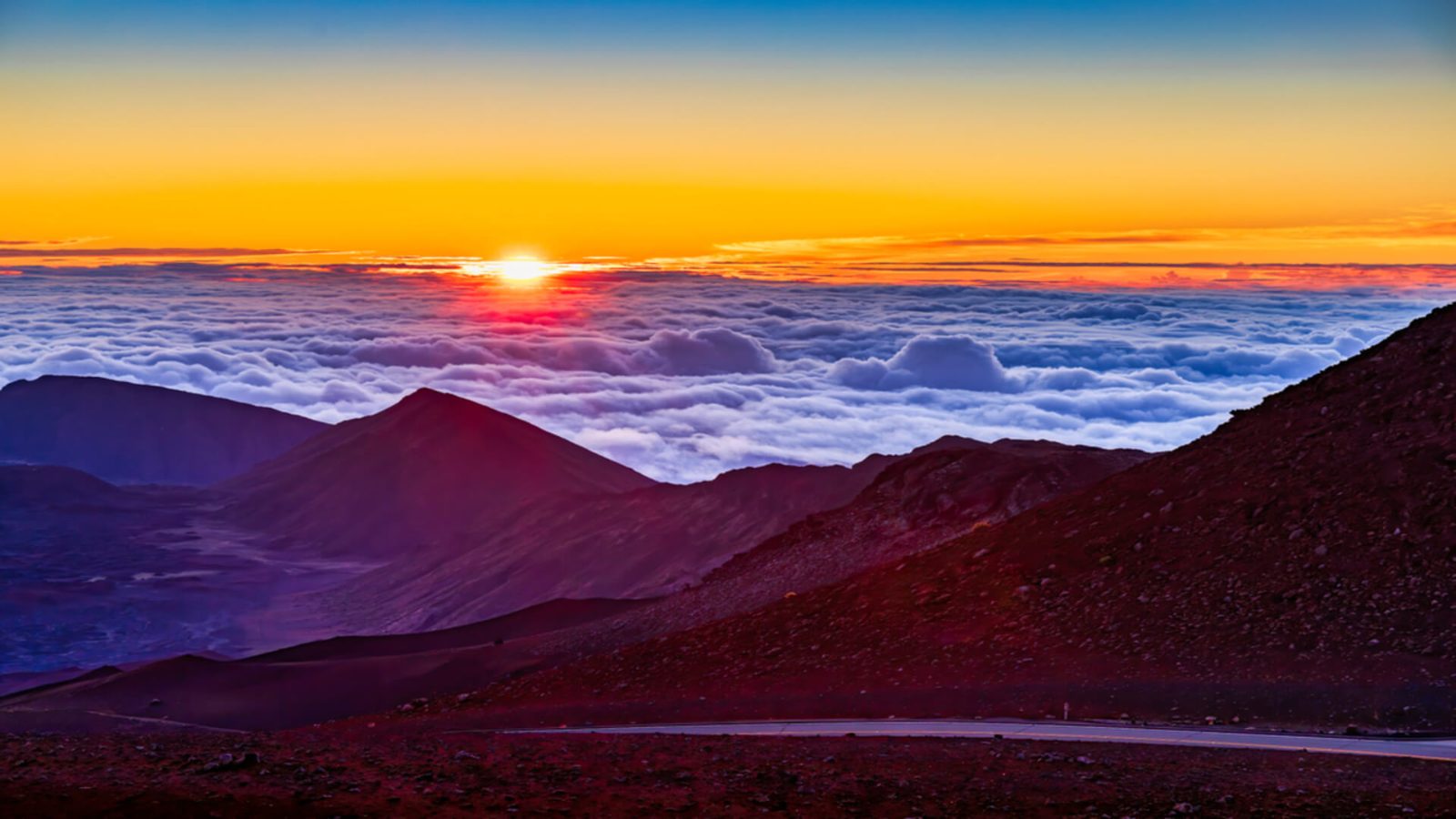
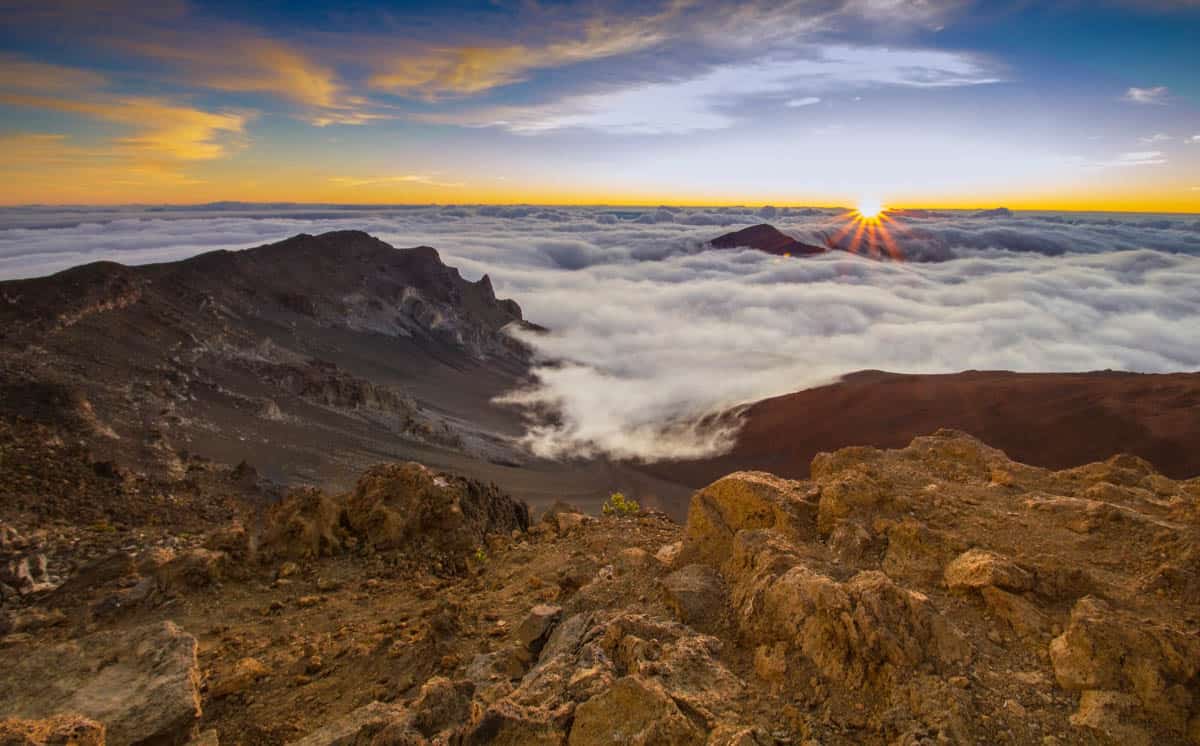
Above the inversion layer, the cloud deck stretches below like an ocean, and alpenglow turns cinder red and crater walls rose.
Dress in multiple warm layers, including a windbreaker, hat, and gloves, as summit temperatures often drop 30–50°F lower than the coast. Avoid thin beachwear during your haleakala sunset tour to prevent discomfort from extreme wind chill.
No specific bag restrictions apply, but keep gear compact as parking areas are limited. Secure all personal belongings inside your vehicle during your haleakala sunset tour to avoid disrupting the local volcanic environment.
Capture the crater landscape from designated paved overlooks only. Using a tripod is permitted, provided it does not obstruct pathways or traffic flow during your haleakala sunset tour.
The Pa Kaʻoao Trail provides an accessible, short path ideal for families with young children. Ensure children remain on paved walkways throughout your haleakala sunset tour to protect delicate high-altitude flora.
Major visitor centers and the Haleakalā Visitor Center offer wheelchair-accessible facilities. Contact the park for specific guidance on trail gradients before booking your haleakala sunset tour.
There are no food or drink concessions available inside the park. Pack sufficient water and snacks before heading out on your haleakala sunset tour.
Opening Hours
24 hours daily
Address
Haleakalā National Park, Kula, HI 96790
Accessibility
Accessible visitor centers and select viewpoints available
Best Arrival
00:00–16:00
Storage
None available at the summit
Navigation
Follow Haleakalā Highway (Route 378) to the summit
Most professional haleakala sunset tour operators offer full refunds if cancelled at least 24-48 hours in advance. Entrance fees of 30 USD remain non-refundable through the National Park Service if paid directly at the gate.
Recommended time
4-5 hours
Planning your haleakala sunset tour effectively requires arriving well before the evening rush to secure parking at the summit observation deck. By following the best arrival window of 00:00–16:00, you ensure park entry before potential capacity-based gate closures occur. This duration provides enough time to explore volcanic craters and observe the transition of light across the landscape before haleakala sunset tour tours commence their peak operations. Those seeking haleakala sunset tour tickets or specialized haleakala sunset tour tour options should prioritize early afternoon entry to account for the slow transit through the alpine environment.
Crowd levels through the day
Haleakalā, meaning House of the Sun, owes its name to the Hawaiian demigod Māui, who according to legend lassoed the sun from the summit to slow its journey across the sky. Native Hawaiians considered the crater a wahi pana, a sacred landscape where ancestors built ahu stone platforms and accessed Lake Waiau for ceremony. The volcano last erupted between 1480 and 1600, shaping the cinder cones and lava flows visible on a haleakala sunset tour today. In 1790, French explorer Jean-François de Galaup documented the summit's stark beauty, but Western attention remained sporadic until the 1890s, when cattle ranchers grazed livestock on the slopes, eroding native vegetation and threatening the silversword, an endemic plant found nowhere else on Earth. In 1916, the summit district became part of Hawaii National Park, later split to form Haleakalā National Park in 1961. Park status halted ranching and allowed silversword populations to recover from fewer than 4,000 plants to over 60,000 by the 1990s. The Civilian Conservation Corps constructed the first motor road to the summit in 1935, transforming access for haleakala sunset tour tours and enabling the 1956 installation of a scientific observatory. By the 1970s, daily visitor numbers strained infrastructure, prompting the National Park Service to impose the current reservation system in 2017 for sunrise viewing, though sunset visits remain unrestricted with standard admission. Ecological management continues to balance public access with protection of the nēnē goose and the ʻāhinahina silversword, species that survived volcanic isolation for millennia but now depend on active stewardship to endure the pressures of modern tourism.
Haleakalā's most recent eruption creates the cinder cones and lava fields seen by visitors today.
French explorer Jean-François de Galaup becomes one of the first Europeans to document the summit landscape.
Cattle ranching on the slopes brings silversword plants to the brink of local extinction.
The summit district joins Hawaii National Park, ending commercial grazing and beginning habitat restoration.
The Civilian Conservation Corps completes the first vehicle road to the 10,023-foot summit.
Haleakalā separates from Hawaii Volcanoes to become an independent national park.
The National Park Service introduces a sunrise reservation system to manage daily visitor capacity at the summit.
Stand at the highest point to capture the expansive volcanic crater and cinder cones as shadows lengthen. This vantage point is central to any professional haleakala sunset tour photography session.
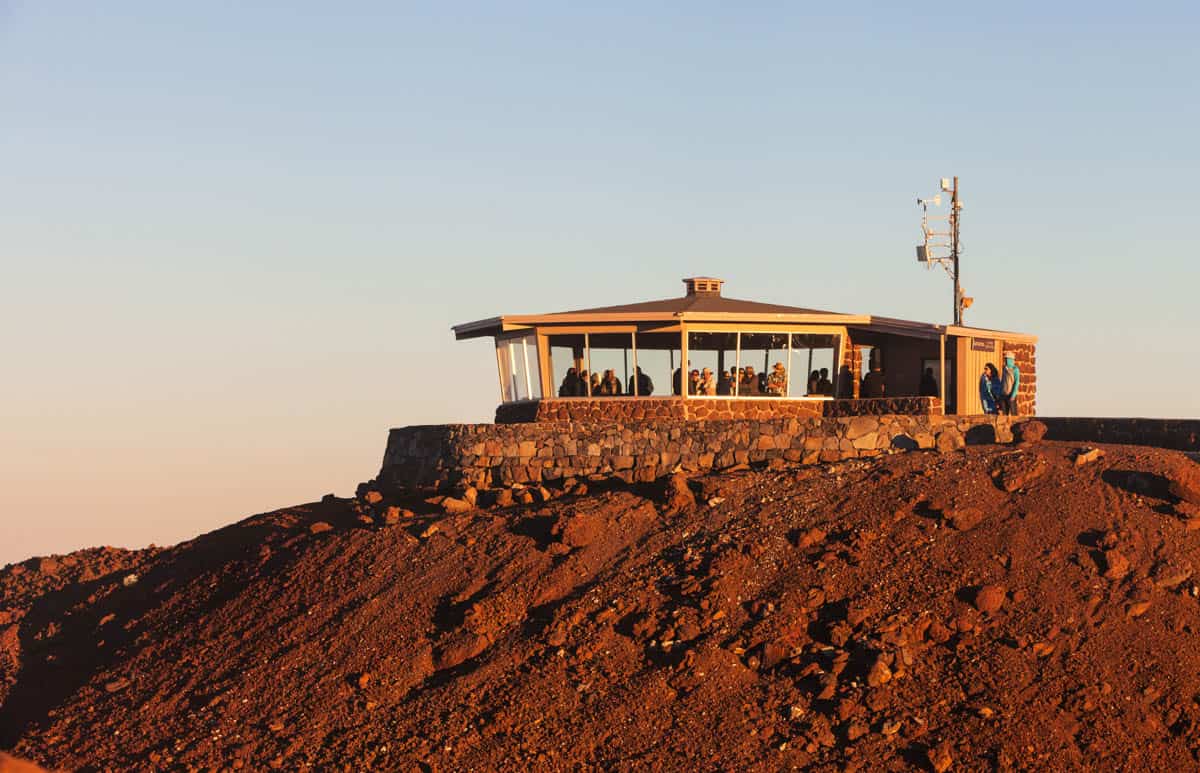
Position yourself at the historic observatory structure to frame the dramatic ridge lines against the colorful evening sky. This location is a favorite for those booking haleakala sunset tour tours.
Use this vantage point along the crater rim to photograph the clouds spilling into the valley below. It provides a unique perspective for guests holding haleakala sunset tour tickets.
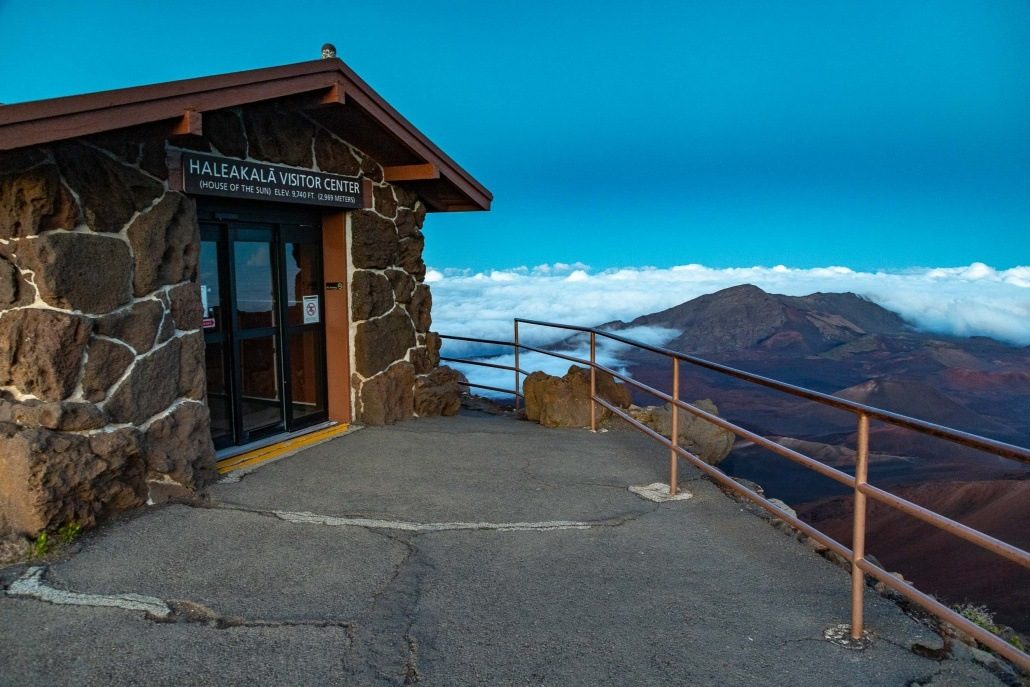
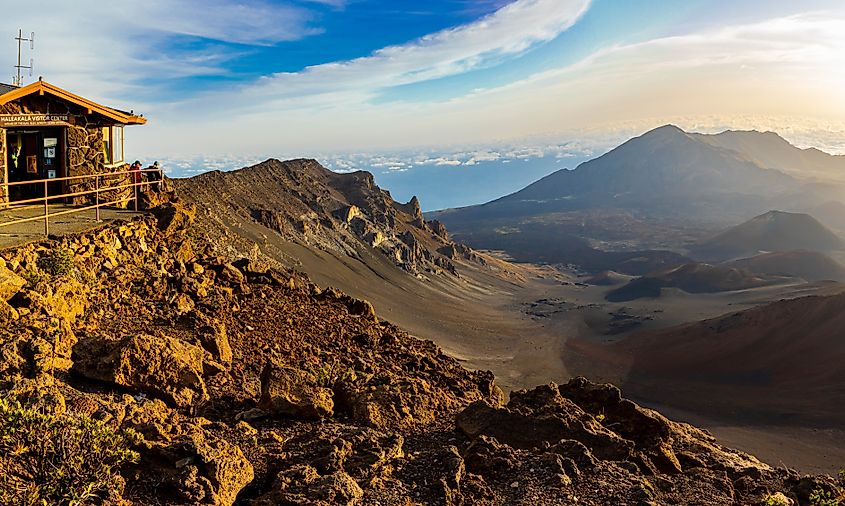
Frame the rugged volcanic landscape with the stone architecture of the visitor center in the foreground. Many who prefer a guided haleakala sunset tour tour find this area ideal for stabilizing tripods.
Real experiences from real travelers
Our haleakala sunset tour exceeded every expectation. The drive up took about 90 minutes from Kahului, and we arrived an hour before golden hour to secure a spot at the summit overlook. Watching the sun descend below the cloud layer while the cinder cones glowed rust-red felt surreal. Bring warm layers since the temperature dropped to 45°F at 10,000 feet elevation.
The summit observation area offers unobstructed views across the House of the Sun crater. We witnessed alpenglow painting the volcanic landscape in shades of violet and amber as daylight faded. Our guide explained how Haleakala's shield volcano formed over millions of years. The silversword plants near the visitor center were in bloom during our July visit.
This Maui summit experience ranks among the best sunset tours we've taken. The crater floor stretches seven miles across, revealing countless cinder cones and lava flows in shifting light. We spotted native nene geese near the parking area. The thin air at altitude made us lightheaded at first, but the panorama justified the effort. Pack snacks since there are no facilities beyond the visitor center.
The haleakala sunset tour delivers on scenery but expect company. We counted over 200 visitors at the summit that evening, all vying for railing spots. The colors were vivid—copper, rose, and deep purple across the volcanic slopes. Arrive 90 minutes early if you want photos without crowds. The winding road requires careful driving in dim post-sunset conditions.
Our guide shared legends about how Maui the demigod lassoed the sun from this very crater. Watching daylight drain from the summit while standing above a sea of clouds felt primordial. The Haleakala summit tours we researched all recommended warm jackets and closed-toe shoes—solid advice since wind gusts reached 25 mph. The silica sand and volcanic rock create an otherworldly terrain that photographs beautifully in angled light.
The ranger talk before sunset covered Haleakala's last eruption in 1790 and ongoing erosion patterns. We watched shadows lengthen across Kaupo Gap as the sun dropped toward the horizon. The dry alpine environment at 10,000 feet supports unique flora like the silversword, which blooms once then dies. Bring water and sunscreen—the UV exposure is intense even in late afternoon.
This haleakala sunset tour tickets purchase was the highlight of our Hawaii trip. The crater's scale becomes apparent as light shifts—what looks like small hills are actually 600-foot cinder cones. We arrived at 5 PM for a 6:30 PM sunset and watched the color temperature change from cool blues to warm oranges. The visitor center exhibits provide helpful context about the volcano's formation and native Hawaiian cultural significance.
The 38-mile drive up Crater Road passes through multiple climate zones—tropical forest to alpine desert. We pulled over at the 7,000-foot overlook to acclimate before continuing to the summit. The haleakala sunset tour rewards patience with layers of color across the crater floor and distant views of Mauna Kea on the Big Island when conditions are clear. Temperatures dropped 30 degrees from sea level, so dress accordingly.
Standing at Pu'u'ula'ula summit while the sun set behind Maui's west coast created memories we'll carry forever. The volcanic landscape glows in shades you don't see elsewhere—rust, magenta, charcoal. Our small group stayed respectful of the silence as twilight settled over the crater. The Haleakala summit experience requires advance planning since parking fills quickly, but the payoff justifies the logistics.
The haleakala sunset tour guide pointed out geological features as we watched—erosion valleys, ash deposits, and olivine crystals in the lava rock. The air clarity at altitude made distant features appear closer than expected. We stayed 30 minutes past sunset to watch stars emerge in the darkening sky, with zero light pollution obscuring the view. Pack a headlamp for the walk back to your vehicle.
Everything you need to know for your journey
Haleakalā National Park is open 24 hours daily, so you can enjoy a haleakala sunset tour anytime.
Unlike sunrise, a haleakala sunset tour does not require a special vehicle reservation.
The entrance fee is 30 USD per private vehicle, which is valid for 3 days in both districts.
Wear warm, layered clothing, as temperatures drop significantly at the summit during your haleakala sunset tour.
There is no food or water available inside the park, so bring your own supplies for your haleakala sunset tour.
Yes, the visitor centers are accessible, making it easier for visitors on a haleakala sunset tour to find facilities.
To ensure park entry before sunset due to capacity-based gate closures, arrive between 00:00–16:00.
Pets are generally not allowed on trails, so they are not recommended for a haleakala sunset tour.
Avoid bringing drones or alcohol, and stay on marked paths to keep your haleakala sunset tour safe and compliant.
Join thousands of happy travelers who have discovered this incredible experience
Book Your Experience Now