9 hr
Haleakalā Summit Sunrise Experience
- Expert local guide
- Small group
- Skip-the-line access
- Free cancellation
Haleakala Sunset Bike Tour — Guided Downhill Rides from the Summit
Coast 23 miles from the crater rim, golden light trailing your wheels.
Compare fares, pick the fit — all bookings are mobile-voucher and eligible for free cancellation where shown.
9 hr
7 hr
7 hr
Selecting the right haleakala sunset bike tour allows you to experience the volcanic landscapes of Maui through an exhilarating descent. These professional tour packages streamline access to the national park while providing essential safety gear for your summit-adjacent adventure.
| Self-Guided Tour Flexible Pace |
Top pick Guided Bike Tour Full Support |
|
|---|---|---|
| Summit Access | Included (Van) | Included (Van) |
| Staging Elevation | 6,500 feet | 6,500 feet |
| Bike Descent | 15-26 miles | 15-26 miles |
| Safety Briefing | Standard | Professional Guide |
| Best For | Independent explorers | First-time visitors |
| See tickets & prices |
Verdict: For a comprehensive experience with expert local insight, most first-time visitors prefer booking the guided haleakala sunset bike tour tickets.
Worth it for guided safety and summit access
A haleakala sunset bike tour delivers value through professional equipment, van transport to the 10,023-foot summit, and guided downhill riding through volcanic terrain that independent cyclists cannot safely replicate. Tours include bike rentals, helmets, rain gear, and expert route navigation down switchback roads with minimal vehicle traffic during golden hour. The summit experience combines sunset viewing above the cloud line with a 23-mile descent through multiple climate zones, concluding near sea level. Guided operators handle logistics like park entry coordination and provide safety support on steep grades that average 6-8% decline. This format suits riders seeking adventure without the physical demand of uphill climbing or the risk of navigating unfamiliar mountain roads at dusk. The haleakala sunset bike tour tours eliminate the need for personal vehicle transport and parking hassles at the summit.
Bottom line: The combination of summit access, safety infrastructure, and guided descent justifies the investment for riders prioritizing experience over independent exploration.
They complement each other; most visitors who do both call the sunrise version the more classic, dramatic event, while the sunset alternative provides a more relaxed experience. Choosing between these haleakala sunset bike tour tours depends largely on your tolerance for pre-dawn wake-up calls versus the desire for golden-hour lighting.
|
Top pick Sunset Bike Tour |
Sunrise Bike Tour | |
|---|---|---|
| Start Time | 16:00–18:00 (suggested) | 02:45–04:30 (approximate) |
| Crowd Levels | Low to Moderate | Very High |
| Temperature | Cool/Breezy (40s F) | Very Cold (Freezing) |
| Peak View | Golden Hour colors | Summit sunrise spectacle |
| Booking Requirement | Recommended | Essential (often 60 days prior) |
| Support | Guided or Self-Guided | Mostly Guided |
| Activity Type | Downhill cruising | Downhill cruising |
| See tickets & prices |
Verdict: If you want to secure Haleakala sunset bike tour tickets without the intense 3:00 a.m. logistics, the sunset route is the superior choice, whereas the sunrise tour remains the signature bucket-list adventure for those who can manage the early start.
Hand-picked experiences loved by thousands of travelers
5 hours
Free Cancellation
Watch the sun dip below the clouds from Maui's highest peak in an intimate group of six or fewer
7 hours
Free Cancellation
Watch the sun set above the clouds from Maui's volcanic summit, then savor local island cuisine
9 hours
Free Cancellation
Watch dawn break from a 10,000-foot volcanic summit and discover the sacred stories of this Hawaiian treasure.
8 hours
Free Cancellation
Watch dawn break above the clouds from Maui's highest summit, then enjoy a full island breakfast
5 hours
Free Cancellation
Descend volcanic slopes on two wheels through ranch land, switchbacks, and historic paniolo country
7 hours
Free Cancellation
Trek two trails across Maui's dormant volcano, from summit cinder cones to lava paths with native flora
45 minutes
Free Cancellation
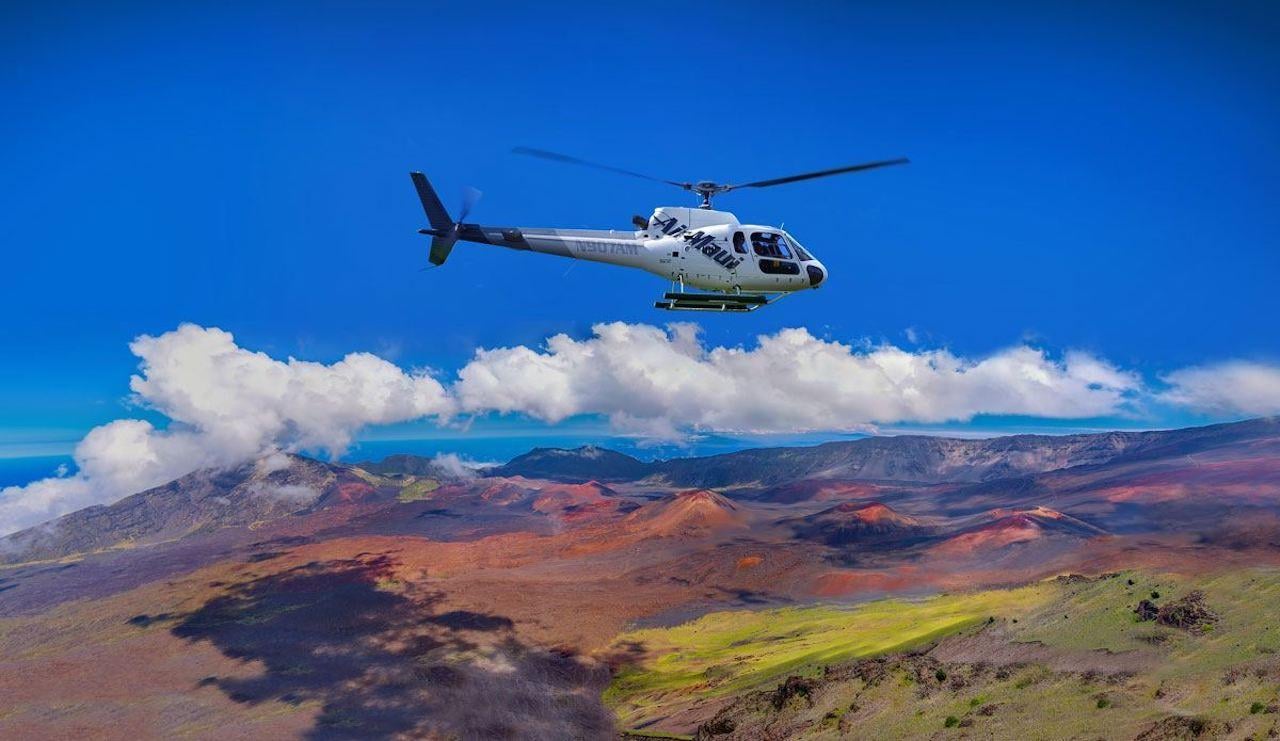
Soar above Maui's dormant volcanic crater and lush tropical rainforest on this unforgettable aerial adventure.
7 hours
Free Cancellation
Witness a spectacular volcanic sunset while discovering Indigenous traditions and rare ecosystems
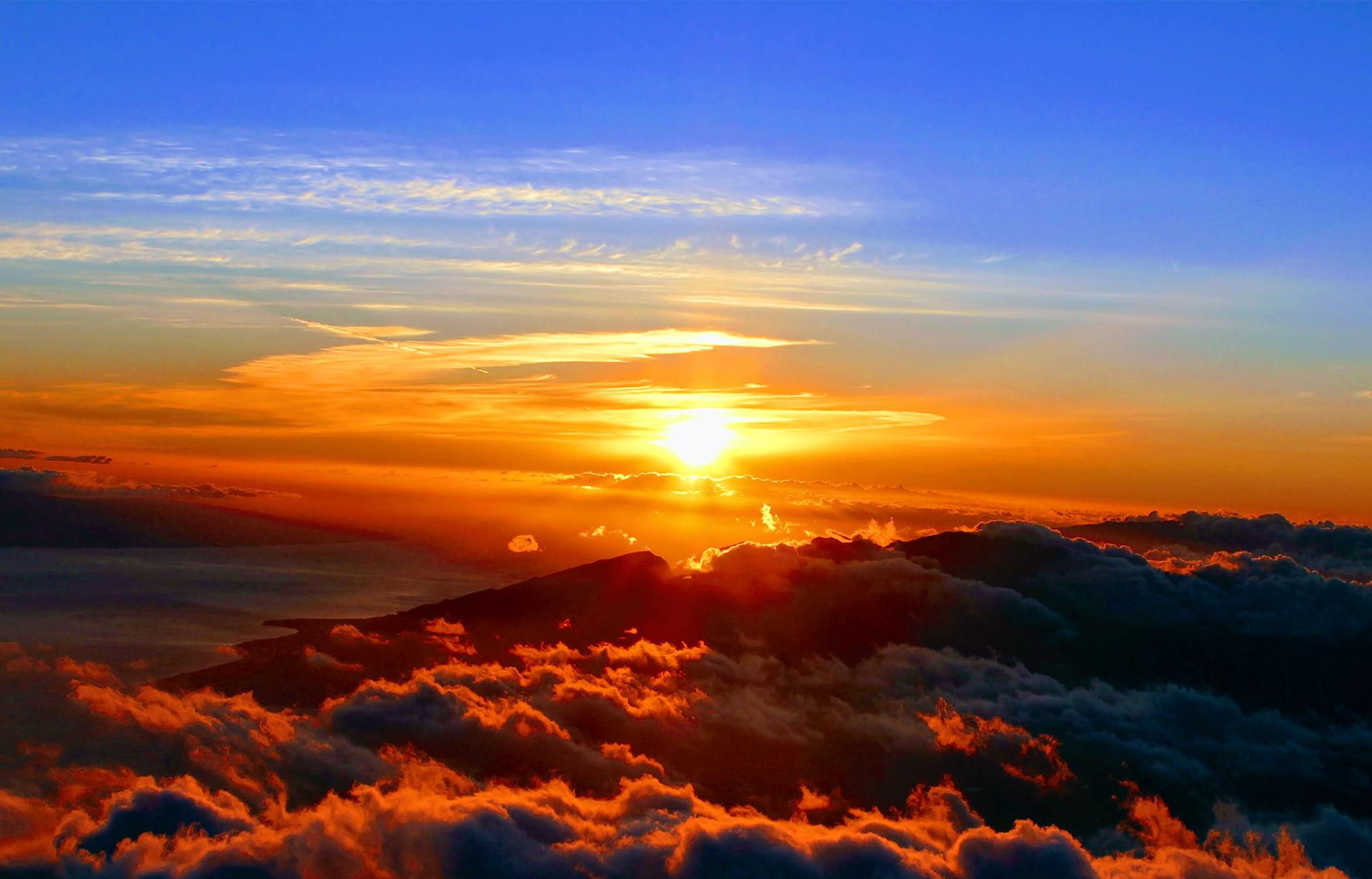
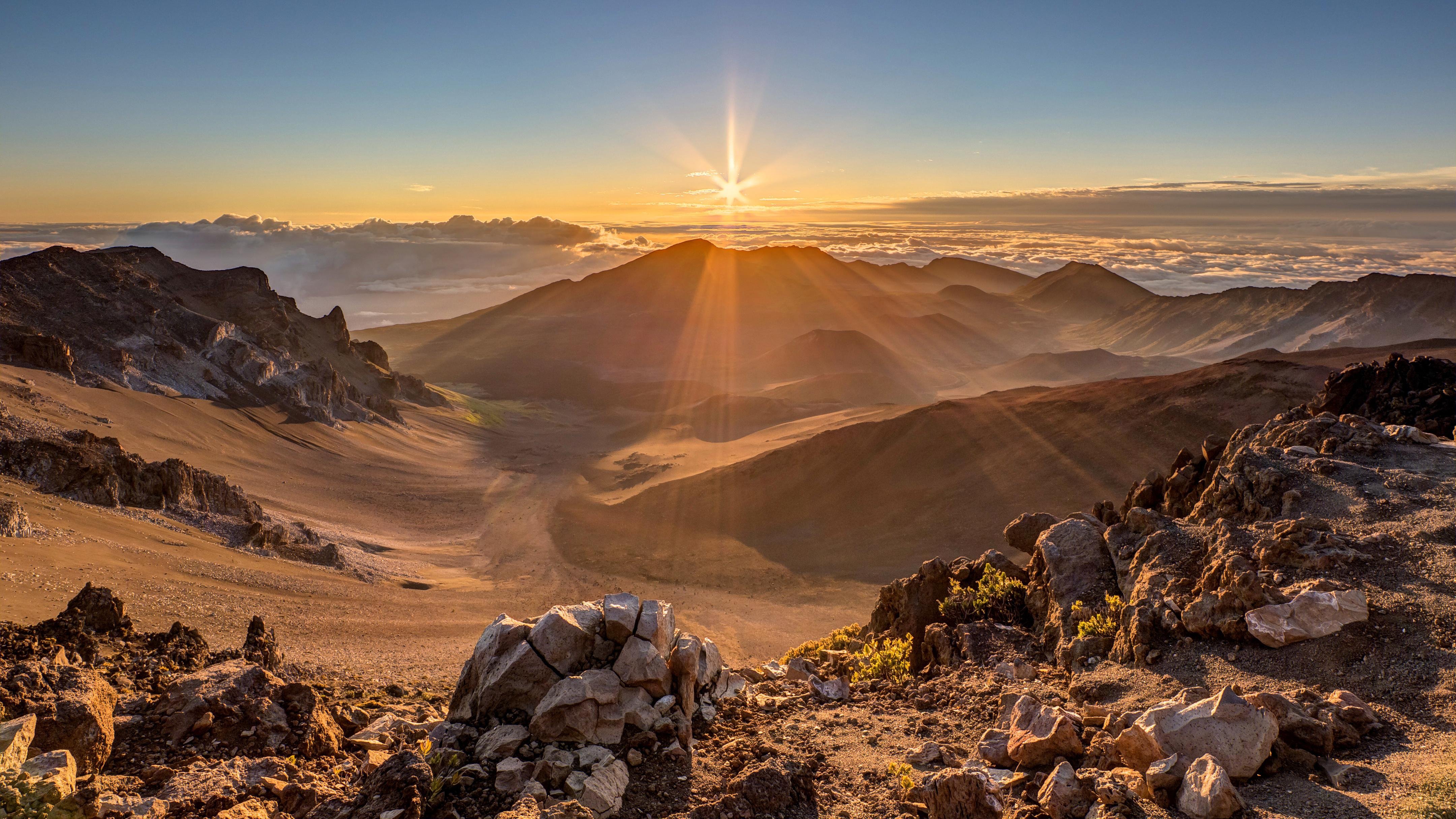
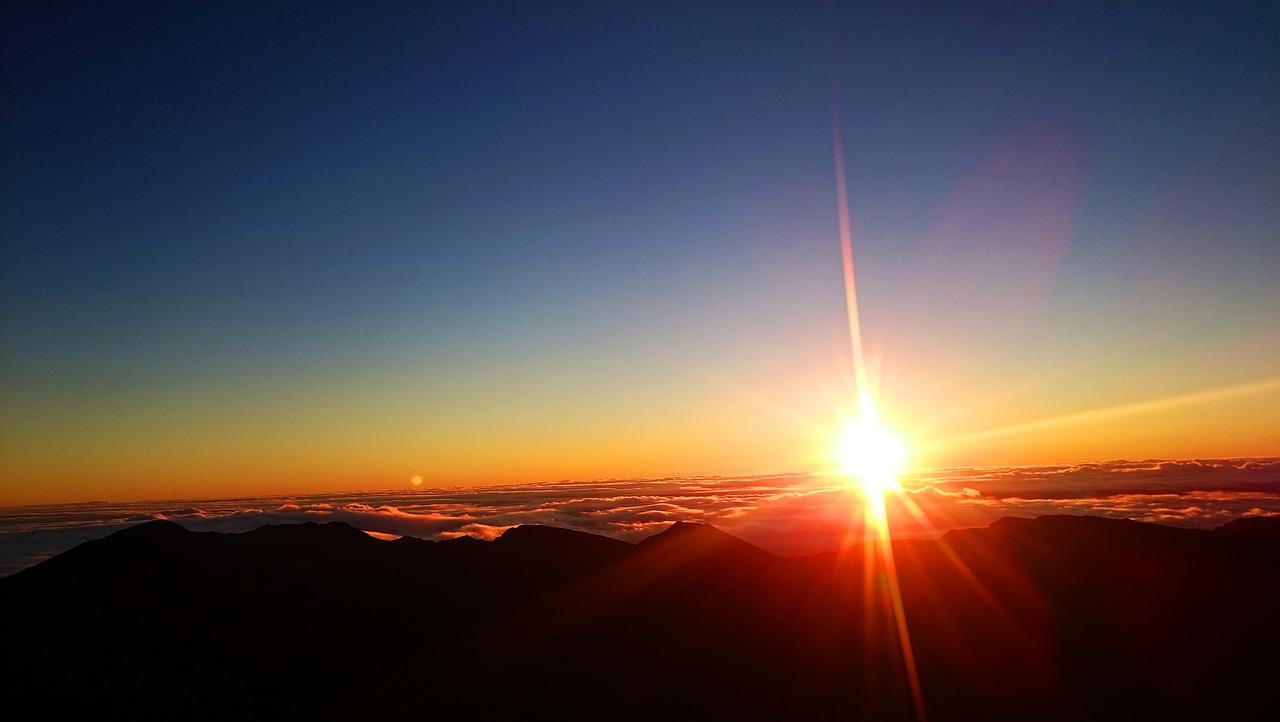
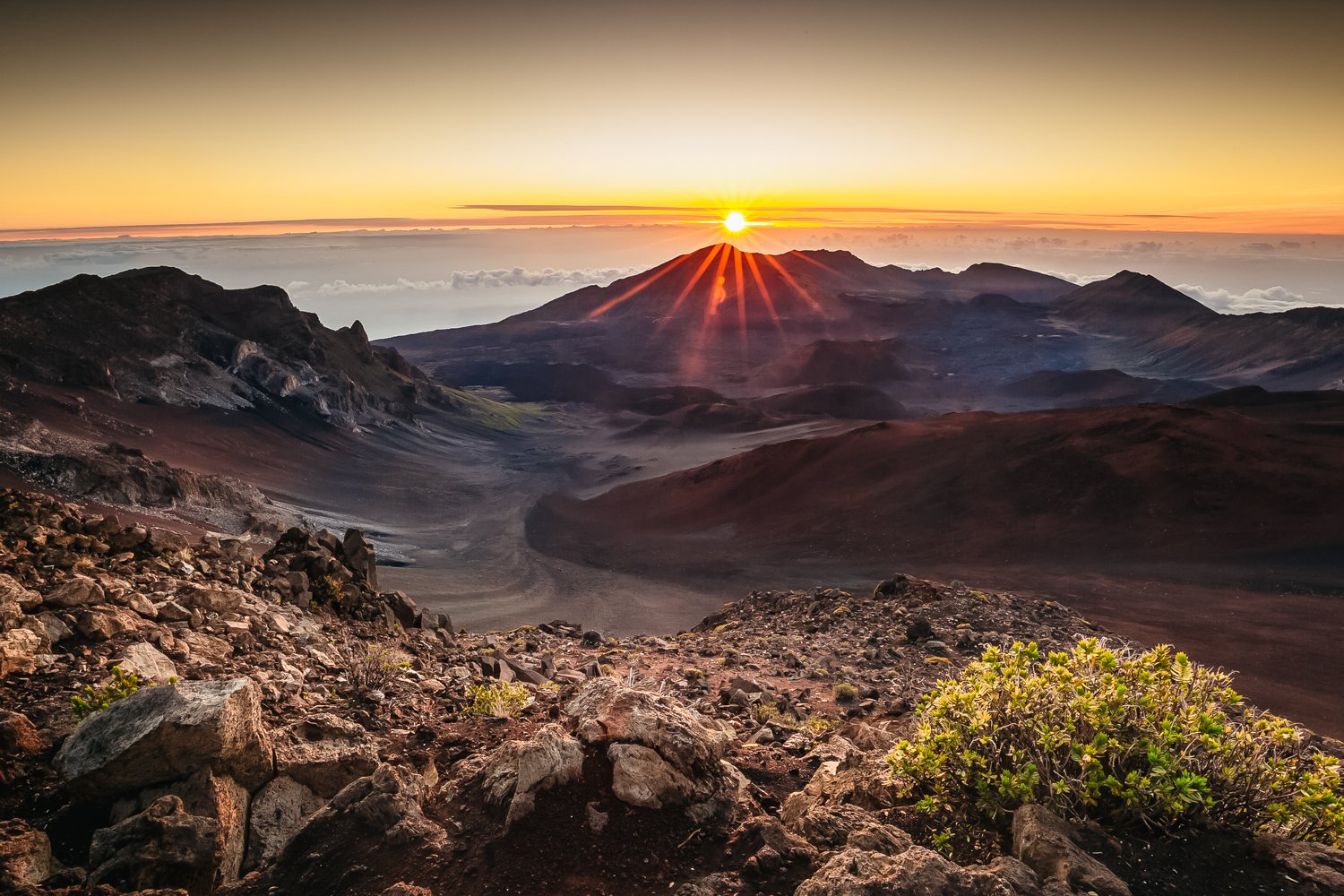
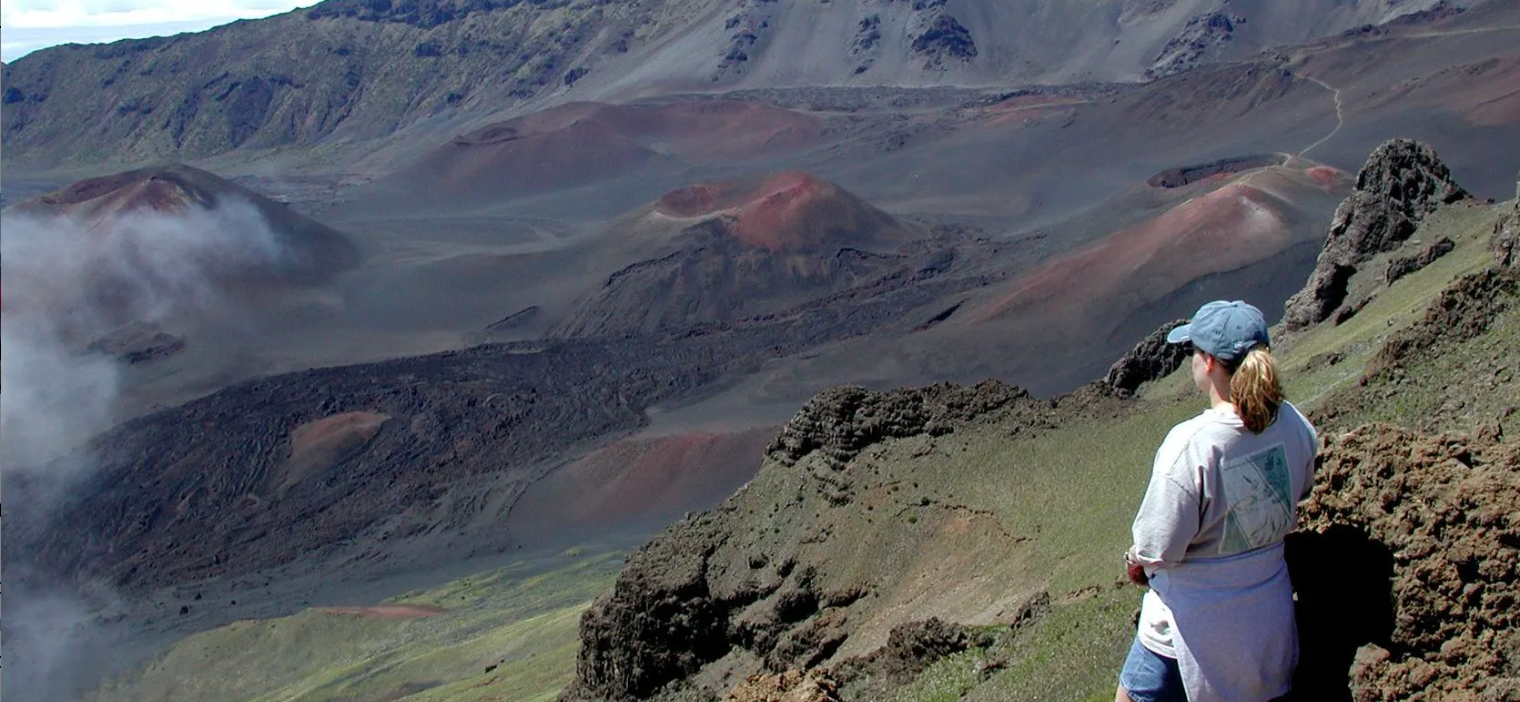
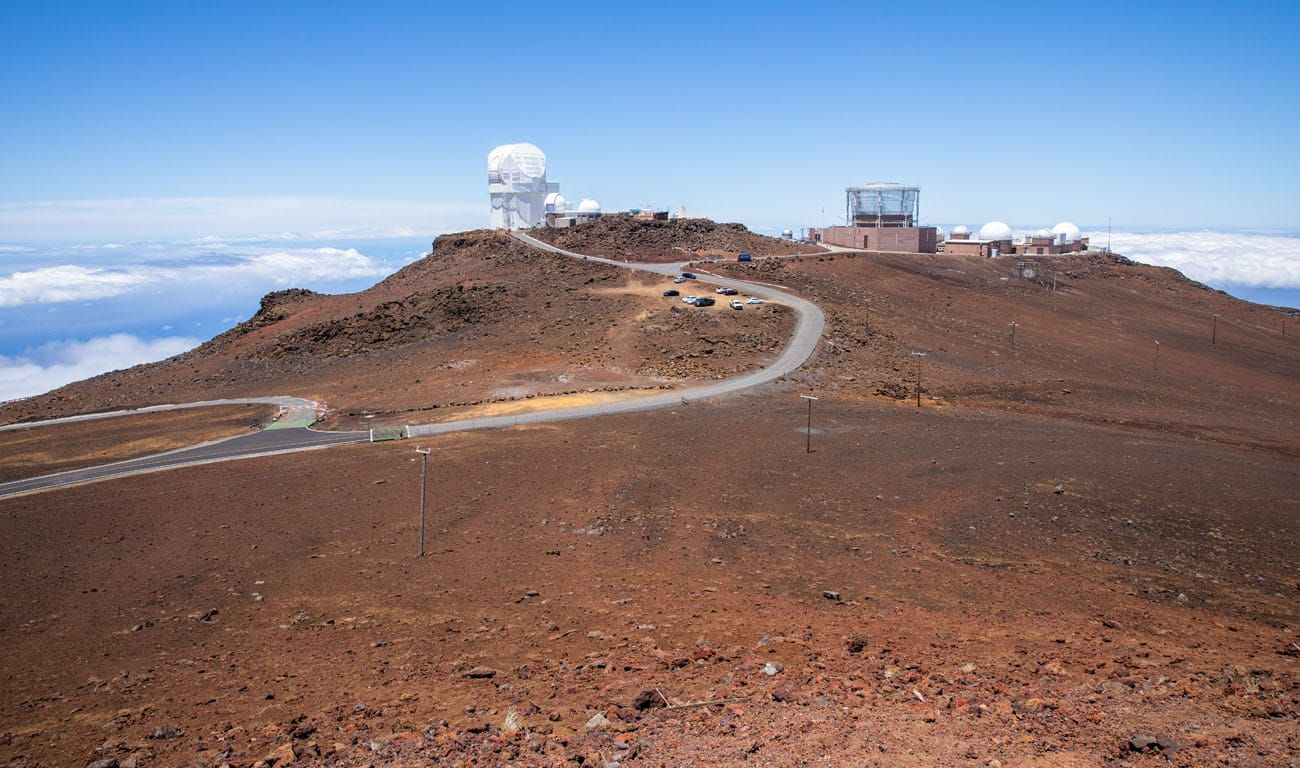
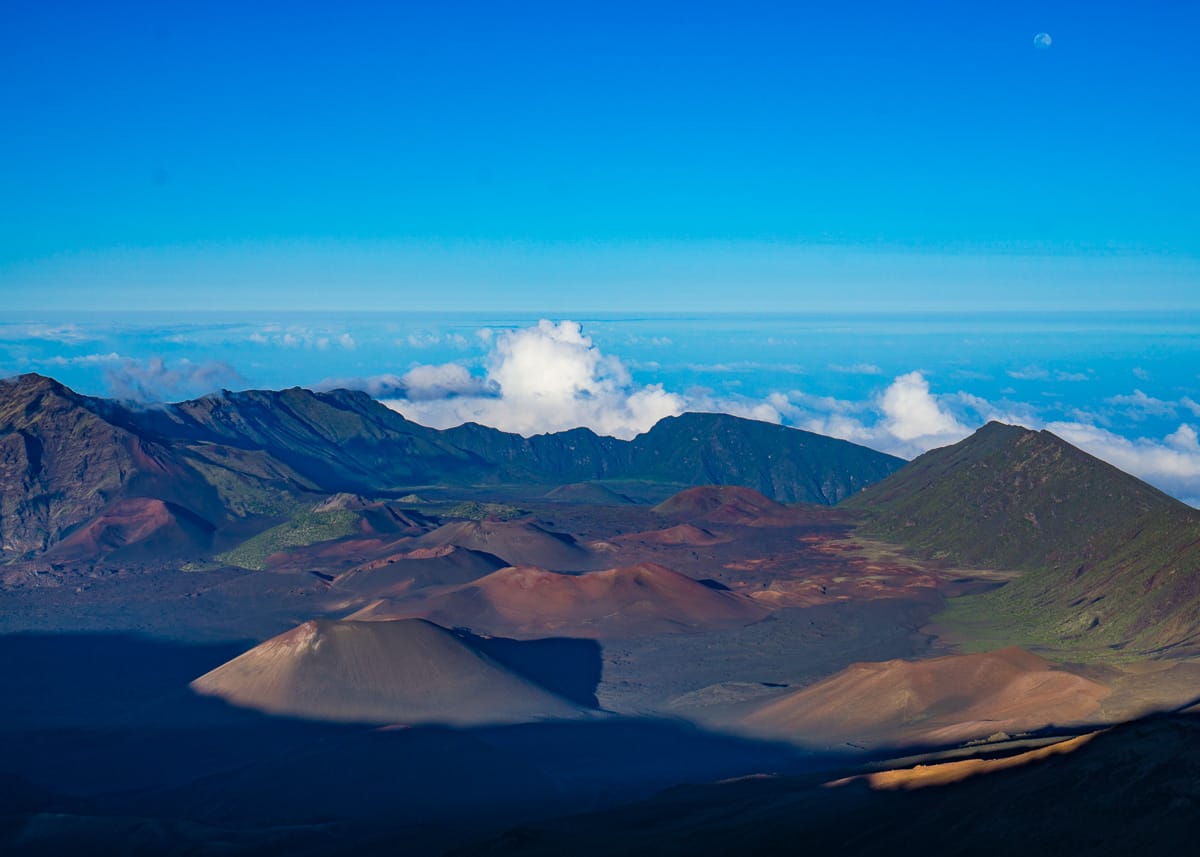
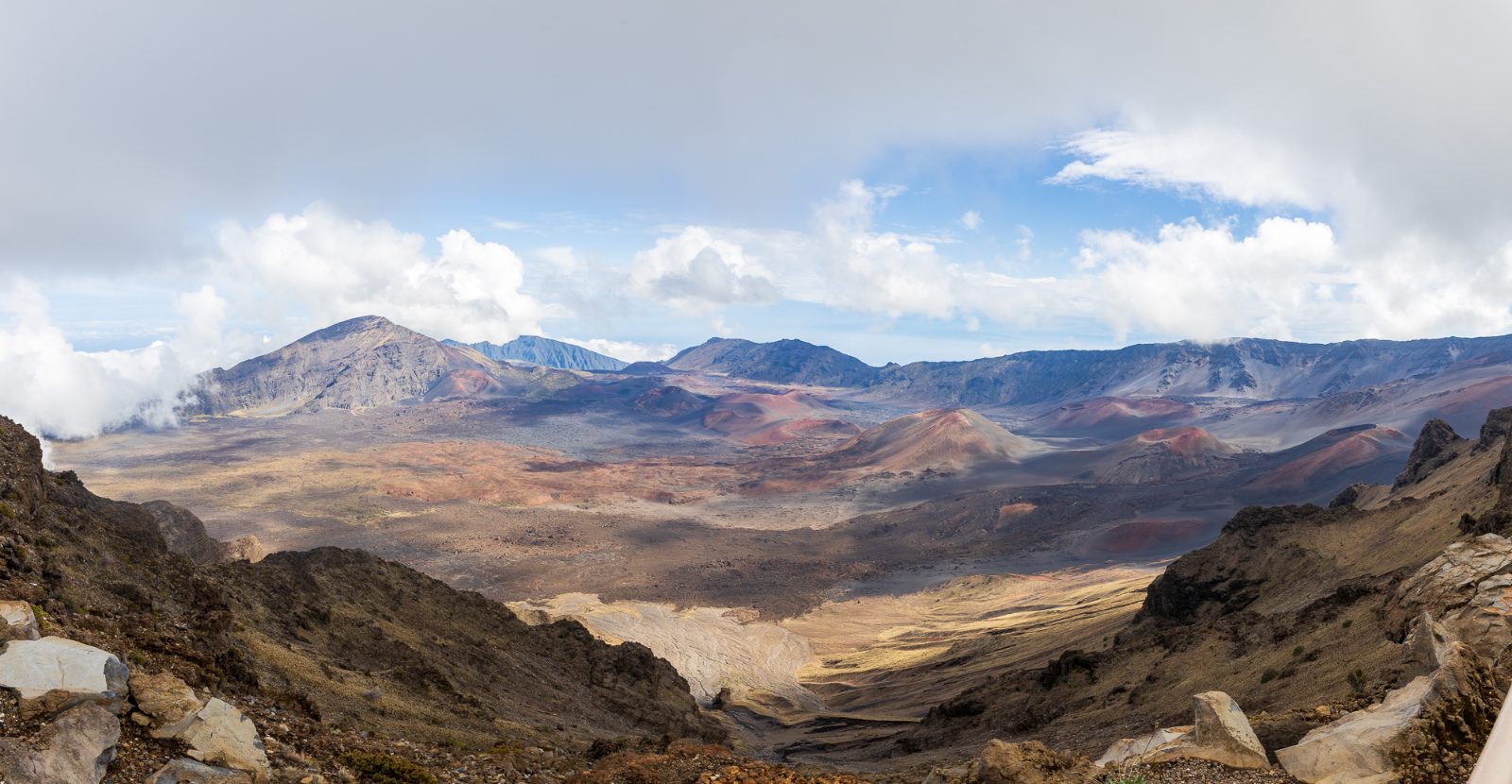
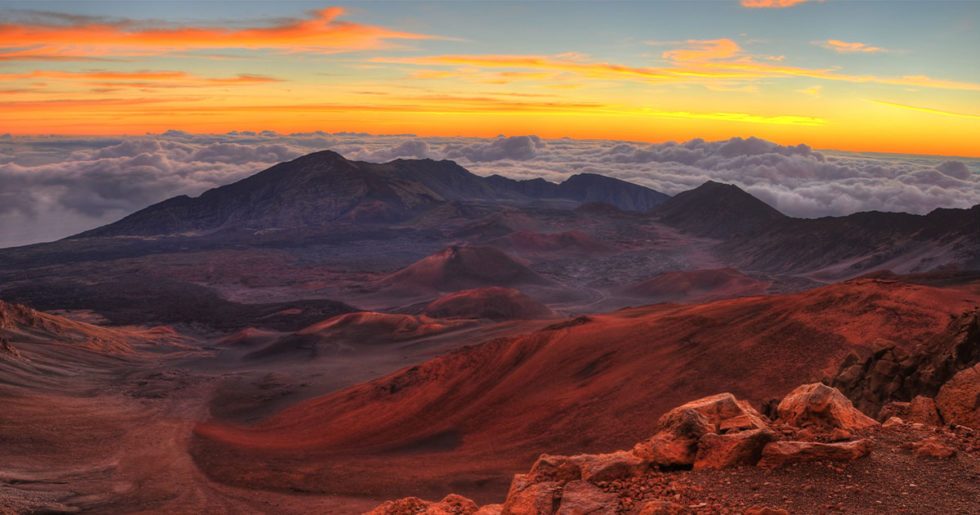
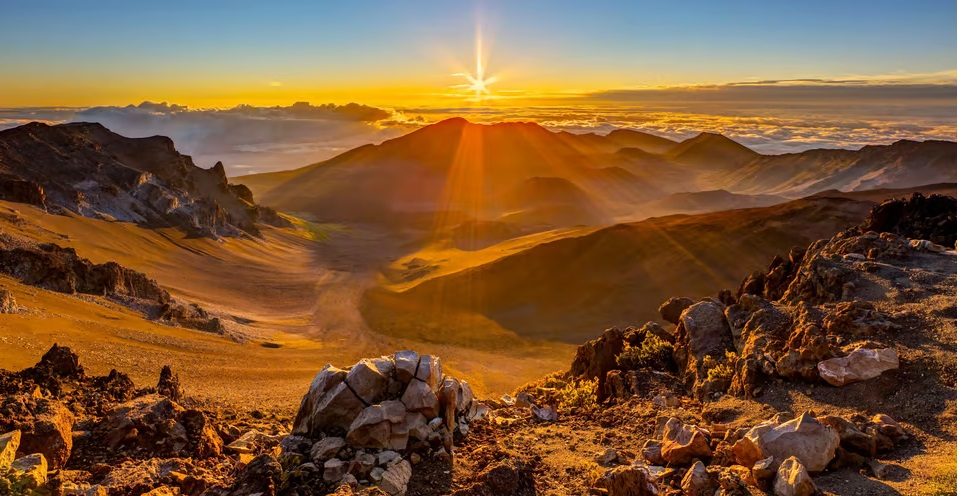
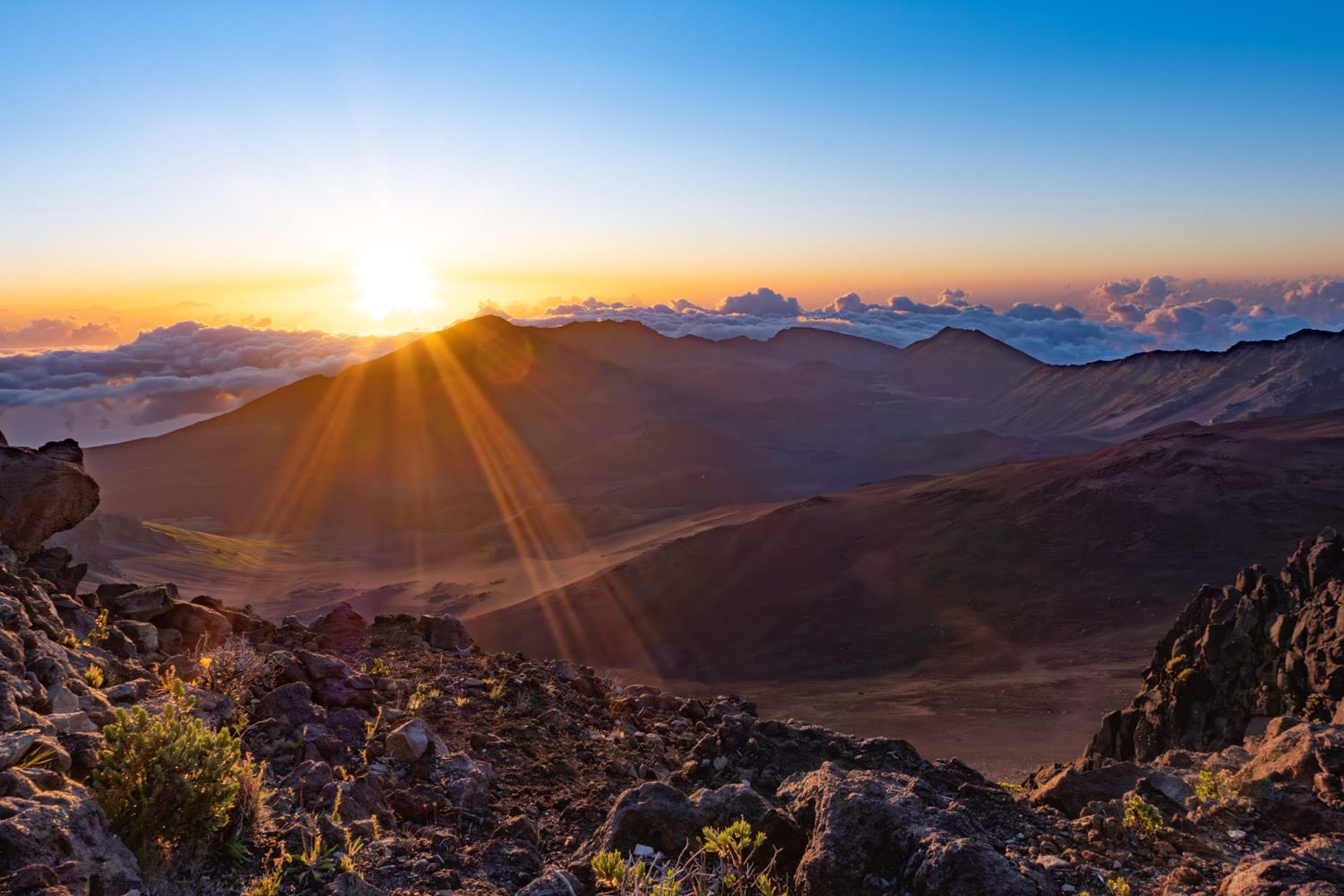
You meet your group in Kahului or Paia in mid-afternoon, boarding a van that climbs through pineapple fields and pastureland as the elevation counter ticks upward. At the summit visitor center — 10,023 feet — you step into air thin enough to slow your breath, the crater spreading below in rust and gray folds.
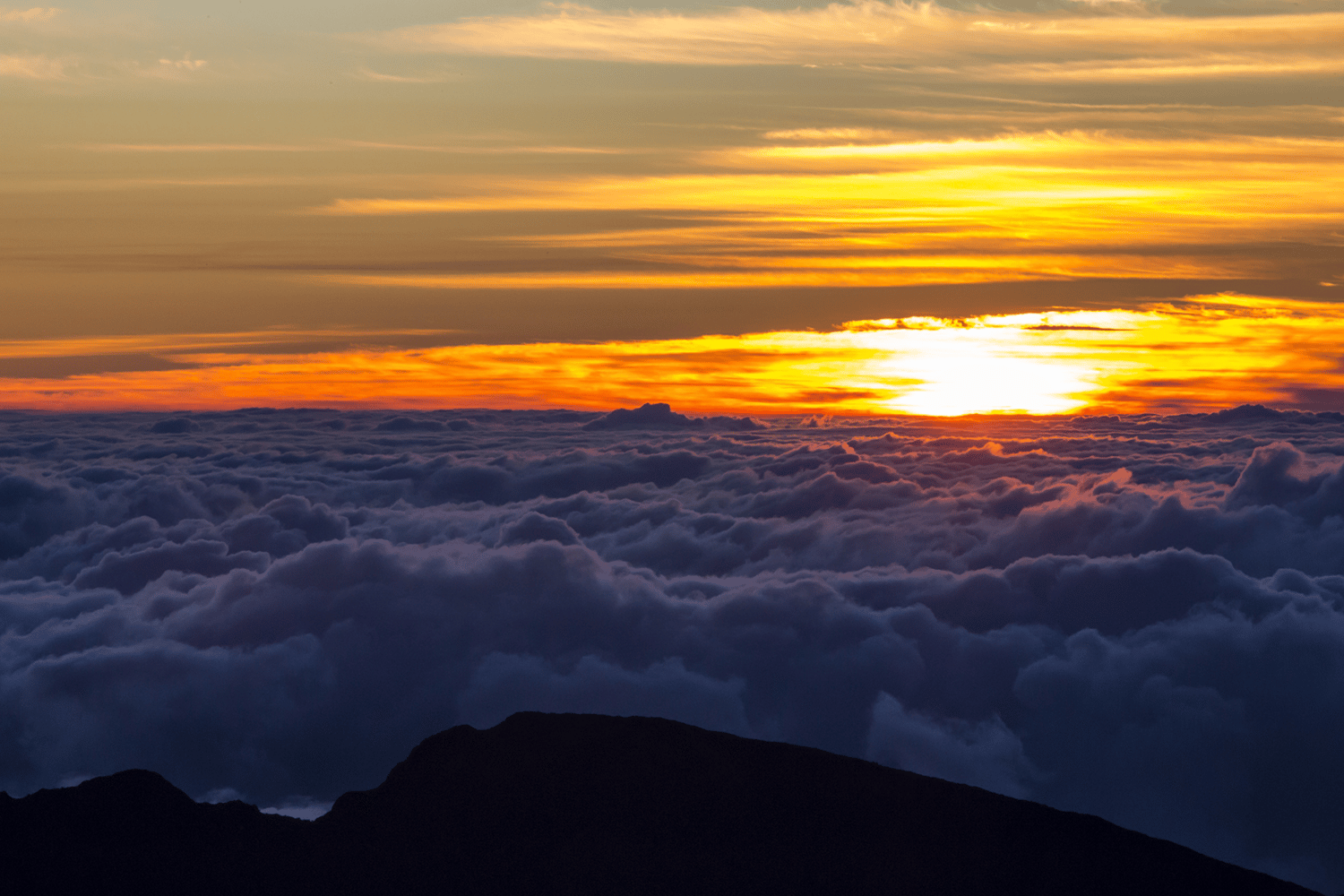
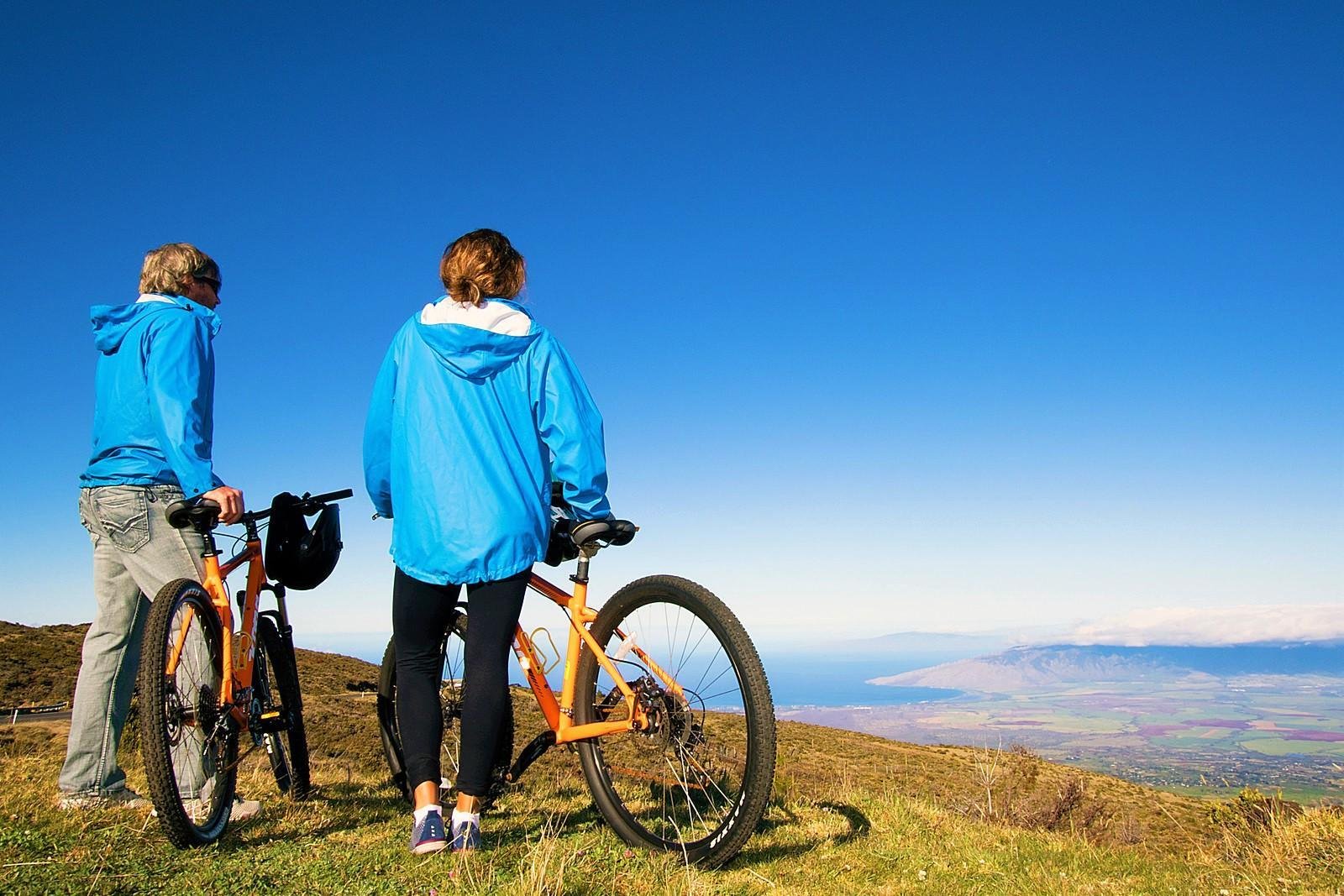
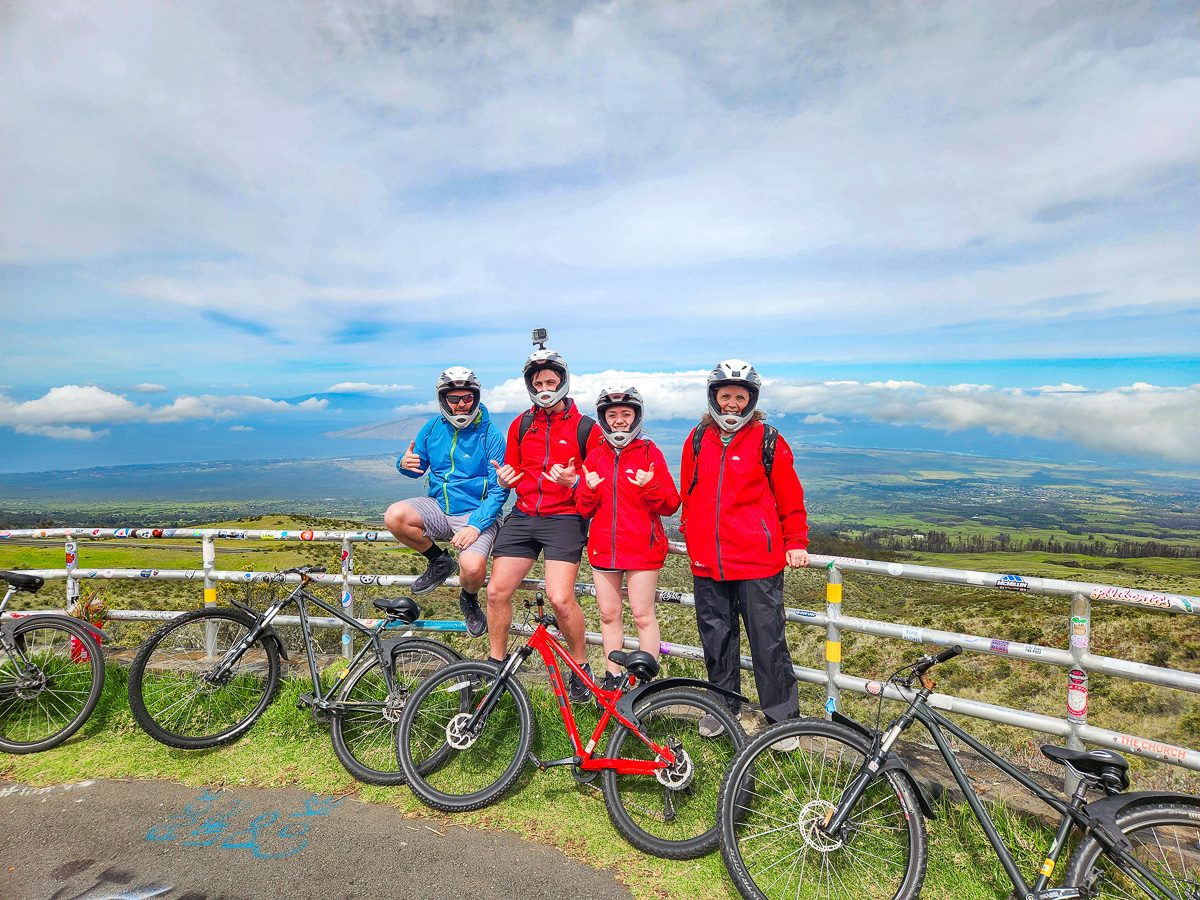
Your guide distributes helmets, gloves, and windbreakers while the sun drops toward the horizon, turning the clouds beneath you pink and amber.
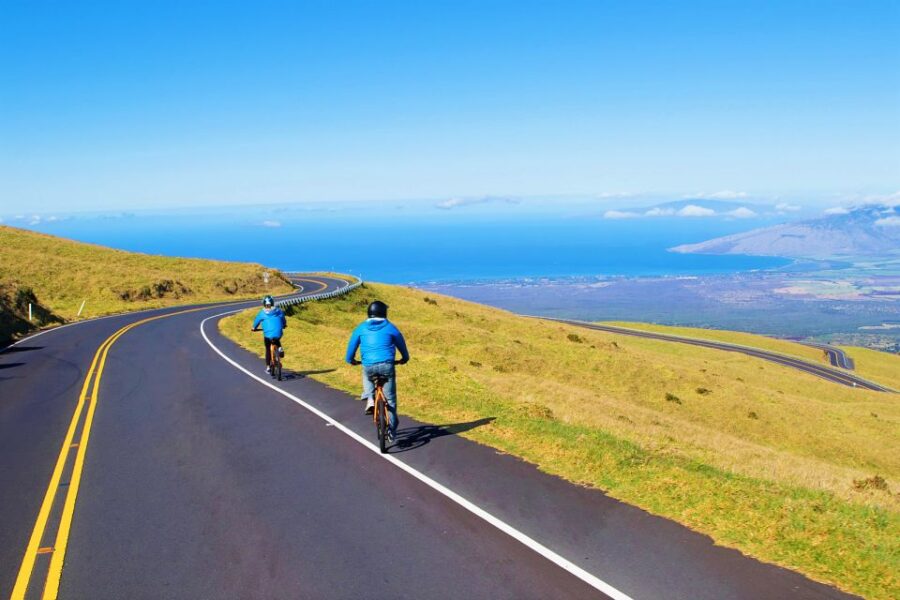
The ride begins just below the summit, coasting through the first switchbacks as the temperature rises and the wind noise fades. You pass silversword colonies and lava-rock walls, the road carving through zones where vegetation shifts every thousand feet. At the 6,000-foot marker, you stop at a pullout where the island's north shore appears, waves breaking white against black sand. The pace is controlled — your guide sets the speed, calling out cattle guards and gravel patches.
By the time you reach Kula, twilight has deepened and the road levels out through ranch gates and jacaranda trees. The final miles roll through upcountry towns where lights begin to glow in wooden storefronts, and you dismount in Makawao with the crater a dark silhouette behind you, 7,000 feet above the place you now stand.
All the details about your upcoming adventure in one place
Haleakala's paved summit road — completed in 1935 by the Civilian Conservation Corps — climbs 10,023 feet in 36 miles, making it one of the steepest automotive gradients in the United States.
The route crosses seven ecological zones, from coastal scrubland through cloud forest to alpine desert, and the descent by bicycle capitalizes on that vertical drama without the lung-burning ascent. Commercial bike tours emerged in the 1980s, transforming the mountain's access equation: visitors could experience the summit's thin air and wide-angle views, then trade exertion for momentum on the way down.
The road's engineering allows sustained coasting speeds, with wide shoulders and guardrails installed after the park's 1961 expansion. Sunset rides begin in late afternoon, when thermal winds settle and the angle of light turns the crater's cinder cones into high-relief sculpture. The descent passes ranch gates, eucalyptus groves planted by 19th-century sugar estates, and upcountry pastures where Haleakala's rain shadow gives way to the island's wetter windward flanks. Guides pace groups through 29 switchbacks, stopping at overlooks where the coastline bends into view 7,000 feet below.
The volcano last erupted between 1480 and 1600, leaving a summit depression that geologists classify as an erosional valley rather than a true caldera. Native Hawaiians called the site "house of the sun," referencing the demigod Maui's feat of slowing the sun's passage to lengthen daylight hours. The park protects silversword plants — endemic rosettes that bloom once after decades of growth — and nēnē geese, which occupy the crater floor and grassy slopes. Bike routes stay on paved sections outside wilderness boundaries, threading between conservation land and private ranches that date to the 1850s land reforms.
Sunset timing shifts with the season: winter's 5:30 p.m. golden hour arrives an hour earlier than summer's extended twilight. Most Haleakala sunset bike tour operators provide insulated jackets and full-face helmets, addressing the summit's 40-degree temperature drop and the exposed descent. The ride concludes in Makawao or Paia, upcountry towns where the road flattens and the trade winds pick up, and where the last light catches the ocean 15 miles north.

The descent passes ranch gates, eucalyptus groves planted by 19th-century sugar estates, and upcountry pastures where Haleakala's rain shadow gives way to the island's wetter windward flanks.
Temperatures at the summit are 30–50°F colder than at the coast. Wear multiple warm, windproof layers, long pants, and closed-toe shoes to handle high-altitude weather.
Only carry essential items in a secure backpack. Be prepared to show your park pass or digital confirmation at the entrance gate.
Capture views of the cinder cones and crater from designated overlooks only. Drones are strictly prohibited to protect the native nēnē goose habitat.
The summit is suitable for families with children aged 15 and older for biking activities. Younger children can explore the visitor center and short, accessible trails like Pa Kaʻoao.
The Haleakala Visitor Center and nearby parking areas feature accessible paths. Wheelchair users can navigate the paved areas around the summit observation points.
There are no food or water facilities available inside the park. Pack sufficient hydration and snacks for the entire duration of your visit.
Operating Hours
00:00–23:59
Address
30000 Haleakala Hwy, Kula, HI 96790
Accessibility
Summit district offers accessible overlooks
Best Arrival
16:00–18:00
Storage
Not available in Haleakala National Park
Specific tour operators maintain unique cancellation terms, typically requiring 48-hour notice for refunds. The park entrance fee of 15 USD per person for pedestrians and bicyclists remains non-refundable.
Recommended time
4-6 hours
A haleakala sunset bike tour requires careful pacing to coordinate summit access with the descent through the volcanic landscape. Visitors typically spend the initial hours acclimatizing and observing the crater views before gathering for the organized transit downhill. Managing haleakala sunset bike tour tickets in advance ensures your spot, as queues for summit parking areas can be significant during peak evening transitions. Opting for haleakala sunset bike tour tours provides a structured itinerary that accounts for safety protocols and changing light conditions along the Haleakala Highway.
Crowd levels through the day
The haleakala sunset bike tour traces its origins to the late 1970s, when Maui entrepreneurs recognized the untapped potential of Haleakala's summit road. In 1983, the first commercial bicycle descent operation launched, offering riders a gravity-powered journey from the 10,023-foot volcanic crater rim to sea level. Early tours focused on sunrise ascents followed by downhill coasting, but by the mid-1990s operators had shifted emphasis toward sunset departures, capitalizing on the mountain's renowned alpenglow and the logistical advantage of afternoon staging. The industry faced its defining crisis in 2007, when the National Park Service banned commercial bicycle operations within park boundaries following a series of accidents and fatalities on the narrow summit road. Tour companies adapted by restructuring routes to begin descents outside the park perimeter, typically from the 6,500-foot elevation mark near the park entrance. This regulatory shift forced operators to pivot their marketing from pure downhill thrills to hybrid experiences combining guided van transport to the summit for sunset viewing, followed by the bike descent on public highways below the park. Modern haleakala sunset bike tour tours now emphasize safety protocols absent in the early decades. Participants receive thermal gear for the frigid summit temperatures, which can drop below freezing even in summer months. The Haleakala Highway descent covers approximately 23 miles through multiple climate zones, from subalpine shrubland through ranchlands to tropical lowlands. Tour operators must now secure separate permits from Maui County rather than the Park Service, and most limit group sizes to twelve riders. The experience remains anchored to the mountain's geological drama—Haleakala last erupted around 1790—and the cultural significance of the summit as a sacred site in Native Hawaiian cosmology, where the demigod Māui is said to have lassoed the sun.
First commercial bicycle descent companies begin operating from Haleakala summit.
Operators shift from sunrise to sunset tours to reduce crowding and enhance customer experience.
National Park Service bans commercial bike tours within park boundaries after safety incidents.
Companies restructure routes to start descents outside park gates at lower elevations.
Maui County implements new permitting system for commercial bicycle operations on public roads.
Tours combine summit sunset viewing with guided 23-mile descents through five climate zones.
The highest point offers panoramic views of the volcanic landscape and cinder cones, perfect for capturing the sky changing color. Stand near the railing on the west side for the clearest horizon line during your haleakala sunset bike tour.
This historic stone structure provides a frame for the vast crater floor below. Position your camera to capture the contrast between the rugged caldera terrain and the soft evening light.
Located along the descent, this vantage point features a steep drop-off that highlights the dramatic scale of the mountain. Use a wide-angle lens here to capture the expansive clouds rolling over the ridge.
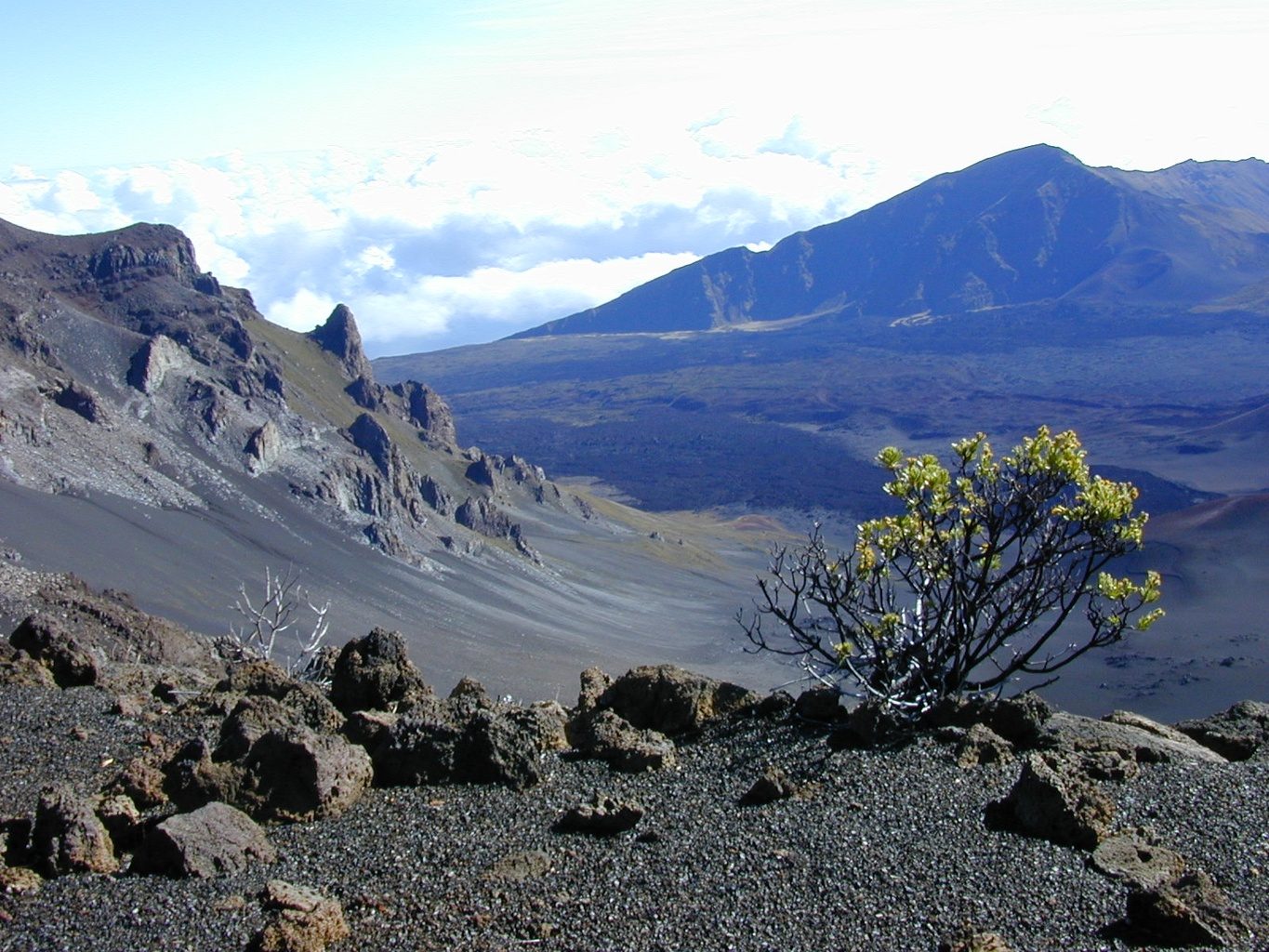
This area showcases unique silversword plants in the foreground against the backdrop of the massive crater walls. It is an ideal spot to document the diverse ecosystem before continuing your Maui volcano bike tour.
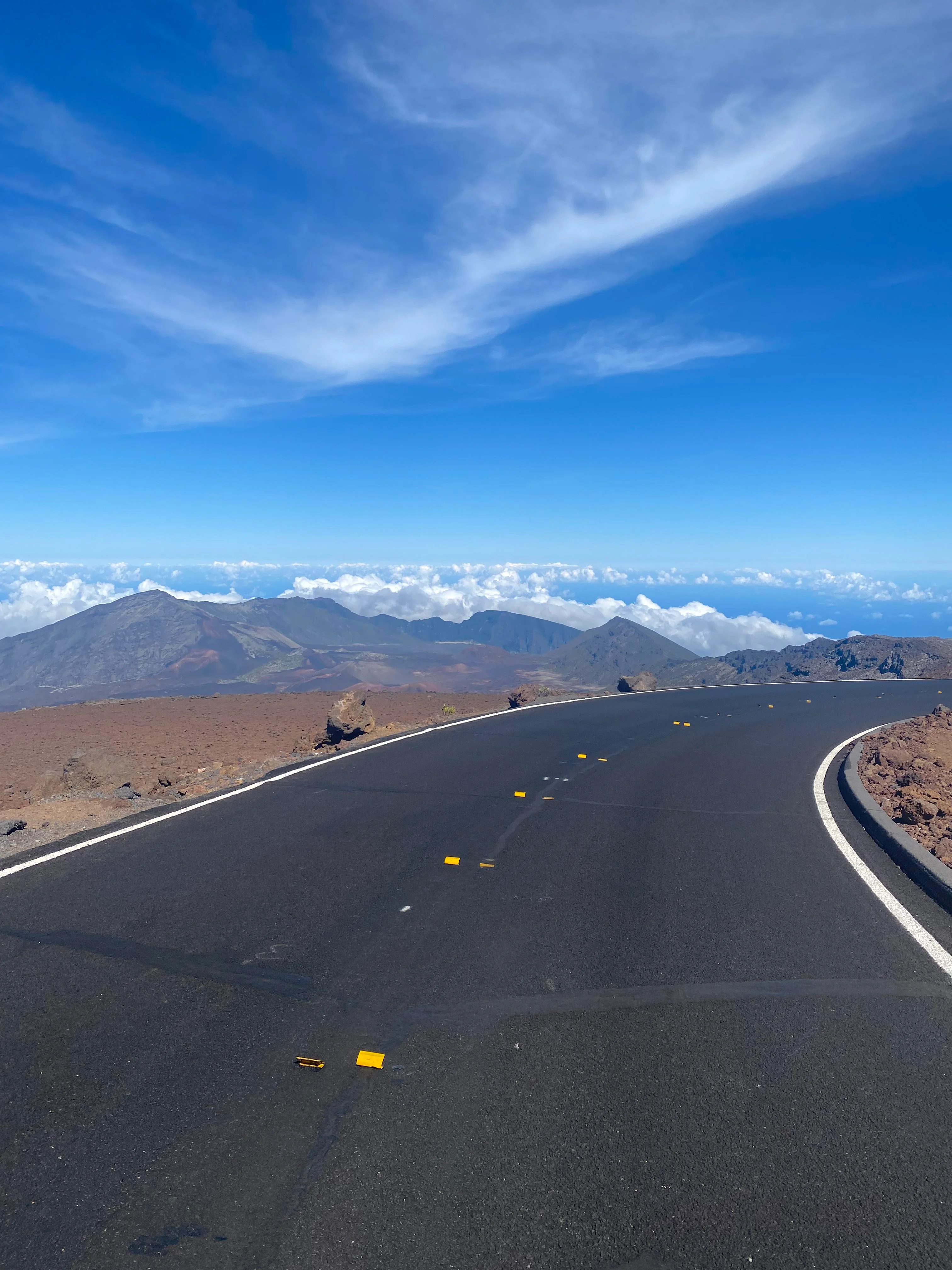
The winding roads provide various pull-offs where you can photograph the changing vegetation zones as you descend. Ensure you secure your haleakala sunset bike tour tickets to access these scenic stops while riding down.
Planning a haleakala sunset bike tour requires careful preparation for high-altitude conditions and cool temperatures. Families should focus on physical stamina and gear readiness to enjoy this volcanic summit excursion.
Strollers are not practical on the mountain slopes or during a haleakala sunset bike tour tours, so plan to carry infants in appropriate mountain-rated carriers. Ensure children have layers, as temperatures drop significantly at the summit after the sun goes down.
Operators typically require participants to be at least 12 years old for haleakala sunset bike tour tickets to ensure they can safely manage the descent. Always check the specific weight and height requirements provided by your chosen operator before booking.
Restrooms are limited along the route and at the summit, so utilize facilities at the visitor center before your haleakala sunset bike tour tour begins. Pack ample water and snacks, as there are no food vendors available once you start the descent.
The rapid change in elevation can cause altitude sickness in children, so monitor them closely for headaches or fatigue during the ascent. Encourage slow movement and hydration to help everyone adjust to the park summit environment.
Dining options within Haleakala National Park are non-existent, so plan to enjoy local meals in Kula after your haleakala sunset bike tour. This Upcountry region offers several relaxed spots that are perfect for refueling after you descend from the volcanic summit.
Known for its panoramic views and hearty comfort food, this is a popular stop for riders. The menu features fresh local ingredients and serves as an ideal place to decompress after finishing your haleakala sunset bike tour tickets.
Everything you need to know for your journey
No, sunset entry does not require the advance vehicle reservation needed for sunrise, though Haleakala National Park parking fills up quickly.
The park entrance fee is 15 USD per person for bicyclists, valid for 3 days.
Most bike tours involve a downhill descent, but physical fitness is recommended for navigation.
Meeting points are typically at operator facilities in Kula or near the park entrance as provided on your tickets.
Most operators require participants to be at least 15 years old for a haleakala sunset bike tour.
Availability for haleakala sunset bike tour tickets is limited, so booking in advance is strongly recommended.
Wear warm layers and wind-resistant clothing, as temperatures drop significantly at the summit.
There are no food facilities inside Haleakala National Park, so bring your own supplies.
Plan to arrive between 16:00–18:00 to enjoy the sunset viewing and descent safely.
Commercial bike tours operate under specific permits; check with local operators for private bike policies.
Join thousands of happy travelers who have discovered this incredible experience
Book Your Experience Now