

Quick answer
Arrive at Haleakala summit between 4:00 and 6:00 PM to secure parking before sunset, which typically occurs between 5:45 and 7:15 PM depending on season. Bring insulated layers, as temperatures at the crater rim drop to 40-50°F after dark, and plan for limited cell service. The park is open 24 hours, and the $30 entrance fee covers three days in both districts, but reservations are not required for sunset unlike sunrise viewing.
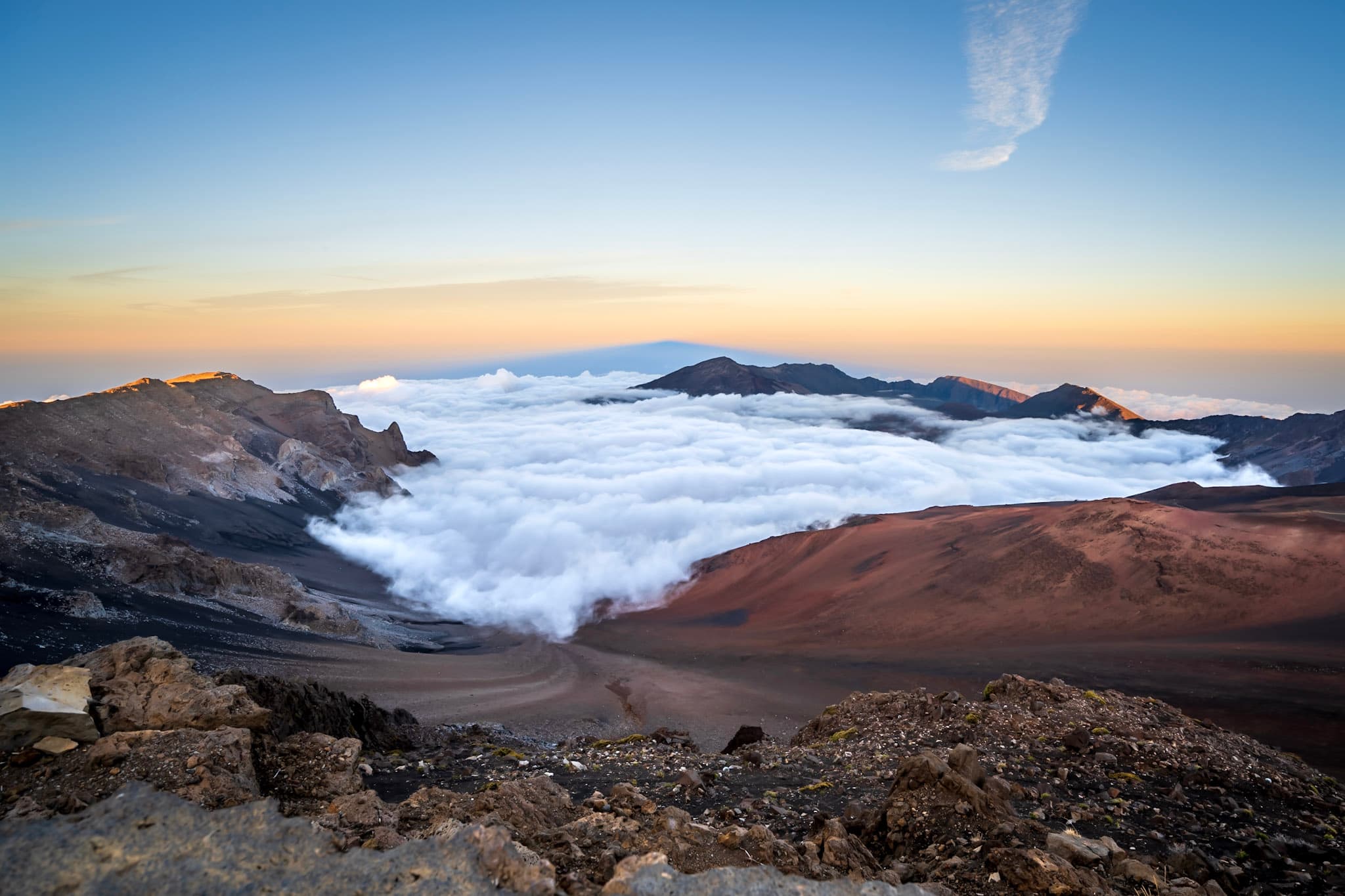
The summit parking lot at Haleakala holds roughly 150 vehicles, and on clear evenings it reaches capacity 60 to 90 minutes before the sun sets. That timing matters because once the lot fills, rangers close the access road and turn away late arrivals. The 90-minute drive from Kahului climbs through five climate zones, and the final stretch above 8,000 feet offers no services, no food, and no fuel. Temperature becomes the second variable. While coastal Maui sits at 80°F in the afternoon, the summit typically registers 20 to 30 degrees cooler, and after the sun drops, another 10 degrees disappear. Visitors in shorts and t-shirts start shivering within minutes. Wind speeds at the crater rim average 15 to 25 mph, and gusts can hit 40 mph, turning mild cold into biting cold. Layering with windproof shells and insulated jackets makes the difference between watching the full spectacle and retreating to the car early. Viewing spots spread across three main areas: the summit observation shelter, the open crater rim near the visitor center, and the pullouts along the final mile of road. The observation shelter offers protection from wind but fills first. The open rim provides unobstructed 360-degree views across the volcanic depression and out to the Pacific, with the islands of Lanai and Molokai visible on clear days. Cloud inversions occur frequently, creating a sea of white below the summit with the sun setting into the cloud layer rather than the ocean. Cell service disappears above 7,000 feet, so download maps and directions before leaving the coast. The park stays open around the clock, and the descent after dark requires caution on the steep, winding road with no guardrails in many sections. Most visitors spend 60 to 90 minutes at the summit, watching the light shift from gold to pink to purple across the crater walls. Planning your Haleakala sunset experience around these practical realities ensures you spend your time watching the sky instead of solving problems.
“The summit parking lot holds 150 vehicles and reaches capacity 60 to 90 minutes before sunset on clear evenings.”
The Optimal Haleakala Sunset Tips for Timing Your Arrival
The best arrival window is 16:00–18:00 to ensure you secure parking at the summit. Arriving within this timeframe provides sufficient daylight to navigate the high-altitude terrain and observe conditions before the sun descends.
Summer months
HighClear, 40°F to 60°F
Longer daylight hours allow more time for summit exploration before sunset shifts later in the evening.
Winter months
ModerateWindy, 30°F to 50°F
Sunset occurs earlier, necessitating a prompt arrival to avoid driving in darkness on the winding mountain roads.
Shoulder season
LowerVariable, 35°F to 55°F
April and October offer thinner crowds and stable conditions, making these months favorable for summit visits.
Verdict: Plan your visit between 16:00 and 18:00 during the shoulder months of April or October for a balance of manageable crowds and reliable visibility.
Navigating to the Summit: Haleakala Sunset Tips for Drivers
Haleakala National Park is located on Maui, with the summit area accessible via Haleakala Highway. Drivers should navigate to 30,000 Haleakalā Hwy, Kula, HI 96790 to reach the park entrance.
Haleakala Highway (HI-37 to HI-377 to HI-378)
Haleakala Highway (HI-37 to HI-377 to HI-378)
Standard Admission Fees and Haleakala Sunset Tips
Access to Haleakala National Park is regulated by a standard entrance fee based on vehicle type. This fee grants entry to both the summit and Kīpahulu districts.
A typical visitor pays 30 USD per vehicle, though costs vary based on your method of entry and possession of federal recreation passes.
Essential Preparation and Haleakala Sunset Tips
The summit sits at 10,023 feet where temperatures drop rapidly after dark, so layered clothing and warm gear are non-negotiable.
-
Pack insulated jacket and long pants
-
Temperatures can fall to 40°F or below at the summit, even after warm coastal days.
-
Bring closed-toe shoes with grip
-
The rocky terrain around viewing areas becomes slippery and uneven in low light.
-
Carry at least one liter of water
-
High altitude and dry air increase dehydration risk during the 2–3 hour visit.
-
Load a downloaded map or directions
-
Cell service is unreliable on the summit road, especially after the 7,000-foot mark.
-
Bring a headlamp or flashlight
-
You'll be descending a winding mountain road in complete darkness with limited roadside lighting.
-
Fill your gas tank in Kahului
-
No fuel stations exist along the summit route, and the round trip covers roughly 80–100 miles.
Top Vantage Points for Haleakala Sunset Tips and Photography
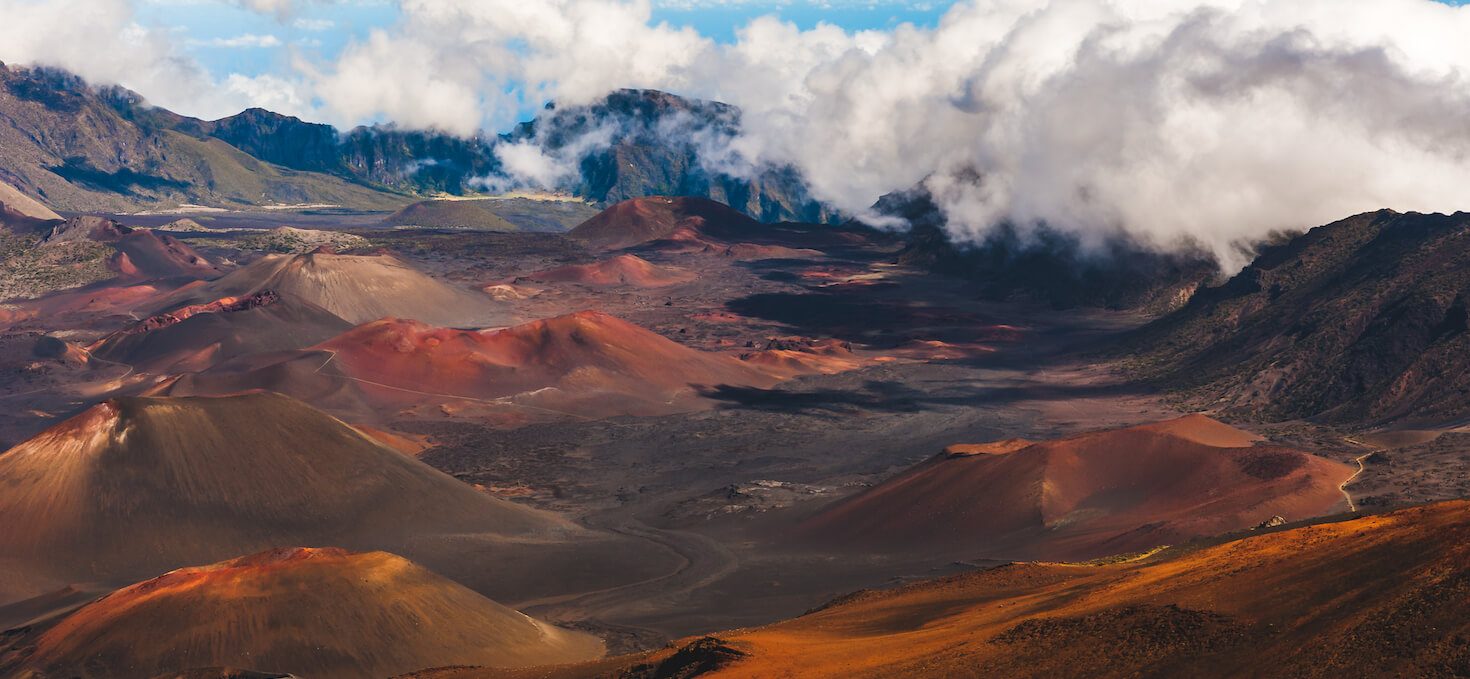
Pu’u ‘Ula’ula Summit
The highest point features a 360-degree view of the crater and clouds, ideal for wide-angle shots.
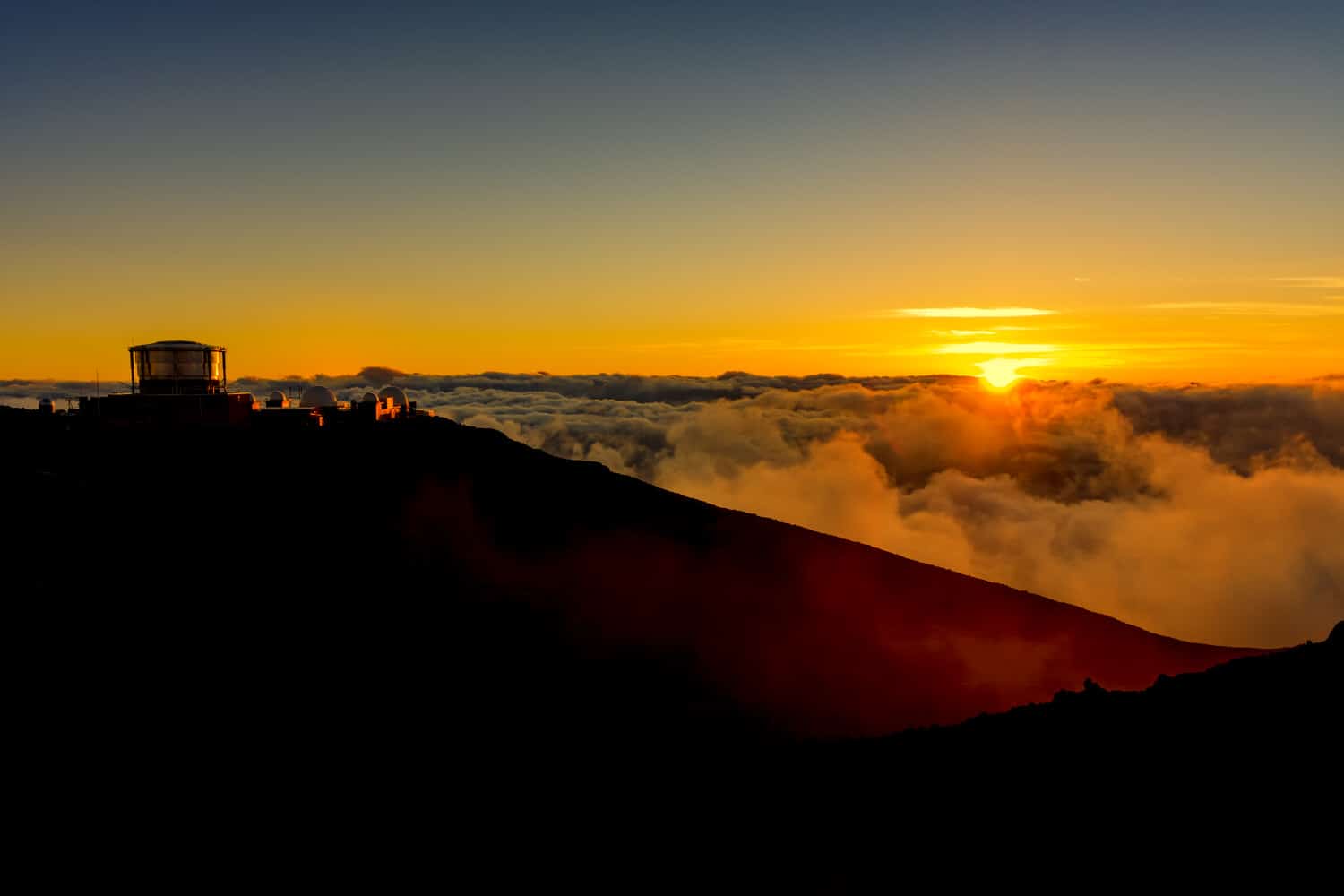
Haleakalā Visitor Center Overlook
Located near the parking area, this spot provides a clear view of the western horizon and coastal line.
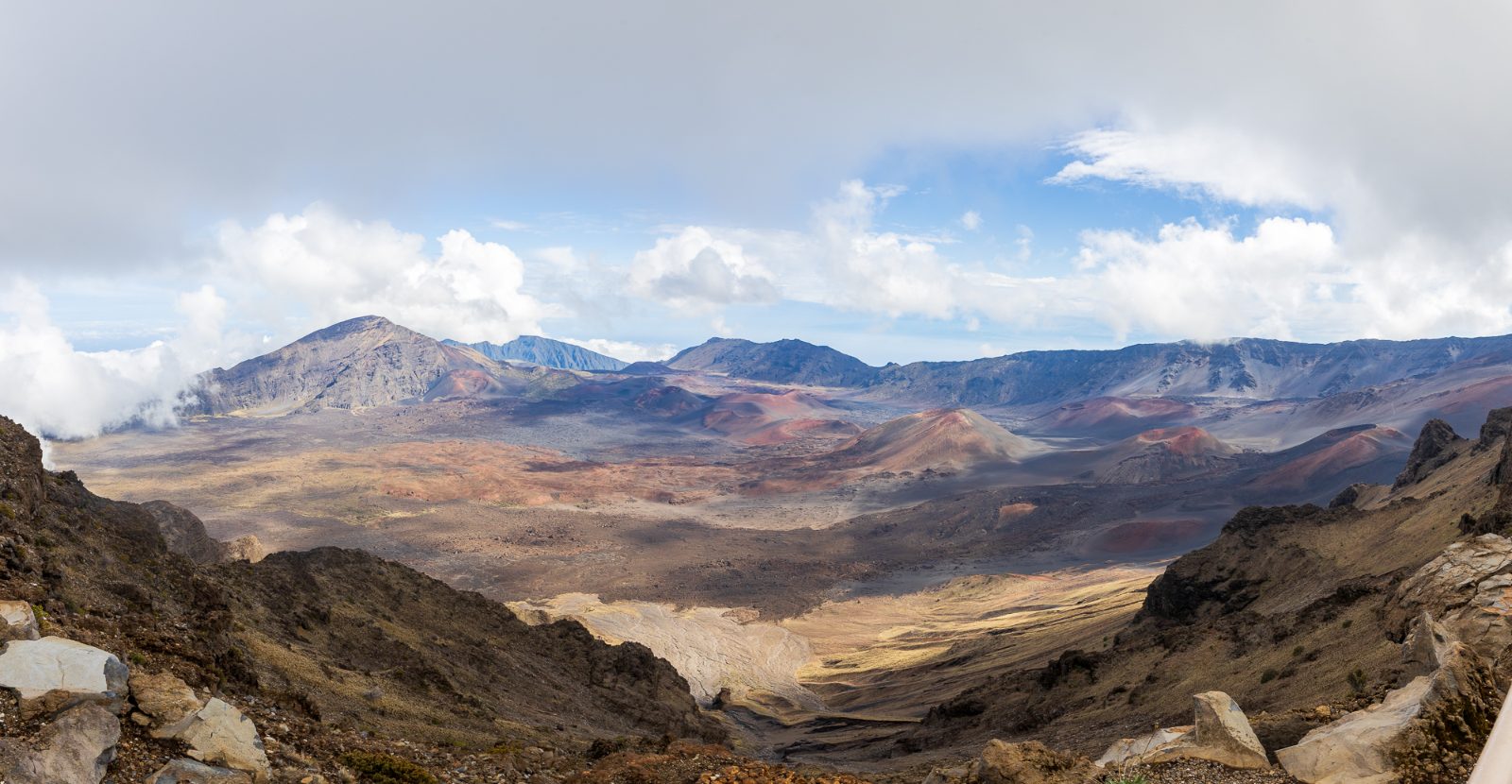
Leleiwi Overlook
This vantage point offers a view into the crater, often capturing the play of light on the cinder cones.
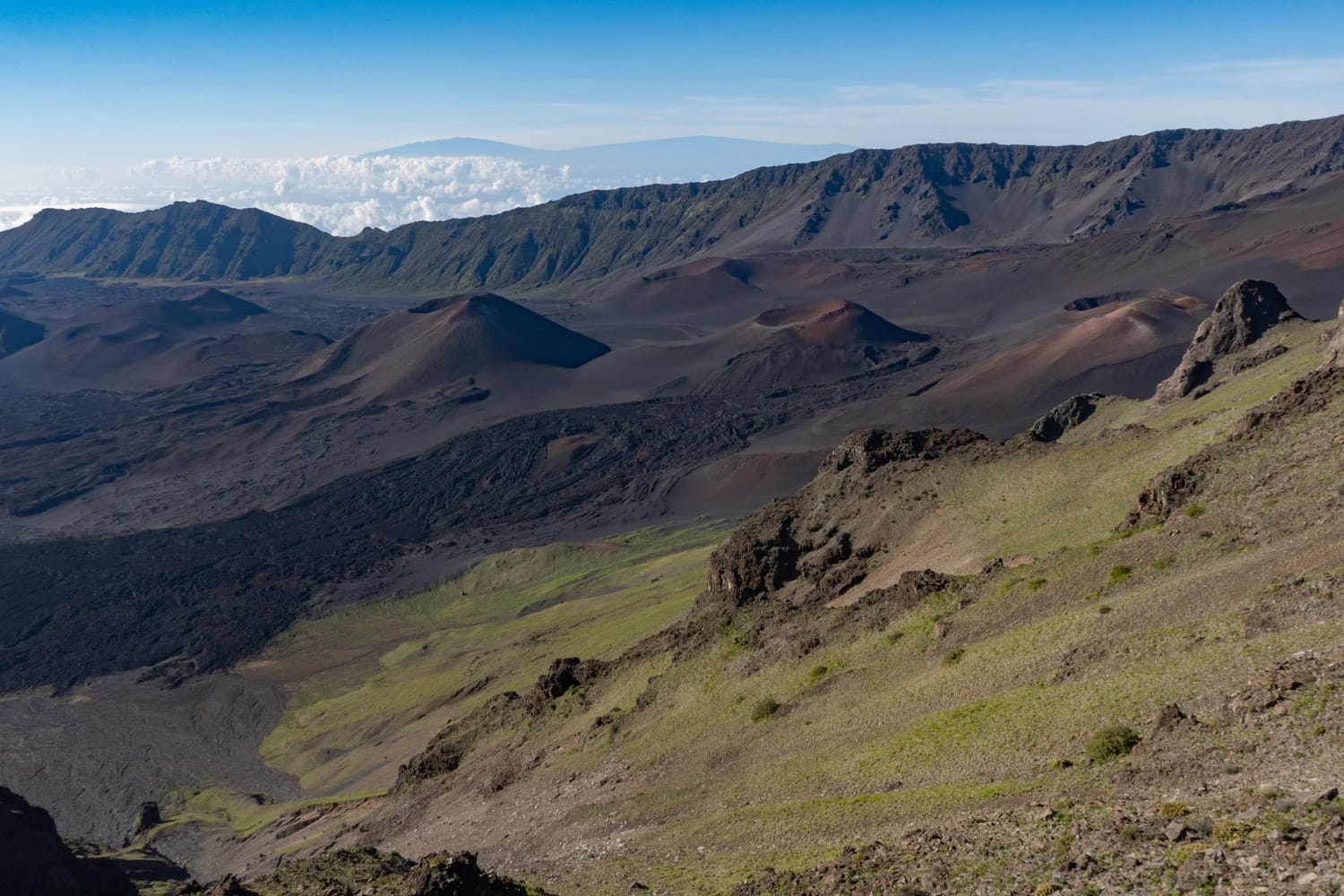
Kalahaku Overlook
Situated along the road, this location allows for close-up photography of the crater's unique geology.
Common Mistakes to Avoid With These Haleakala Sunset Tips
Visitors often underestimate the summit's harsh conditions and logistical demands. Avoid these pitfalls to make the most of your sunset experience.
Arriving 30 minutes before sunset
Park fills quickly. Arrive between 16:00–18:00 to secure parking and claim a viewing spot before the summit becomes crowded.
Wearing summer clothes to the 10,023-foot summit
Temperatures drop to 40°F or below at sunset. Bring insulated layers, windproof jackets, and gloves regardless of sea-level weather.
Ignoring altitude sickness symptoms at elevation
The thin air causes headaches, nausea, and dizziness. Ascend slowly, stay hydrated, and descend immediately if symptoms worsen.
Skipping the $30 entrance fee planning
The vehicle pass costs $30 and covers 3 days in both park districts. Pay at the entrance station or purchase online in advance to avoid delays.
Driving down immediately after sunset in darkness
The winding 38-mile descent is treacherous at night. Allow your eyes to adjust, use low beams to avoid blinding ascending drivers, and drive well below the speed limit.
Operational Schedule and Haleakala Sunset Tips
Haleakala National Park remains accessible 24 hours a day, allowing visitors to experience the sunset and stargazing opportunities throughout the week.
| Monday | 00:00–23:59 | |
|---|---|---|
| Tuesday | 00:00–23:59 | |
| Wednesday | 00:00–23:59 | |
| Thursday | 00:00–23:59 | |
| Friday | 00:00–23:59 | |
| Saturday | 00:00–23:59 | |
| Sunday | 00:00–23:59 |
Check availability
Frequently asked questions about haleakala sunset tips
Everything you need to know about haleakala sunset tips