

Quick answer
Wear insulated winter layers to Haleakala sunset: a base layer, fleece or down mid-layer, windproof jacket, long pants, and closed-toe shoes with grip for uneven lava rock. Summit temperatures average 40°F at sunset year-round, with wind chill often in the 30s. Bring a warm hat and gloves—the exposed crater rim offers no windbreak, and temperatures continue dropping after the sun sets.
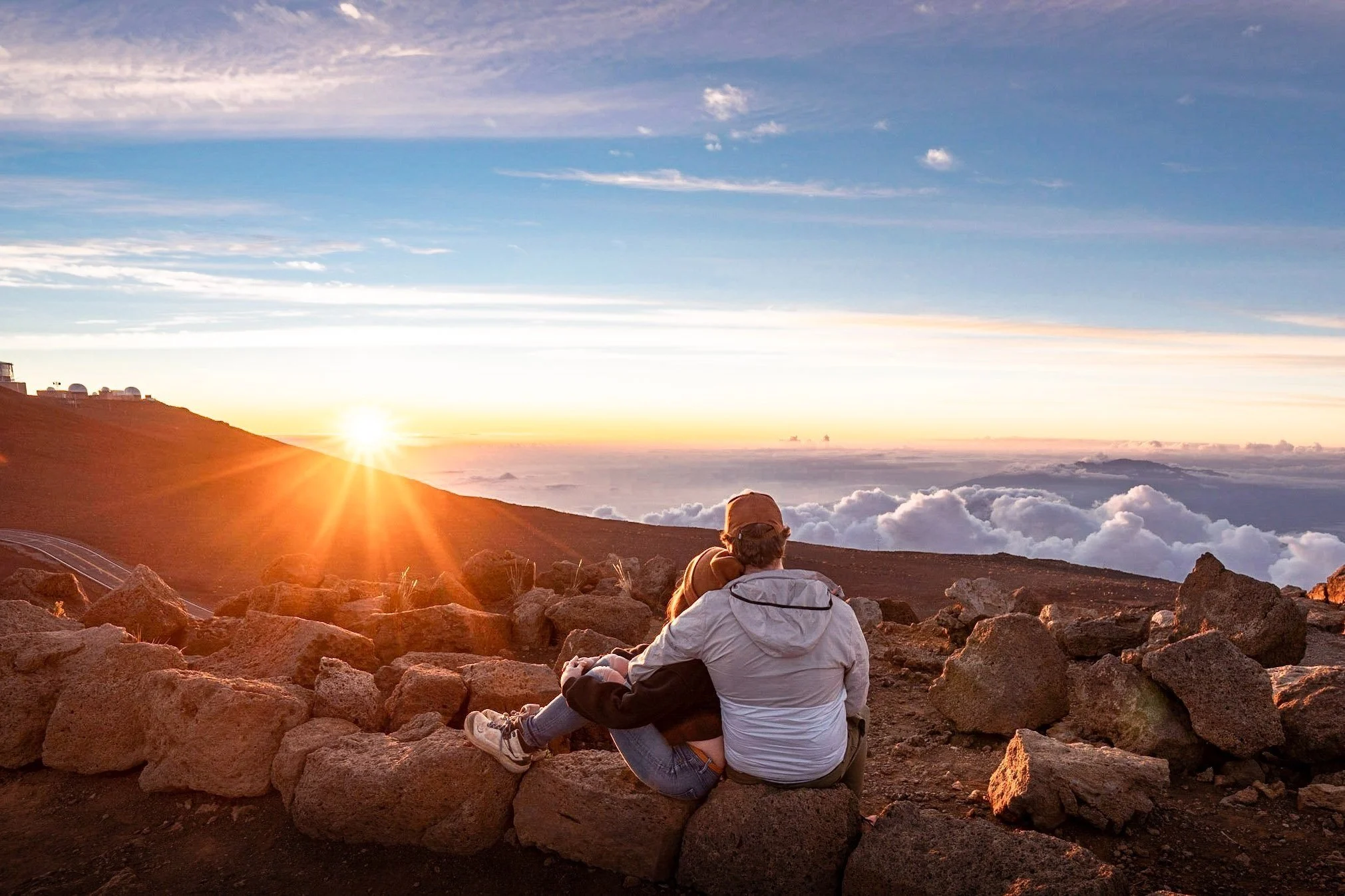
The summit district sits above the cloud line, where thin air and constant trade winds create alpine conditions regardless of coastal weather. Visitors ascending from sea-level Maui in shorts and sandals arrive unprepared for temperatures that require the same gear used at Rocky Mountain elevations. What to wear to Haleakala sunset starts with understanding the two-hour commitment. Most visitors arrive between 14:00 and 17:00 to secure parking before the main event. The sun sets between 17:45 and 18:30 depending on season, but the real cold begins in the thirty minutes afterward when alpenglow fades and residual warmth drains from the volcanic rock. A single cotton hoodie fails within minutes. The correct approach layers a moisture-wicking base against skin, an insulating mid-layer that traps body heat, and a windproof shell that blocks the 20–30 mph gusts sweeping across the crater rim. Synthetic or merino fabrics outperform cotton, which loses insulation when damp from exertion during the short walks between parking and viewpoints. Footwear matters as much as outerwear. The 30 USD entrance fee grants access to trails across aa lava fields—sharp, uneven surfaces that punish sandals and canvas shoes. Closed-toe hiking shoes or trail runners with aggressive tread prevent ankle rolls on the loose cinder paths leading to Puu Ulaula summit and the rim overlooks. Thin-soled shoes transmit cold from the rock within minutes of standing still. Gloves and a beanie transform comfort during the post-sunset wait. Most visitors linger twenty to forty minutes after the sun drops to photograph the shadow of Haleakala stretching across the clouds and the first stars emerging in the darkening sky. Hands go numb first without insulation. A small backpack carries extra layers and allows shedding the shell during the warmer drive up Crater Road, then re-layering at the summit without returning to the car. The park operates 24 hours daily, but no services exist above the 7,000-foot visitor center—pack everything before ascending the final switchbacks to the crater. Dressing for Haleakala sunset means preparing for high-altitude winter regardless of the calendar. The volcano's microclimate ignores Maui's tropical reputation.
“The summit district sits above the cloud line, where thin air and constant trade winds create alpine conditions regardless of coastal weather.”
Essential Gear: What to Wear to Haleakala Sunset
Summit temperatures drop 30–40°F after sunset, so layering is essential for comfort during your visit.
-
Pack a windproof jacket — Sustained winds at 10,000 feet can create harsh wind-chill conditions.
-
Bring insulated layers (fleece or down) — Temperatures regularly fall into the 40s after the sun sets.
-
Wear long pants, avoid shorts — Exposed skin loses heat rapidly in the high-altitude cold.
-
Bring a warm hat and gloves — Extremities are the first to suffer in dropping temperatures.
-
Wear closed-toe shoes with grip — Rocky, uneven terrain becomes harder to navigate in low light.
-
Consider a scarf or neck gaiter — Protects against wind and helps retain body heat.
Operational Hours for Haleakala Sunset Access
Haleakalā National Park remains open to visitors throughout the week. Access is available 24 hours a day to accommodate sunset viewing.
| Monday | 00:00–23:59 | |
|---|---|---|
| Tuesday | 00:00–23:59 | |
| Wednesday | 00:00–23:59 | |
| Thursday | 00:00–23:59 | |
| Friday | 00:00–23:59 | |
| Saturday | 00:00–23:59 | |
| Sunday | 00:00–23:59 |
Check availability
Frequently asked questions about what to wear to haleakala sunset
Everything you need to know about what to wear to haleakala sunset