9 hr
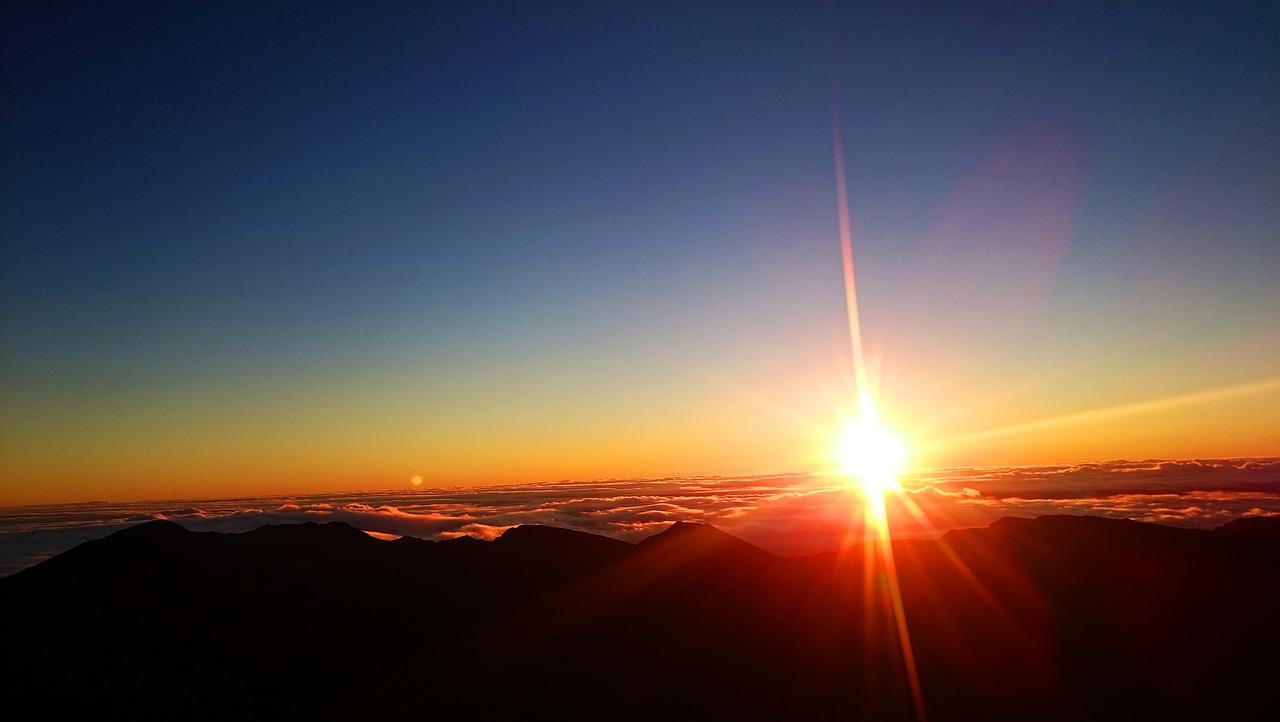
Haleakalā Summit Sunrise Experience with Breakfast
- Expert local guide
- Small group
- Skip-the-line access
- Free cancellation
Haleakala Sunset Tour with Stargazing — Summit & Evening Sky
Watch daylight drain from the crater rim, then trace constellations above the clouds.
Compare fares, pick the fit — all bookings are mobile-voucher and eligible for free cancellation where shown.
9 hr
8 hr
7 hr
Choosing a haleakala sunset tour with stargazing ensures you have professional transport and guidance for navigating the high-altitude terrain of this iconic Maui landmark. You may select between a fully serviced guided excursion or a self-paced audio-led experience for your Haleakalā National Park visit.
|
Top pick Guided Sunset Tour All-inclusive small group expedition |
Self-Guided Audio Tour App-based route and narration | |
|---|---|---|
| Transport Provided | Included (hotel pick-up) | Not included (your own vehicle) |
| Park Entrance Fee | Included (30 USD value) | Paid separately at entrance |
| Expert Guidance | Live certified interpretive guide | Audio narrative/storytelling |
| Gear/Amenities | Warm clothing and telescopes | Not included |
| Wait Time Strategy | Optimized with local knowledge | Must arrive 3 hours early |
| Best for | First-timers seeking comfort | Independent travelers with a car |
| See tickets & prices |
Verdict: For a seamless and relaxing haleakala sunset tour with stargazing tickets, choose the guided expedition to enjoy included amenities and expert local insight.
Worth it for clear-weather evenings only
A haleakala sunset tour with stargazing delivers value when atmospheric conditions cooperate—you're positioned at 10,023 feet above sea level, frequently above the cloud layer that obscures coastal vantage points. The Haleakalā Sunset & Dinner Experience pairs summit viewing with a meal, while the Haleakalā Sunset Small-Group Tour with Snacks & Photos emphasizes the astronomical component with dedicated stargazing time after dark. The high-elevation environment offers minimal light pollution and stable air, conditions that ground-level Maui locations cannot replicate. Tour packages handle the 90-minute winding drive and provide cold-weather gear—summit temperatures drop 30°F below sea level after sunset. Independent visitors pay the $30 park entrance fee but must secure their own transportation and arrive three hours early to guarantee parking; guided haleakala sunset tour with stargazing options streamline logistics for travelers prioritizing convenience over cost control. The experience hinges entirely on weather—cloud cover or high winds eliminate both sunset visibility and stargazing potential, with no refund mechanism for natural conditions.
Bottom line: Book haleakala sunset tour with stargazing tickets only when forecast shows clear skies and low winds at the summit—the elevation advantage is wasted in bad weather.
Choosing between these experiences comes down to your preference for sleep and celestial viewing versus the iconic dawn light; most visitors prefer thehaleakala sunset tour with stargazing for a more relaxed pace and superior evening visibility.
|
Top pick Sunset & Stargazing |
Sunrise Experience | |
|---|---|---|
| Reservation Required | None (Parking based) | Required (Advance booking) |
| Crowd Levels | Moderate | High peak demand |
| Temperature | Cold (after dark) | Very cold (pre-dawn) |
| Visibility | Clear evening skies | Variable morning clouds |
| Optimal Time | 15:00–18:00 arrival | 03:00–06:00 arrival |
| Stargazing Opportunities | High availability | Minimal due to daylight |
| See tickets & prices |
Verdict: Securing haleakala sunset tour with stargazing tickets provides a predictable evening itinerary, whereas the sunrise tour remains a competitive gamble that requires early planning.
Hand-picked experiences loved by thousands of travelers
5 hours
Free Cancellation
Watch the sun dip below the clouds from 10,000 feet on an intimate summit adventure with refreshments included
12 hours
Free Cancellation
Journey from volcanic peaks to lush valleys while tasting island flavors and locally crafted spirits
7 hours
Free Cancellation
Trek across two trails on Maui's dormant volcanic summit, exploring otherworldly landscapes and native flora
75 minutes
Free Cancellation
Walk alongside friendly llamas at 3,500 feet elevation as golden hour transforms Maui's upcountry landscape
9 hours
Free Cancellation
Watch dawn break from a volcanic summit nearly 10,000 feet above the Pacific on this full-day Maui adventure
45 minutes
Free Cancellation
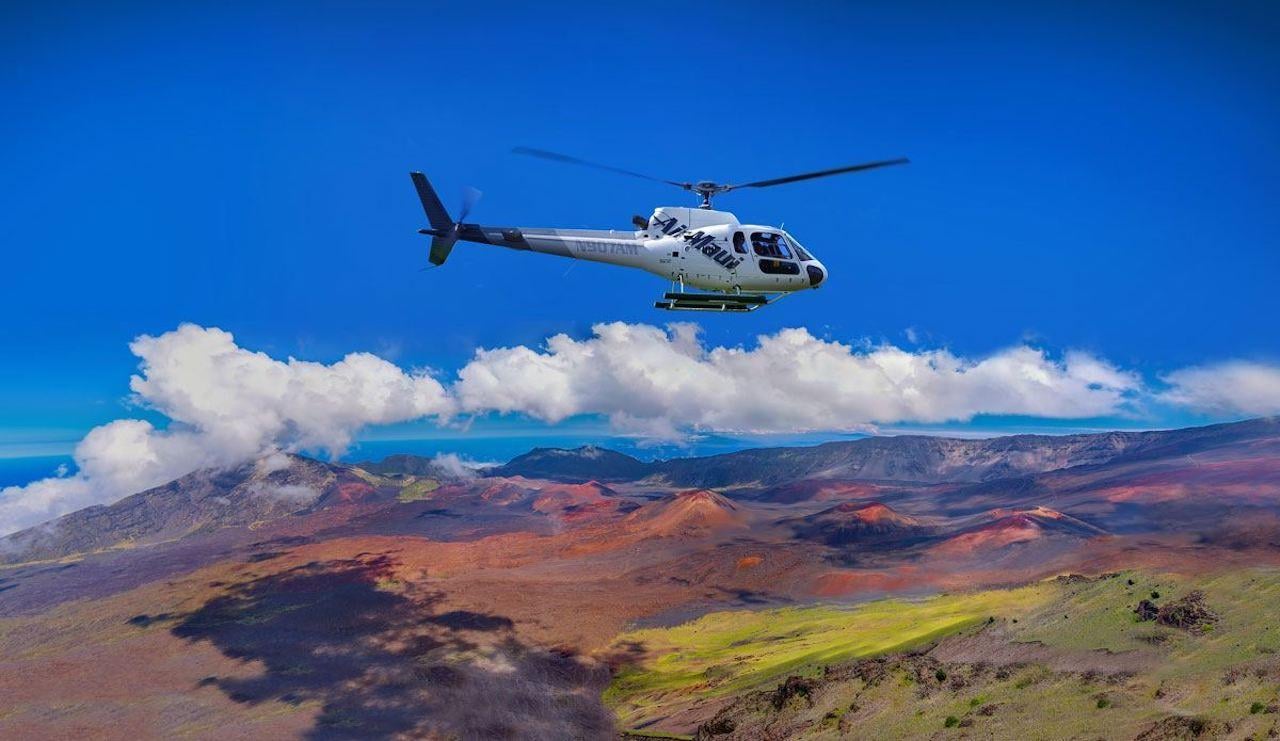
Soar above Maui's dormant volcanic crater and lush tropical forests on an unforgettable aerial journey.
7 hours
Free Cancellation
Journey to Haleakalā's peak for an unforgettable sunset, with stops at turtle beaches and artisan studios
7 hours
Free Cancellation
Witness a stunning volcanic summit sunset while discovering the cultural and natural legacy of Maui's iconic peak
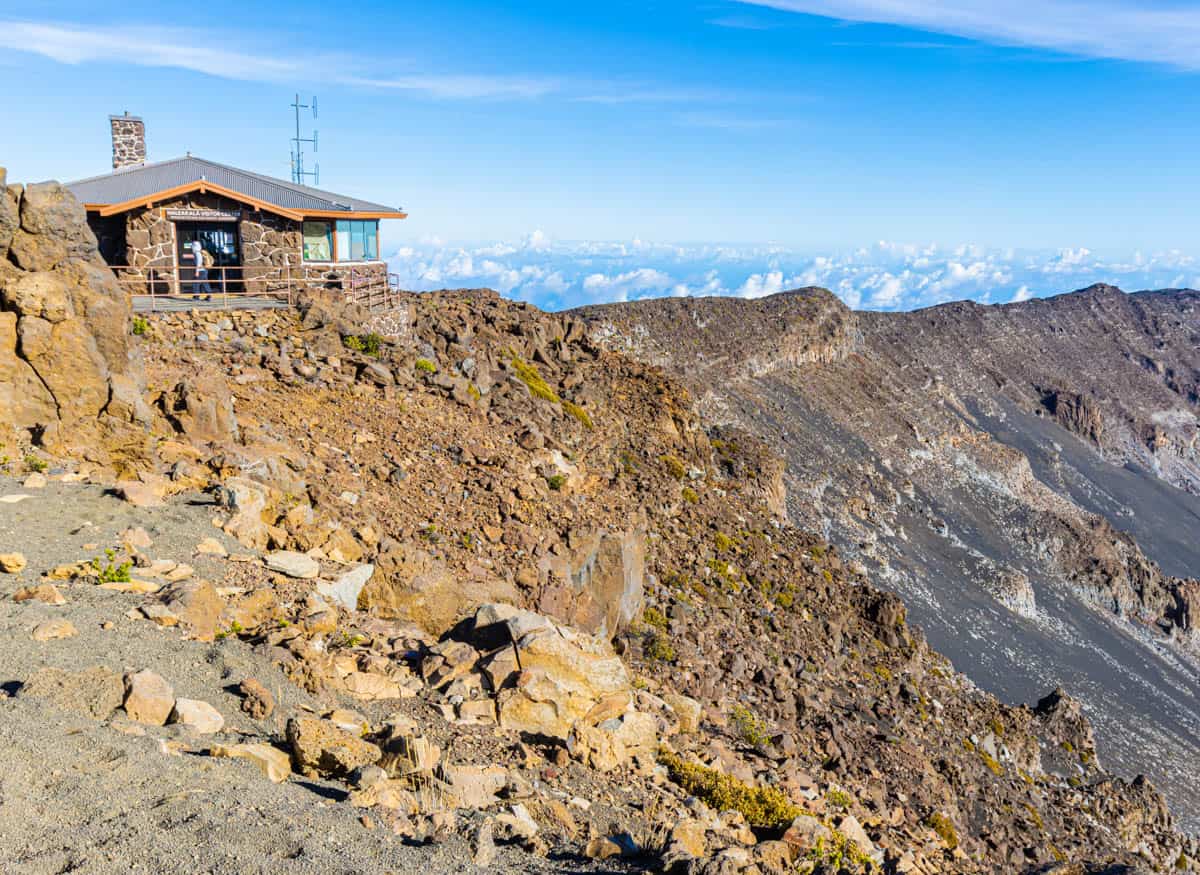
The primary hub for summit information, offering immediate views of the crater rim and access to nearby viewing paths.
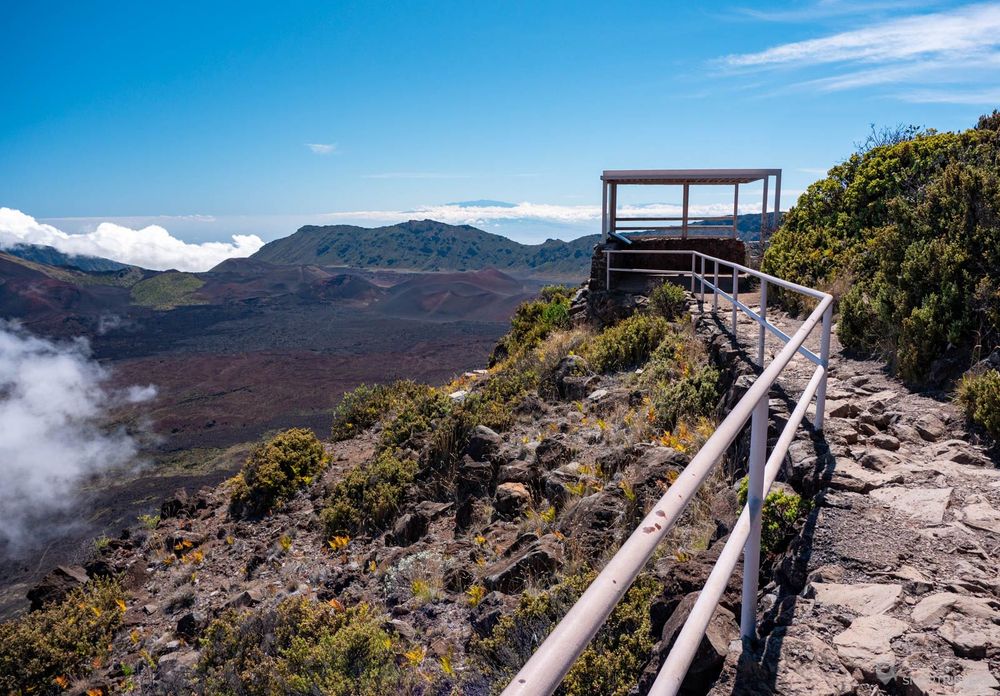
A short, accessible path near the visitor center that provides a vantage point over the interior of the volcano.
The highest accessible point at 10,023 feet, ideal for 360-degree views of the islands.
A short trail featuring crater views and a common spot to watch cloud formations beneath the summit elevation.
A unique forest area located at 6,800 feet, featuring rare plants and birds, often used as a stop before reaching the summit.
You leave Kahului or Kihei three hours before sunset, climbing the switchbacks of Crater Road as sugarcane fields give way to eucalyptus groves and finally to barren volcanic rock. At 7,000 feet, you enter the cloud layer—moisture beads on the windshield, then evaporates as you break through into clear air.
The summit parking area fills quickly; you arrive with time to walk the half-mile Pā Ka'oao Trail along the crater's western rim.
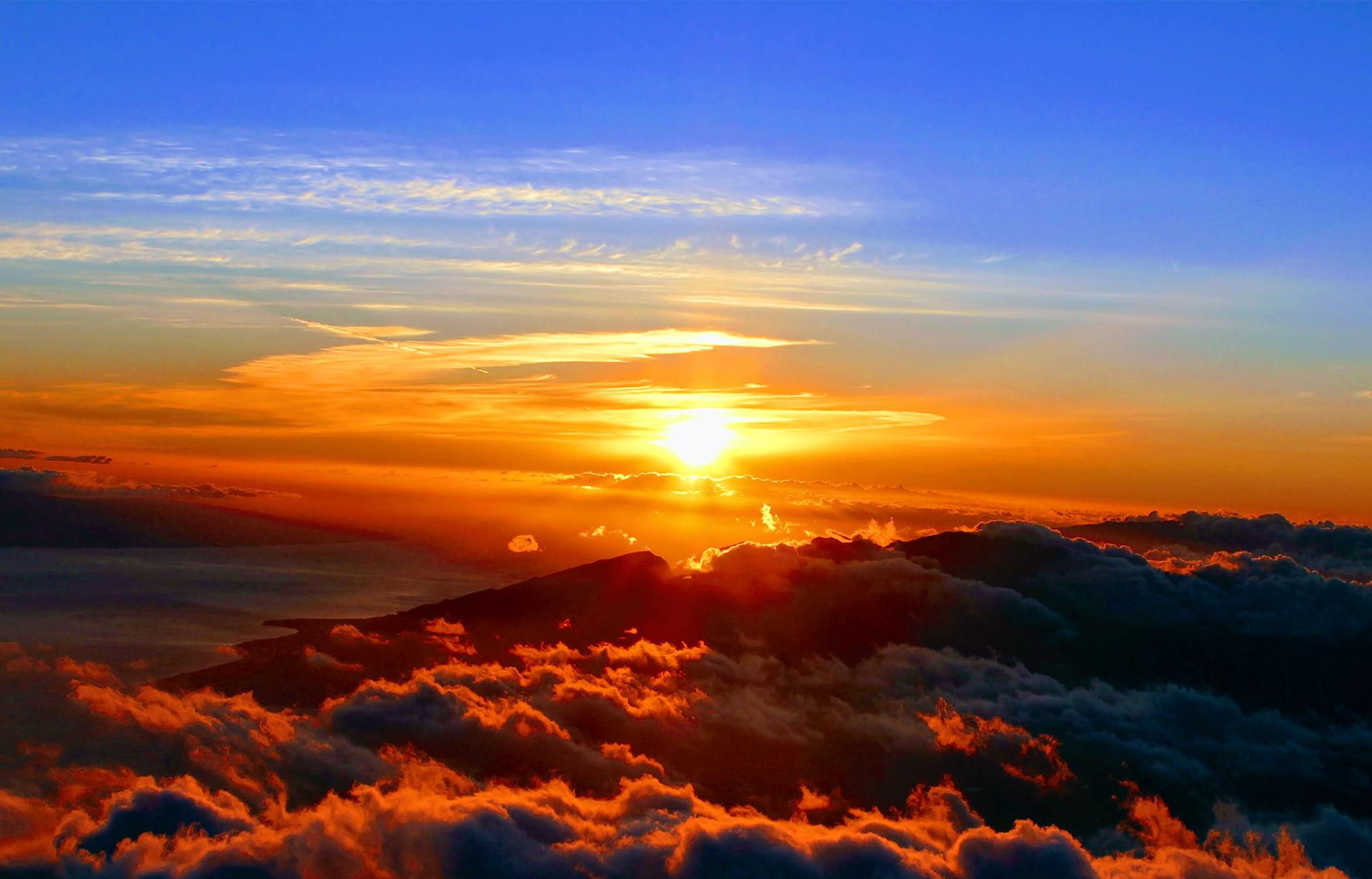
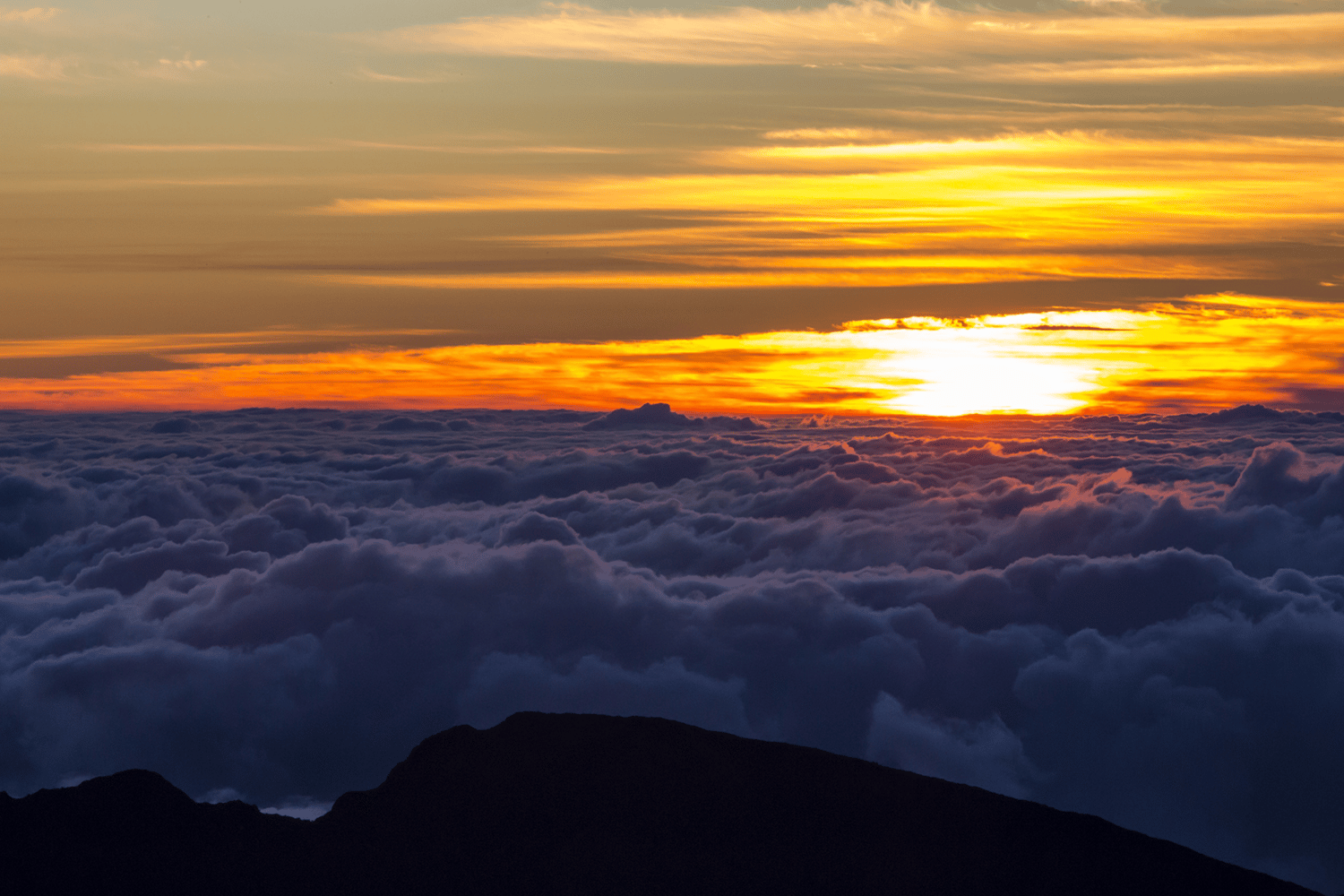
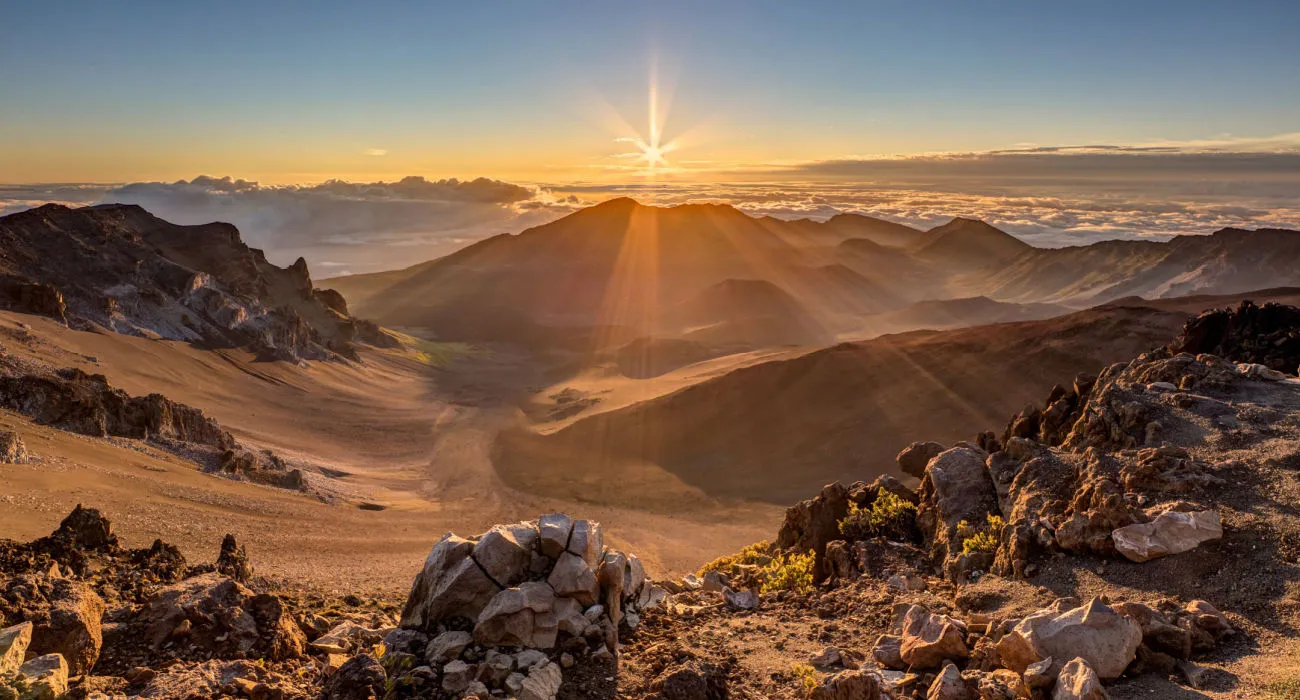
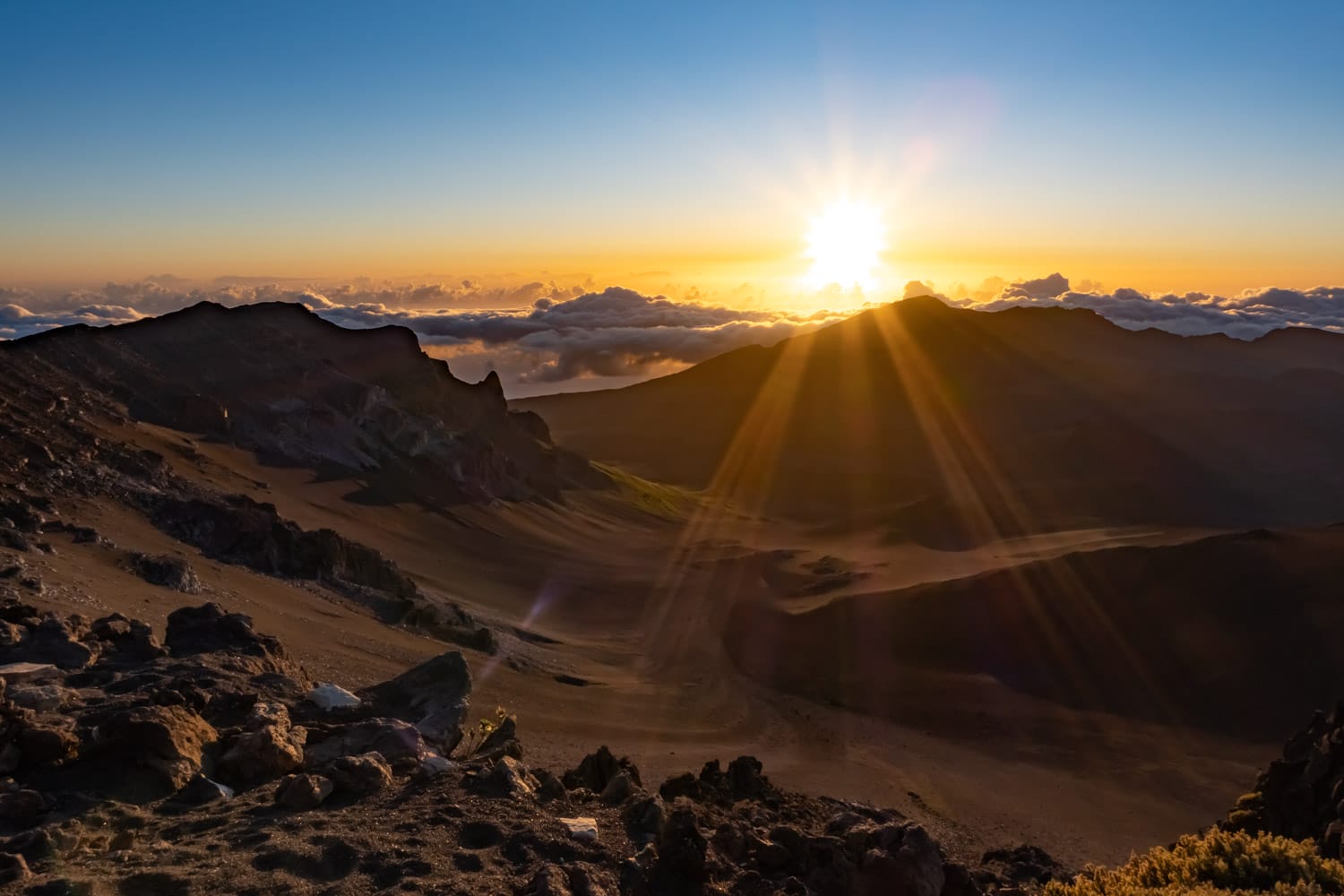
Sunset unfolds in stages. First, the light turns golden across the cinder cones below. Then the sky deepens to orange and pink while the crater floor sinks into blue shadow. You watch the sun touch the horizon, then slip below the cloud deck that now glows from beneath. Temperature drops fifteen degrees in ten minutes. You return to the vehicle for jackets, then walk back to the overlook as the first stars appear.
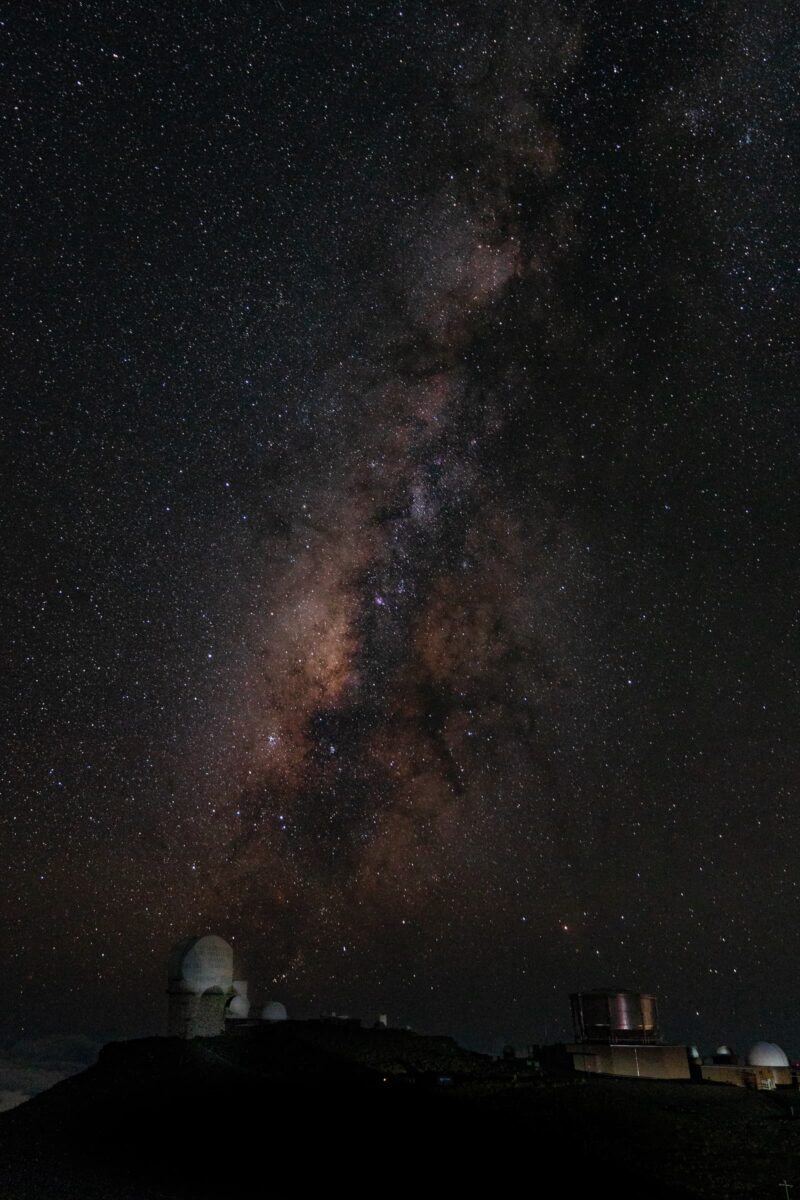
Twilight lasts twenty minutes at this latitude. As darkness settles, the Milky Way emerges directly overhead—a dense river of light you can trace from horizon to horizon. Your guide points out the Southern Cross, low on the southern horizon and invisible from the mainland United States. Jupiter hangs bright above the crater's eastern rim. You spend an hour scanning the sky, then begin the descent as other vehicles snake down the mountain, headlights marking the road's curves all the way to the coast.
All the details about your upcoming adventure in one place
The summit of Haleakalā rises 10,023 feet above sea level, high enough that visitors stand above forty percent of Earth's atmosphere. Mark Twain called the crater sunrise "the sublimest spectacle" he had ever witnessed, but the volcano's evening transformation remains equally arresting.
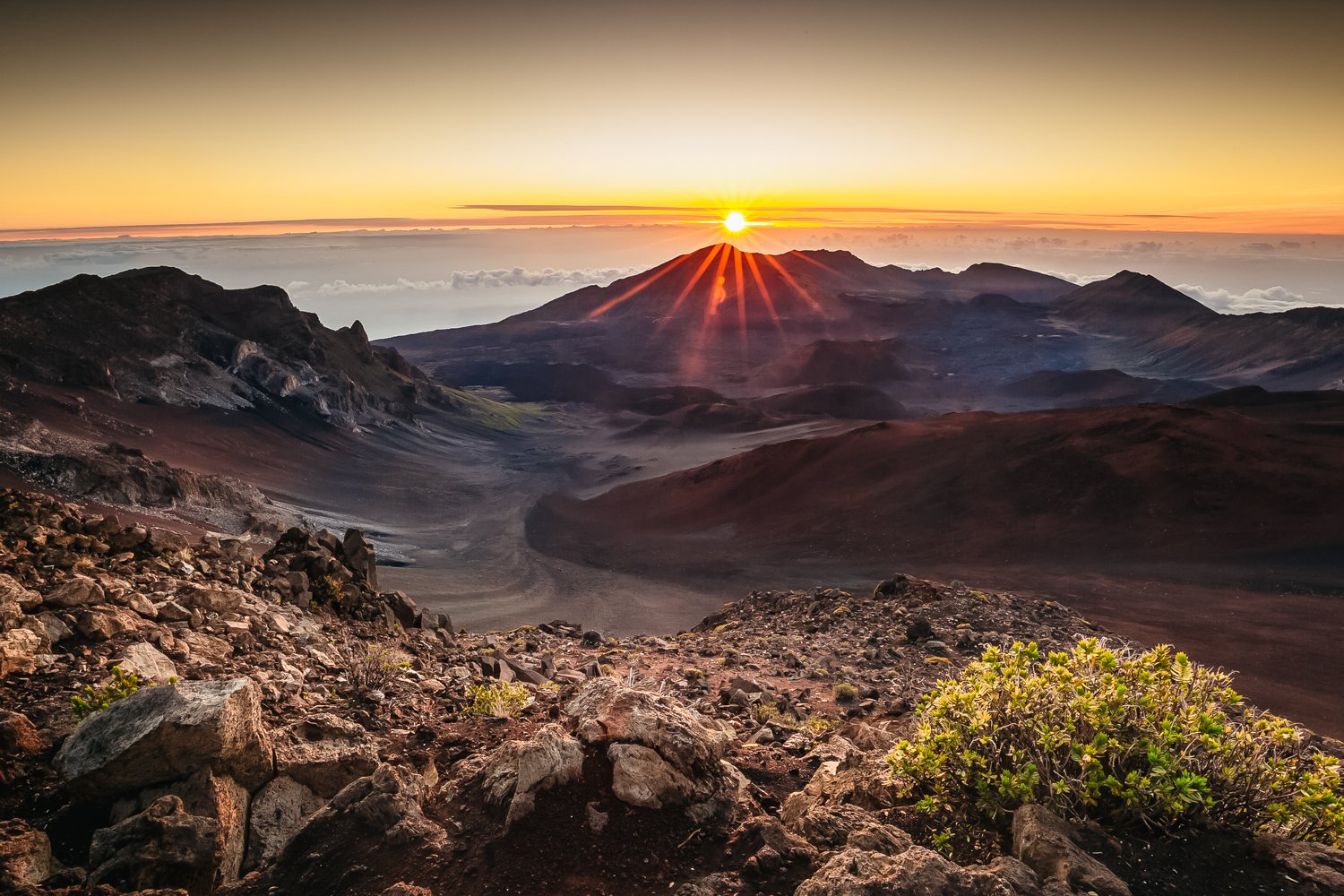
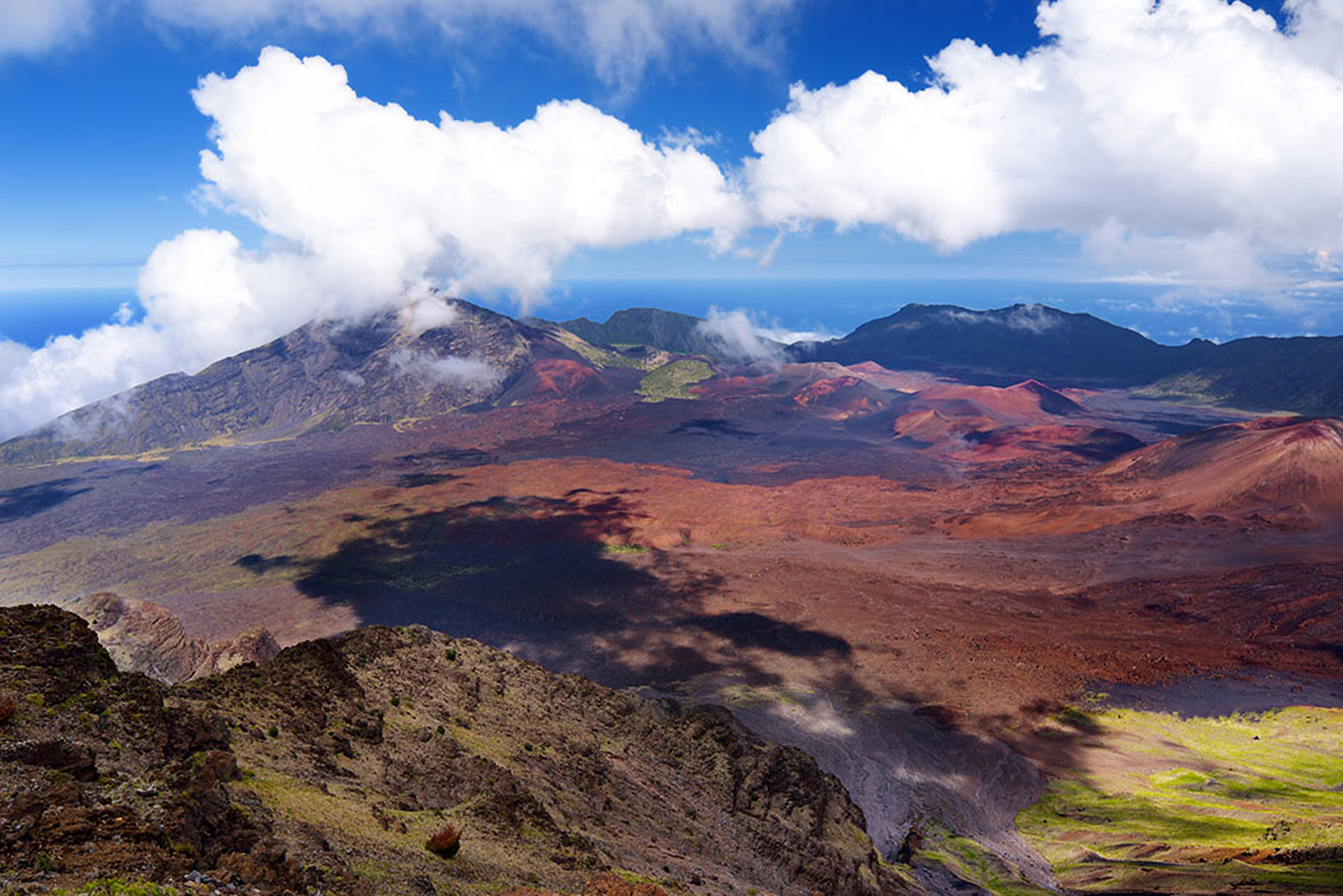
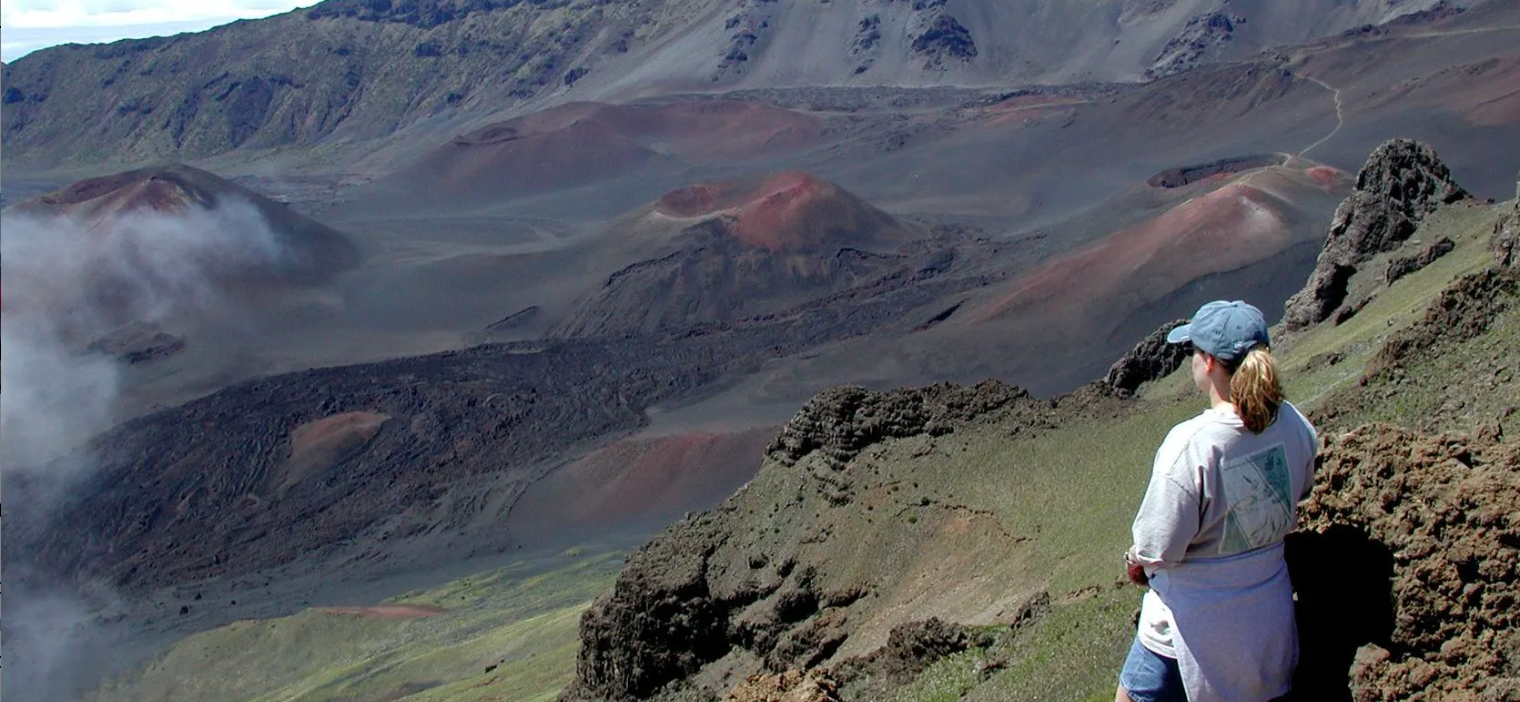
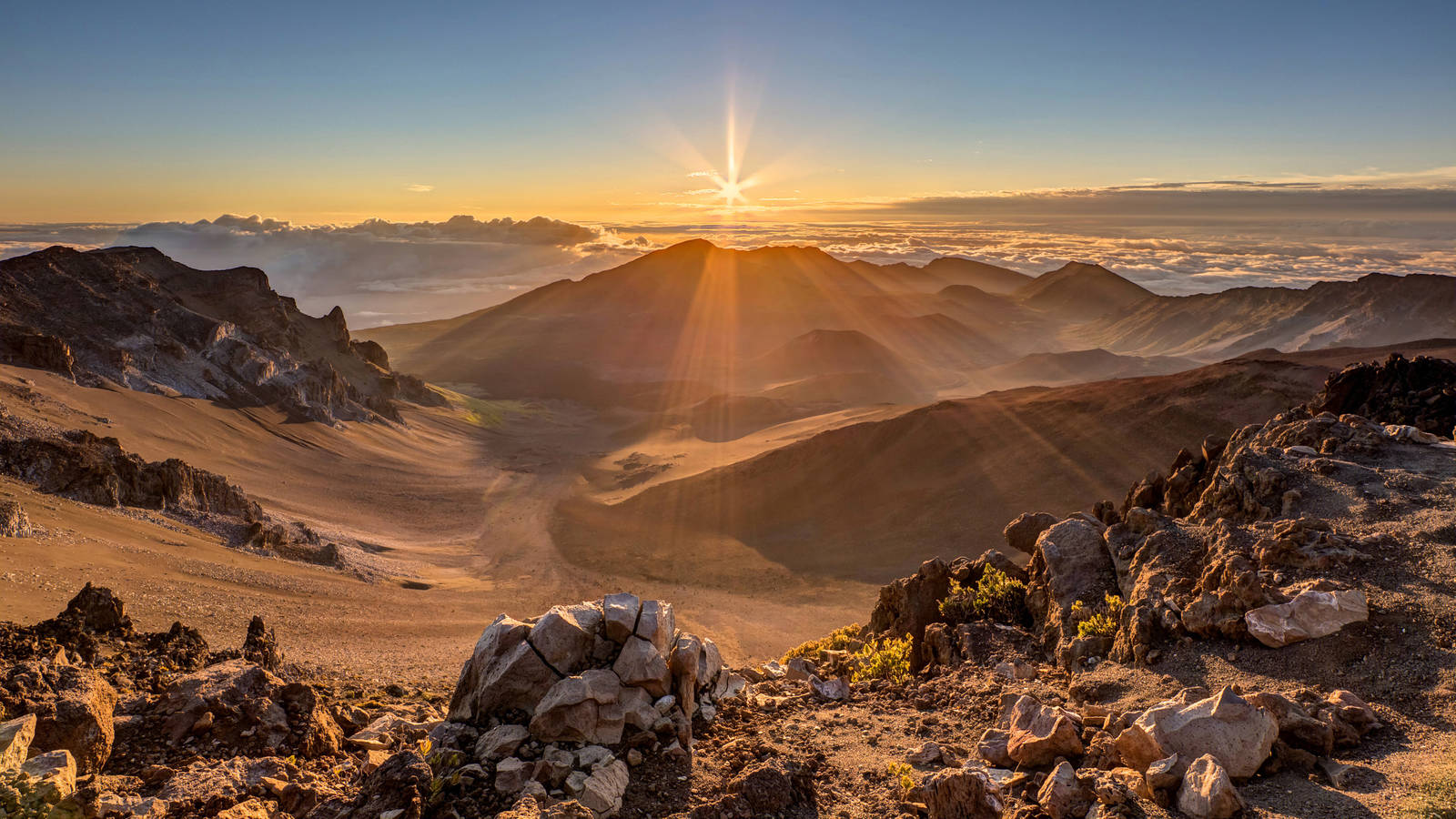
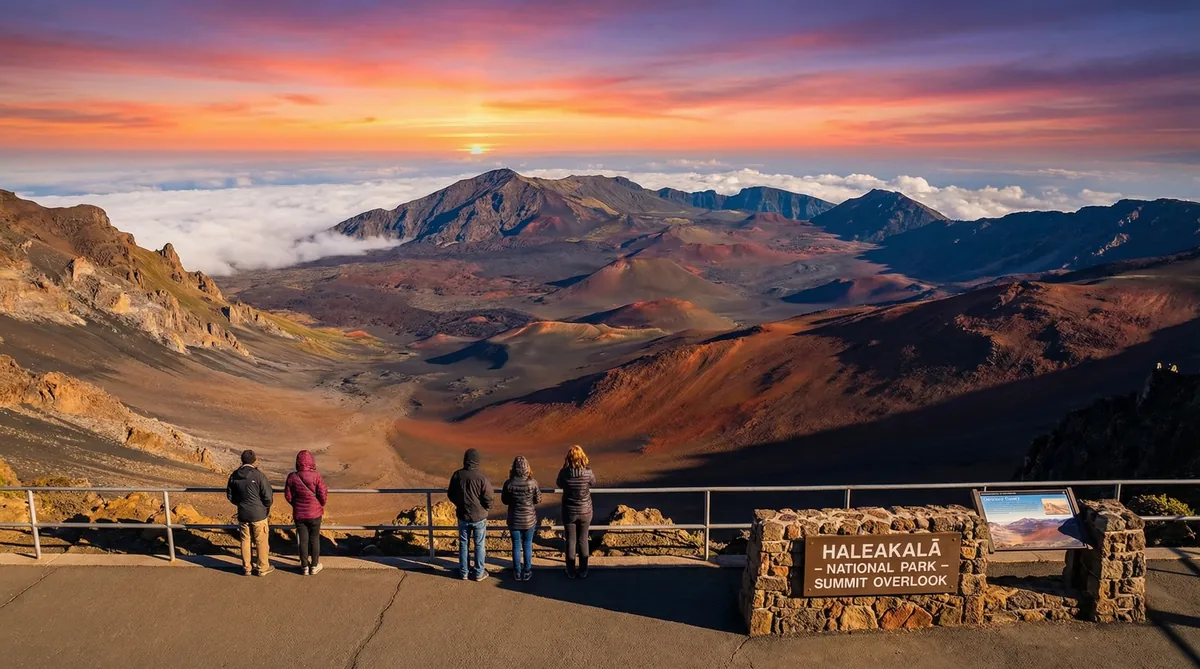
As the sun drops toward the Pacific, the dormant crater—seven miles across and 2,600 feet deep—fills with shadow while the sky above cycles through copper, violet, and indigo.
Haleakalā National Park protects 33,265 acres of volcanic landscape that Native Hawaiians call the House of the Sun. According to legend, the demigod Maui lassoed the sun from this summit to slow its passage across the sky and lengthen the day for his mother's kapa cloth to dry. The volcano last erupted between 1480 and 1600, leaving behind cinder cones, lava flows, and a high-altitude desert where silversword plants bloom once in their lifetimes before dying. The summit area receives designation as an International Dark Sky Park, one of fewer than two hundred worldwide, because light pollution from coastal Maui dissipates before reaching the crater rim.
Evening access to the summit requires advance planning. Park officials close entry when parking reaches capacity, typically two to three hours before sunset during peak seasons. The summit temperature drops thirty to forty degrees below sea level readings, and winds frequently exceed thirty miles per hour after dark. Visitors ascending from beach level cross five climate zones in forty minutes, moving from tropical coast through ranchland and cloud forest to alpine tundra. The summit's thin air holds less oxygen than lowland Maui, and altitude sickness affects roughly fifteen percent of visitors within the first hour.
Stargazing from the crater rim reveals celestial objects invisible at lower elevations. The Milky Way's galactic core stretches visibly overhead between April and October, while winter months bring Orion and the Pleiades into sharp focus. Astronomers operate research telescopes on the adjacent summit of Pu'u 'Ula'ula, where atmospheric clarity allows observation of deep-space phenomena year-round.

The summit of Haleakalā rises high enough that visitors stand above forty percent of Earth's atmosphere.
The summit reaches 10,023 feet, where temperatures are 30°F cooler than at sea level. Wear multiple warm layers, a heavy jacket, gloves, and a hat to stay comfortable during a haleakala sunset tour with stargazing.
Standard personal bags are permitted. Security personnel may inspect vehicles at the entrance of Haleakala National Park.
Tripods are permitted for night sky photography. Be mindful of others and avoid using bright white lights that disturb the dark-sky environment during your haleakala sunset tour with stargazing.
Families should prepare children for altitude changes and cold conditions. The haleakala sunset tour with stargazing is best for older children capable of enduring long, stationary observation periods.
The Haleakala Visitor Center viewing area is paved and accessible. Most natural trail surfaces are rocky and uneven.
There are no food or drink concessions within the Summit District of Haleakala National Park. You must carry all necessary water and snacks.
Operating Hours
00:00–23:59
Address
Haleakala National Park, Maui, HI 96768, USA
Accessibility
Summit district viewing areas are ADA accessible
Best Arrival Window
15:00–18:00
Storage
No lockers available on-site
Navigation
Use Crater Road to reach the summit
Tours often require cancellation 48–72 hours in advance for a full refund. Park entrance fees of 30 USD per vehicle are generally non-refundable if purchased directly through the National Park Service.
Recommended time
6-8 hours
To experience a full haleakala sunset tour with stargazing, visitors should plan for a significant time commitment within the summit district. Arrive 3 hours before sunset to ensure parking and avoid being turned away at capacity, as the golden hour brings high volumes of visitors to the volcano slopes. Selecting haleakala sunset tour with stargazing tours allows for a managed transition from the twilight summit views into deep night observation. Those securing haleakala sunset tour with stargazing tickets should anticipate a gradual departure process as crowds thin significantly once celestial viewing concludes.
Crowd levels through the day
Haleakalā's summit has drawn observers for centuries, but organized haleakala sunset tour with stargazing excursions emerged only after the park's 1961 establishment. Early visitors reached the 10,023-foot crater rim on rough trails, camping overnight to witness dawn breaking over the volcanic caldera. The National Park Service formalized access roads by 1935, yet nighttime programs remained sporadic until the 1980s. Commercial operators began pairing sunset viewing with telescope sessions in 1992, capitalizing on Maui's designation as the first International Dark Sky Place candidate in the Pacific. The modern stargazing infrastructure took shape after 2000, when the Science City observatory complex expanded atop the summit. Tour companies negotiated permits to position portable telescopes below the 10,000-foot line, avoiding light pollution from research facilities while maintaining safe elevations for guests. A 2003 capacity crisis forced the park to implement reservation quotas during peak months, limiting vehicles to 150 per sunset window. Hurricane Iniki's 1992 damage to access roads delayed evening programs for two years, pushing operators to develop alternative staging sites at the 7,000-foot elevation. Conflict between Native Hawaiian cultural groups and commercial astronomy projects shaped modern haleakala sunset tour with stargazing tickets availability. The 2015 Thirty Meter Telescope protests on the Big Island prompted Haleakalā managers to restrict summit access after dark, redirecting tour groups to designated stargazing zones at Kalahaku Overlook. Today's tours blend Polynesian navigation astronomy—using stars like Hōkūleʻa and Makaliʻi—with telescope observation of planets and deep-sky objects. The park's 2019 infrastructure upgrades added paved pullouts and interpretive panels explaining both Western and indigenous celestial traditions, accommodating the 300,000 annual visitors who now book sunset-to-stars experiences through permitted operators.
Haleakalā becomes part of Hawaiʻi National Park alongside Kīlauea volcano.
Haleakalā designated as separate national park with expanded summit protections.
First commercial tour operators pair sunset viewing with telescope stargazing sessions.
Park institutes vehicle reservation system after sunset crowd capacity exceeded safety limits.
Summit access restrictions implemented following cultural protests over observatory expansion.
New stargazing overlooks and interpretive panels installed below the 10,000-foot line.
Position yourself near the visitor center railings to capture the wide-angle vista of the volcanic cinder cones as the sun dips below the cloud line. This vantage point provides the clearest horizon for those joining a haleakala sunset tour with stargazing.
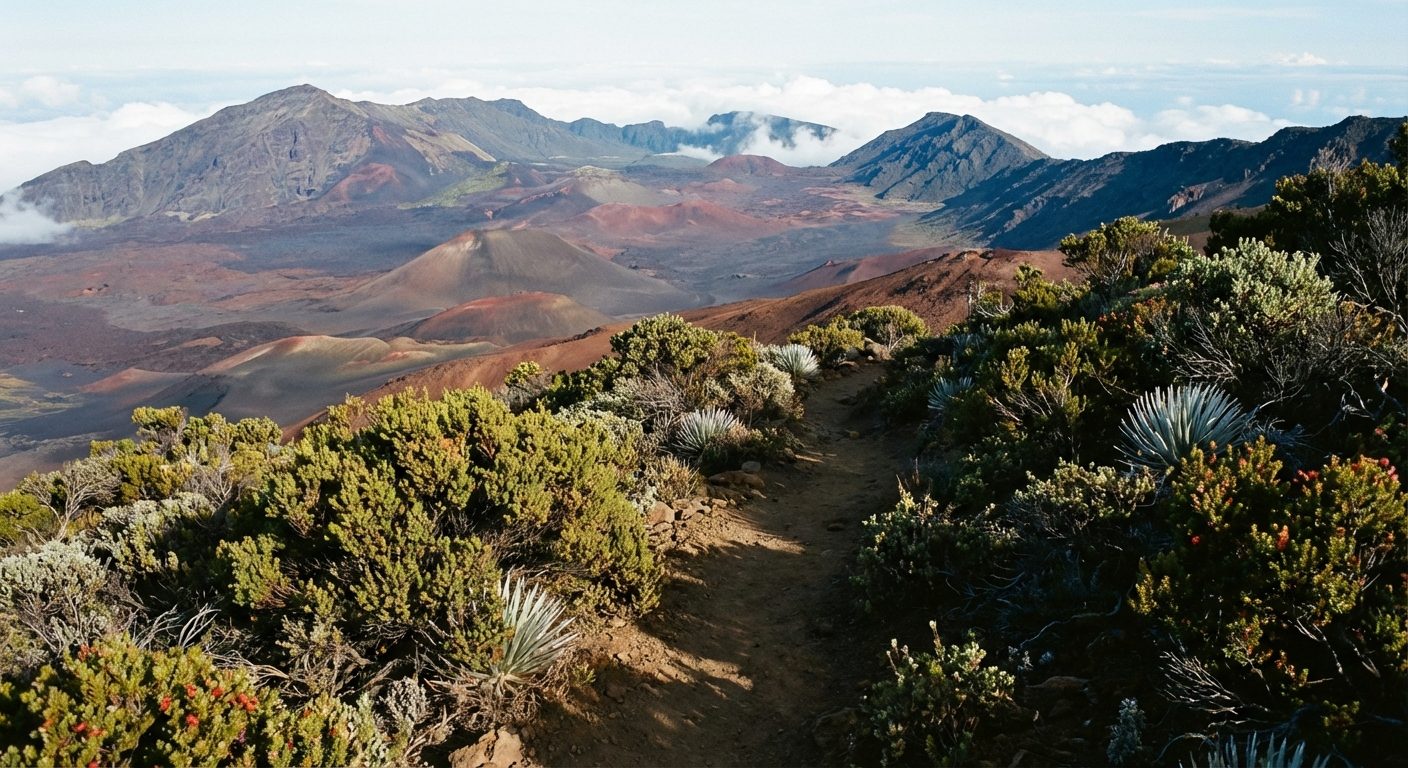
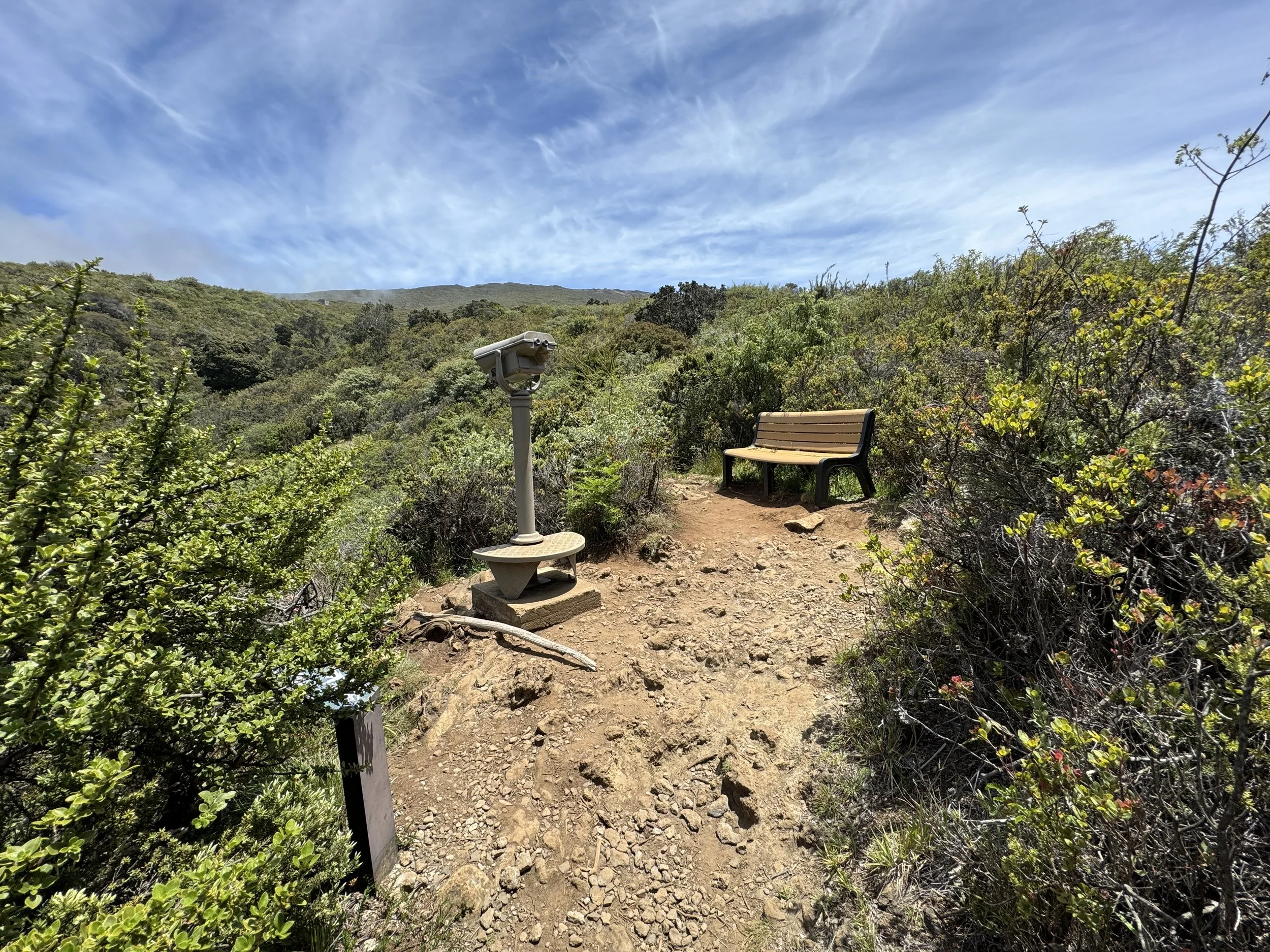
Follow the trail a short distance from the parking area to find rocky foreground elements that add depth to your low-light landscape compositions. Photographers seeking haleakala sunset tour with stargazing tours often use these volcanic textures to frame the Milky Way once night falls.
This viewpoint offers a dramatic perspective of the crater floor and is ideal for capturing the transition from sunset colors to deep blue astronomical skies. It remains a popular stop for individuals holding haleakala sunset tour with stargazing tickets to observe the celestial expanse.
Standing at this higher elevation allows for expansive shots of the vast, rugged caldera walls that define the Haleakala landscape. Visitors on a guided haleakala sunset tour with stargazing tour can frame the geological formations against the emerging stars.
Visiting with children requires careful planning for the high-altitude environment and changing temperatures during a haleakala sunset tour with stargazing. Families should prepare for a long, sedentary evening in the summit crater district where facilities are limited.
Expect a slow-moving experience, as the best arrival window is 15:00–18:00 to ensure parking and avoid being turned away at capacity. This allows you to settle in comfortably before your haleakala sunset tour with stargazing tour begins.
Leave the stroller behind, as the rocky, uneven volcanic terrain at the summit is not suitable for wheels. Use a high-quality child carrier instead to navigate the observation areas safely during your haleakala sunset tour with stargazing tours.
There are no drinking fountains or food services at the summit, so bring all necessary supplies and water for your group. Restrooms are available, but ensure young children use them before you find your viewing spot for the haleakala sunset tour with stargazing tickets.
This activity is best suited for children aged six and older who can handle cold temperatures and quiet, extended periods of observation. Younger children may struggle with the altitude and the long wait between sunset and the celestial viewing portion of the Maui mountain tour.
Pack plenty of high-energy snacks and warm beverages, as you will be stationary for several hours after dark. Since the summit is a protected ecosystem, ensure all trash is packed out to maintain the integrity of this volcanic landmark.
Dining options are extremely limited within the summit district, so most travelers planning a haleakala sunset tour with stargazing prepare by packing meals or dining in Upcountry Maui before the ascent. Since there are no restaurants inside the park, visitors rely on nearby establishments in Kula or Makawao to fuel up before their Maui celestial observation tour.
Located on the slopes leading to the park, this restaurant offers panoramic views and hearty American fare. It serves as a popular stop for those holding haleakala sunset tour with stargazing tickets who prefer a sit-down meal before the drive up.
A charming spot in Kula known for pastries and savory lunch plates perfect for grabbing supplies. This is an ideal location for travelers seeking a lighter pre-departure meal before joining their haleakala sunset tour with stargazing tours.
A historic coffee shop in Keokea offering sandwiches and locally grown coffee. It provides a relaxed atmosphere for those finishing their haleakala sunset tour with stargazing tour and needing a warm drink on the descent.
Everything you need to know for your journey
No, reservations are only required for sunrise; you can enter Haleakala National Park freely for sunset.
The entrance fee is 30 USD per private vehicle, which is valid for 3 days.
Arrive 3 hours before sunset to ensure parking and avoid being turned away at capacity.
There is no food available inside Haleakala National Park, so you must bring your own.
Bring warm layers, a red-light headlamp, water, and snacks to prepare for the cold summit climate.
Yes, most stargazing activities naturally follow the sunset as the sky reaches full darkness.
Yes, but ensure children are prepared for the 10,023-foot altitude and significant cold.
If parking is at capacity, the entrance gate may be closed to additional vehicles.
Dress in warm layers, as temperatures at the summit can be 30°F cooler than at the coast.
Plan to remain 45 to 60 minutes after sunset for optimal dark-sky viewing conditions.
Join thousands of happy travelers who have discovered this incredible experience
Book Your Experience Now